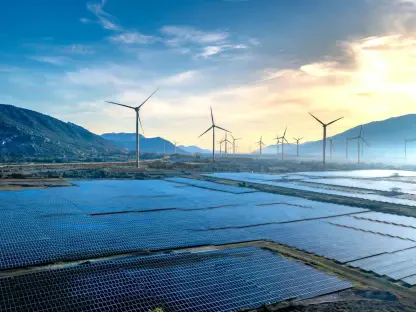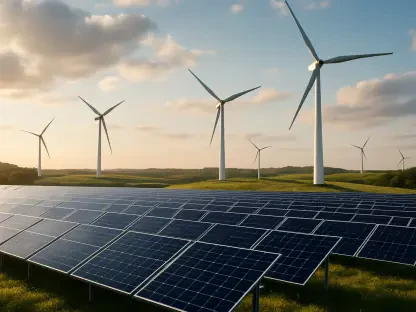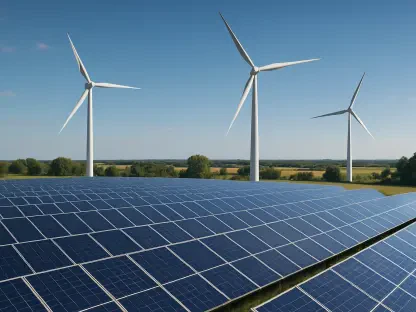
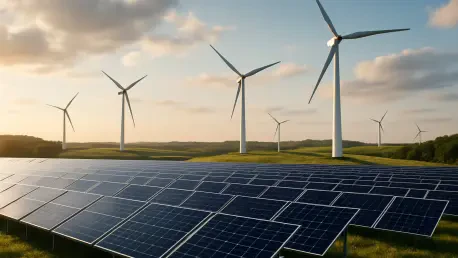
Relying on imported fossil fuels is no longer just about environmental impact. It has become a potential economic risk . Utilities are restructuring operating models, capital allocation, and grid strategy to integrate renewable generation at scale. To reduce reliance on imported fossil fuels,

The traditional relationship between cities and investor-owned utilities is broken. For decades, it was defined by the franchise agreement: a simple, long-term contract granting utilities access to public rights-of-way in exchange for a fee. This model is no longer sufficient. Today, cities are
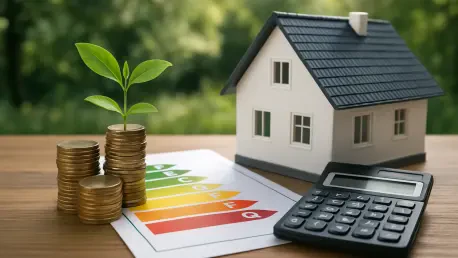
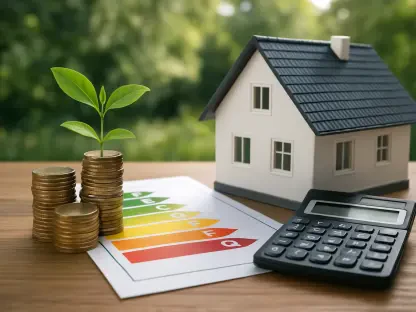
Most buildings operate with a critical blind spot: their energy consumption. Facility managers often rely on monthly utility bills for insight, a practice akin to driving a car using only the rearview mirror. It shows where you have been, not where you are going or how to operate more efficiently.
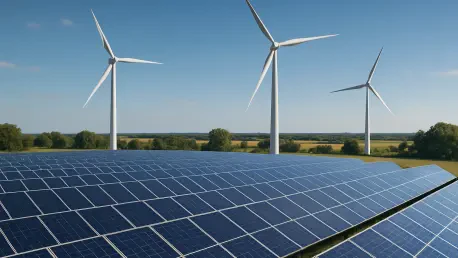
The misconception of “free” or disposable renewable energy has emerged as a critical challenge in modern energy management. Utilities once assumed that surplus generation from wind and solar sources was sufficiently low-cost to make storage optimization unnecessary. Current market dynamics,
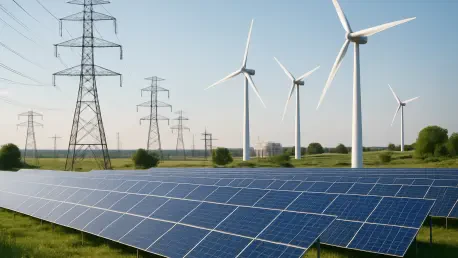
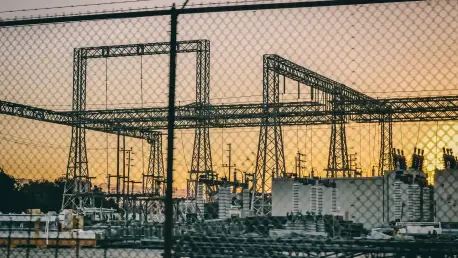
For more than a century, the American electric grid has been built on a deceptively simple premise: generate electricity at large, centralized power plants and send it across long transmission lines to communities and factories. This model, often referred to as the “ centralized utility model ,”
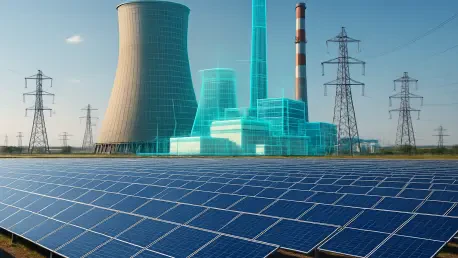
Digital twin technology is changing how utilities oversee their vast networks of assets – from power lines and pipelines to pumps and transformers – by giving them a living digital replica of the field. For decades, utility asset management meant reactive fixes and siloed views: Supervisory Control