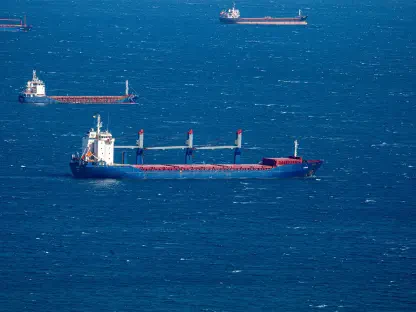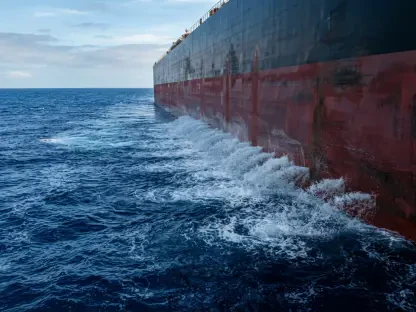
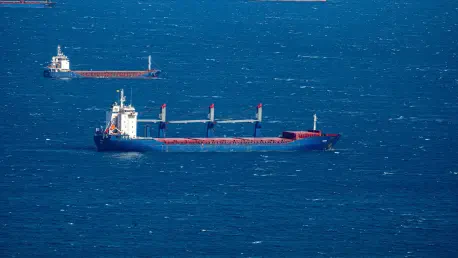
Operational efficiencies like better voyage planning and speed optimization now have a much stronger business case due to the rising costs of carbon emissions. The maritime industry is currently undergoing a fundamental transformation as it integrates into the European Union Emissions Trading
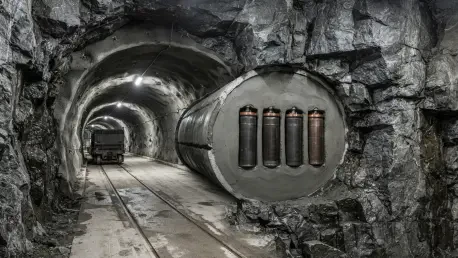
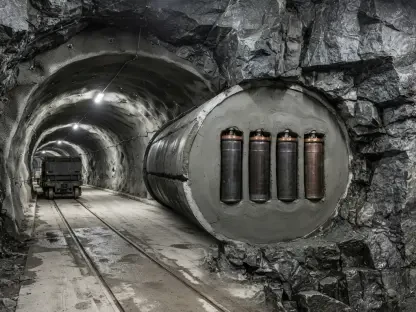
By sealing spent fuel rods into corrosion-resistant copper canisters, Finland has established a permanent solution for the waste generated by the Olkiluoto and Loviisa nuclear power plants. This monumental achievement by Posiva Oy represents the culmination of decades of research, effectively
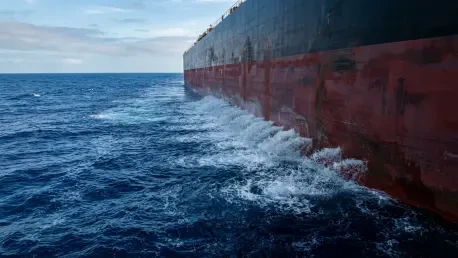
While the International Maritime Organization tracks total fuel consumption, it fails to document the specific technologies and operational drivers behind vessel efficiency gains. This oversight creates a significant visibility gap that prevents the industry from fully realizing its decarbonization

The disconnect between bearish credit pricing and tight physical feedstock supplies suggests that the 2026 biomass-based diesel market is navigating a period of unprecedented regulatory uncertainty. As the midpoint of the final quarter approaches, the industry finds itself at a critical juncture

Toyota’s strategic push for life-cycle carbon accounting reflects a broader skepticism toward a rapid, industry-wide transition to exclusively electric vehicle manufacturing. As global regulators tighten environmental standards, the automotive giant has introduced a pragmatic proposal titled

The removal of IRIS-dependent rules represents a departure from automatic reliance on federal toxicity assessments for calculating the risks of chemical exposure in state waters. This fundamental shift follows the Alabama Environmental Management Commission’s decision to realign state protocols
1 2 3 4 5 6 7 8 9 10 11 12 13 14 15 16 17 18 19 20 21 22 23 24 25 26 27 28 29 30 31 32 33 34 35 36 37 38 39 40 41 42 43 44 45 46 47 48 49 50 51 52 53 54 55 56 57