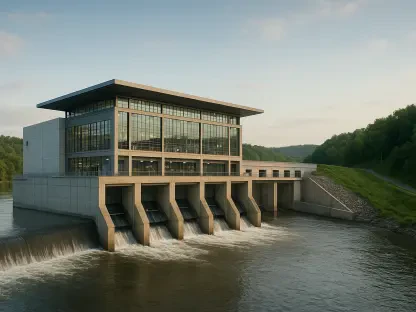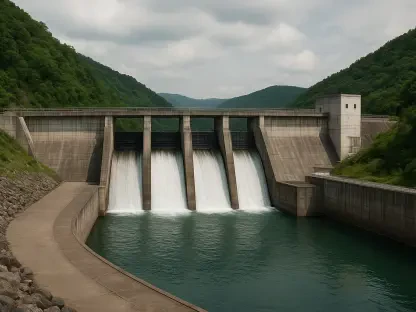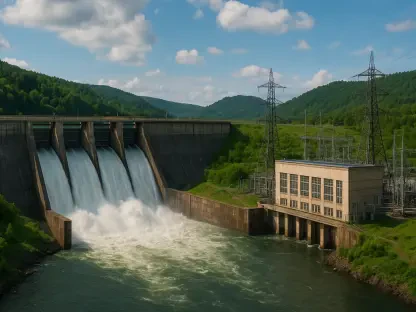
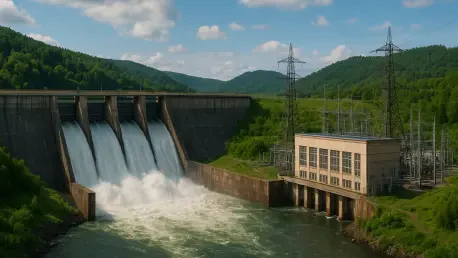
The American power landscape currently relies on a massive, invisible network of flowing water that generates over 80 gigawatts of capacity across more than two thousand active facilities. This sector is undergoing a period of technological optimization and strategic renewal to support a more
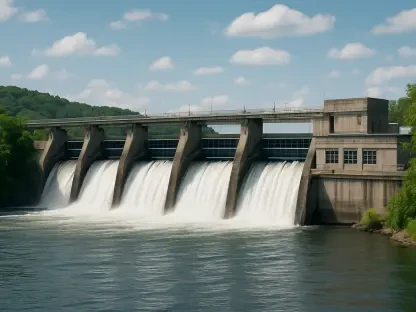
The John Day Dam, situated on the border of Oregon and Washington, generated 7.59 million megawatt-hours in 2025, narrowly eclipsing the total electricity needs of every home and business in Rhode Island. This monumental output is not an isolated incident but rather a testament to the staggering
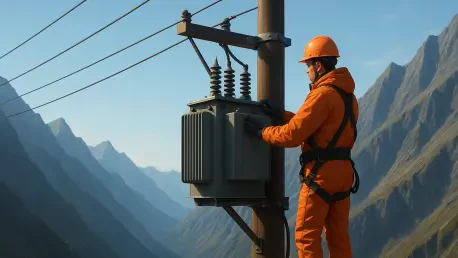
International diplomats and local officials agree that reliable energy serves as the bedrock for community growth and a catalyst for development throughout the Hunza district. The Energy Plus Project represents a landmark collaboration between the European Union, the Aga Khan Foundation, and NPAK
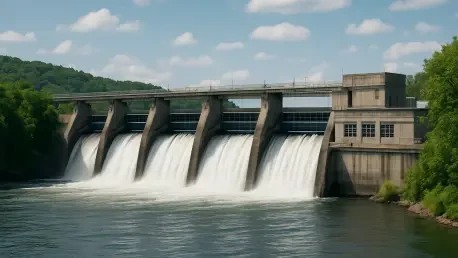
Modernizing America’s Clean Energy Backbone: Legislative Action As the American electrical grid faces an unprecedented surge in demand, the silent workhorses of the renewable energy sector—hundreds of massive hydroelectric dams—are currently entangled in a regulatory web that threatens to stall the
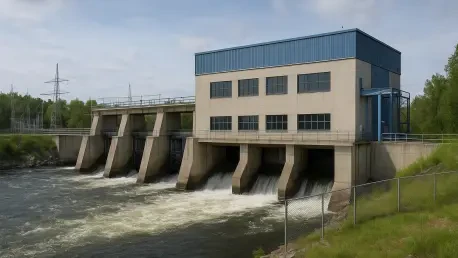
The fundamental stability of the American electrical grid depends heavily on a legacy hydropower infrastructure that currently faces a daunting bureaucratic bottleneck capable of stifling clean energy progress. As the energy sector navigates the complexities of the current year, the Department of
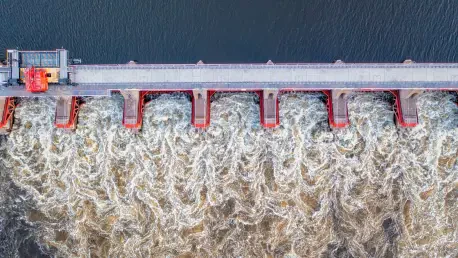
Recent analysis by the National Hydropower Association shows that nearly 5,000 regulatory conditions now govern the operation of domestic hydroelectric facilities. This represents a staggering tenfold increase in mandatory conditions since 1980, creating an administrative landscape that many
1 2 3 4 5 6 7 8 9 10 11 12 13 14 15 16 17 18 19 20 21 22 23 24 25 26 27 28