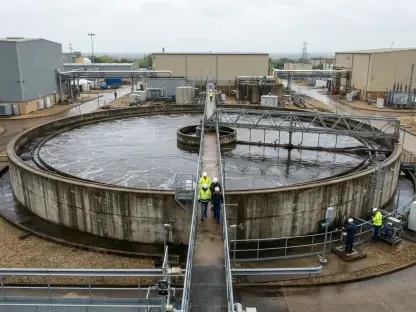
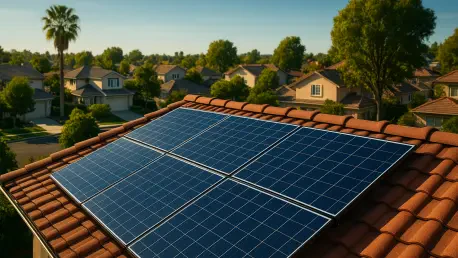
The recent legal confrontations over federal climate funding have ignited a high-stakes tug-of-war between executive intent and legislative obligation, effectively redefining the security of clean energy investments for decades to come. As trillions of dollars flow toward the green transition, the
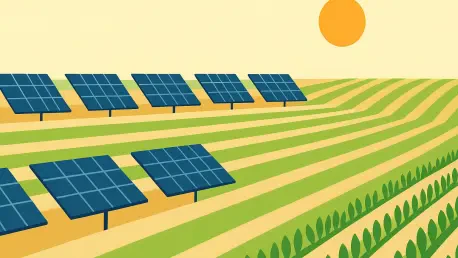
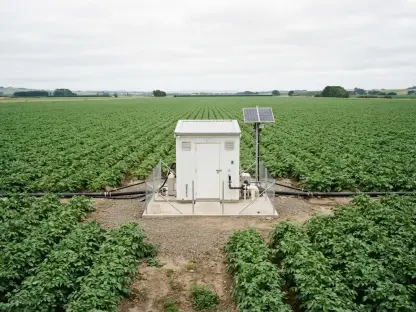
Traditional monoculture models are proving increasingly difficult to maintain for independent producers who do not have the financial cushion of large-scale corporate farming operations. This fiscal instability has pushed American agriculture into a transformative era where the boundaries between

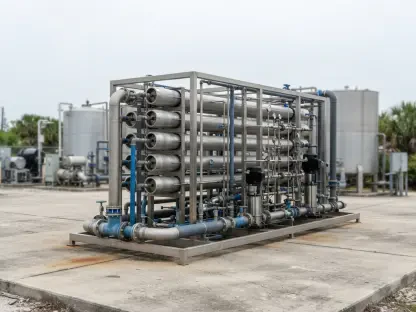
Securing a competitive edge in the modern global market now depends on a company’s ability to provide verified sustainability disclosures to international stakeholders. As the Philippines solidifies its position as a major exporter of both goods and services, the pressure to align with global
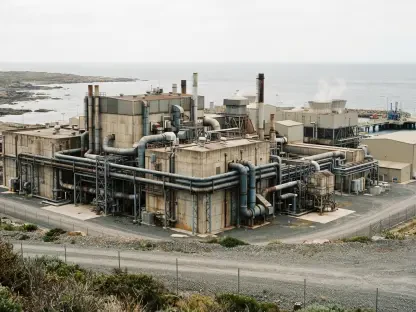
Infrastructure planning for utility providers has been thrown into chaos as shifting legal requirements make long-term investments in clean technology uncertain. The federal government has finalized a comprehensive repeal of the 2024 environmental standards, which previously required coal and
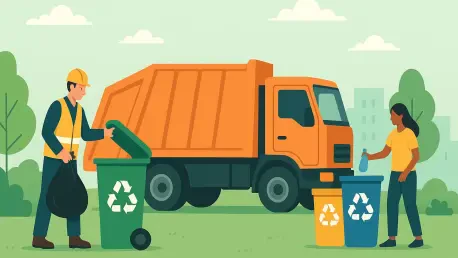
City officials have determined that bylaw officers cannot effectively manage illegal dumping when only seven charges were successfully laid throughout the entirety of 2026. This stark realization has prompted the Owen Sound City Council to overhaul its existing waste management strategies in favor
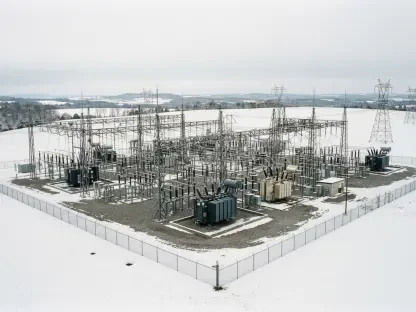
The new federal energy agenda prioritizes grid resilience and affordability over the previous administration's goal of eliminating fossil fuel-based electricity generation. This fundamental pivot marks a definitive end to the Clean Power Plan 2.0, a regulatory framework that many industry leaders