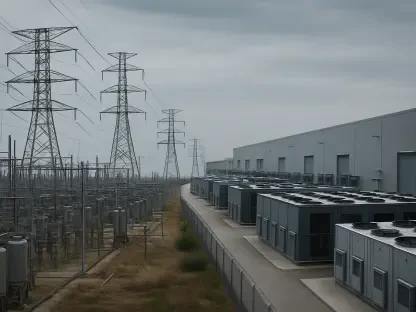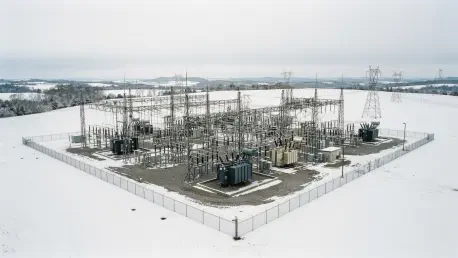

As the humming glow of thousands of servers begins to define the new industrial skyline of the Midwest, Minnesota’s energy grid is being pushed to a critical breaking point that threatens the financial stability of every household in the state. This technological expansion is occurring at the same time as a mandatory shift toward a 100% carbon-free electrical system, creating a set of pressures that the state has never navigated before. To protect the public interest, regulators are now forced to mediate between the immense capital requirements of utility companies and the shrinking disposable income of the average resident. The success of this transition depends entirely on whether the state can modernize its infrastructure without making the cost of basic electricity a luxury that few can comfortably afford.
The “Foul Mix” of Modern Utility Regulation
Minnesota currently faces a “foul mix” of economic strain and systemic change, where the urgent need for a 100% carbon-free grid is colliding directly with the financial limits of the average household. As aging power plants retire and massive transmission projects break ground in 2026, the price of progress is becoming a central point of contention in public hearings. How can a state mandate an aggressive energy revolution while ensuring that the monthly utility bill remains within reach for its citizens? This tension is defining the current era of the Minnesota Public Utilities Commission (PUC) as it navigates a landscape where environmental goals and economic reality are at a constant standoff.
The financial burden of this evolution is not distributed evenly, and the sheer volume of new construction projects is requiring a rethink of how rates are structured. Utility companies are tasked with replacing stable fossil fuel baseloads with intermittent renewable sources, which necessitates expensive storage and transmission upgrades. While the long-term goal of a cleaner environment is widely supported, the immediate capital intensity of these projects is creating a “rate shock” that many families find difficult to absorb. Regulators are now tasked with ensuring that utilities do not overreach in their spending while still meeting the aggressive decarbonization timelines set by state law.
Why the Affordability Gap Matters in a Decarbonizing Economy
The transition to a cleaner energy grid is not merely a technical challenge; it is a social and political one that hinges on public trust. In Minnesota, the implementation of aggressive clean energy mandates requires massive capital investment at a time when many residents are already feeling the squeeze of inflation. If the public perceives that the “green transition” is being funded on the backs of the vulnerable, the resulting skepticism could stall essential infrastructure projects for decades. Understanding this balance is critical because the success of the state’s energy architecture depends on maintaining a “just and reasonable” cost structure that protects the ratepayer while incentivizing utility innovation.
If affordability is neglected, the political will to maintain carbon-free targets could evaporate as energy poverty becomes a more visible issue. Regulatory bodies must therefore look beyond the simple math of utility profit margins and consider the broader socioeconomic health of the community. This involves a more nuanced approach to ratemaking that prioritizes equity alongside environmental impact. By focusing on the affordability gap, the commission can build a coalition of support for clean energy that includes low-income households rather than alienating them through escalating monthly costs.
The Triad of Modern Grid Challenges: Infrastructure, Policy, and Demand
To understand the current regulatory environment, one must look at the three distinct pillars driving change in the North Star State. Utilities are currently caught in a cycle of frequent rate filings to fund capital-heavy projects, leading some regulators to suggest a “breather” strategy. Joseph Sullivan, Vice Chair of the PUC, urges utilities to find creative ways to manage their financial needs without constantly reverting to rate hikes. By keeping increases below the rate of inflation and prioritizing fuel-free resources—which lack the volatility of traditional fuel clauses—utilities can help stabilize long-term bills and rebuild social license with their customers.
A significant hurdle in regulation is the statutory separation between affordability and a utility’s Return on Equity (ROE). Under current law, the PUC must ensure a fair return for utilities based on the prudency of their investments, regardless of the broader economic climate. This creates a systemic gap where the commission is legally prohibited from lowering returns just because consumers are struggling, forcing regulators to rely on secondary programs like weatherization and demand-side management to bridge the affordability gap. Balancing these legal requirements with human needs is one of the most complex tasks facing the commission this year.
The rapid expansion of data centers represents a seismic shift in energy demand that complicates this entire triad. These facilities require immense amounts of power, leading to concerns that residential ratepayers might end up subsidizing the infrastructure needed to serve Big Tech. The regulatory consensus is shifting toward a “pay your way” model, where these high-demand users are expected to contribute to state weatherization funds and cover both their incremental and embedded system costs. This ensures that the arrival of massive industrial loads does not become a financial burden on local communities or individual households.
Expert Perspectives on Trust and Regional Complexity
The erosion of faith in public institutions has turned routine regulatory dockets into battlegrounds, highlighting a dire need for more than just transparency. Vice Chair Sullivan notes that simply disclosing data is no longer enough to satisfy an anxious public. There is a profound need for “contextual knowledge”—educating the public on why specific transmission lines are necessary and how they fit into the larger puzzle of grid reliability. Without this education, large projects are often met with community-wide anxiety and legislative pushback, such as the growing movement toward moratoriums on data centers that gained traction in early 2026.
On a regional level, the Midcontinent Independent System Operator (MISO) plays a crucial role in managing the grid, yet its complex cost-allocation frameworks remain a point of concern. Regulators are pushing for simpler, more transparent processes to ensure that regional transmission costs align with state laws. The goal is to create a regional framework that shields local ratepayers from unfair costs while still facilitating the massive transmission projects needed for a carbon-free future. Navigating the MISO maze requires constant vigilance from state regulators to ensure Minnesota’s specific goals are not undermined by regional bureaucratic complexities.
Strategic Frameworks for a Sustainable Energy Future
To maintain the stability of the grid and the pockets of the people, regulators and utilities must adopt a multipronged strategy focused on efficiency and equitable cost distribution. Energy efficiency remains the most cost-effective way to keep rates low, and in Minnesota, demand-side management programs have successfully reduced the required size of the energy system by roughly 20%. By removing millions of megawatt hours from the system, the state avoided the need for expensive new power plants and transmission lines, providing a universal benefit that lowered costs for everyone. These programs must be expanded to include more localized solutions and smarter grid technologies that empower consumers to control their own usage.
A clear framework for cost allocation was enforced to protect residents from the energy demands of large industrial players. This model required data centers to contribute directly to state weatherization and low-income assistance funds, ensuring their presence generated social value beyond simple tax revenue. Regional grid operators were encouraged to assign the costs of new capacity directly to the entities driving that demand, shifting the model from one of broad expansion to one of targeted investment. The commission prioritized these “pay your way” strategies to ensure that the industrial growth seen from 2026 to 2028 did not degrade the quality of life for long-standing residents.
The path forward integrated the technical requirements of the grid with a renewed commitment to consumer protection. Regulators established more robust oversight of utility capital spending, urging a shift toward stabilizing existing assets rather than constant rate base expansion. Strategic investments in fuel-free resources were prioritized to eliminate the unpredictability of global energy markets. By aligning industrial demand with community benefits and doubling down on efficiency, the state successfully mitigated the risks of the transition. These actions ensured that the pursuit of a carbon-free future remained a sustainable endeavor for both the environment and the economy.