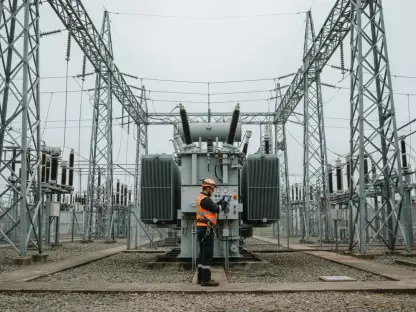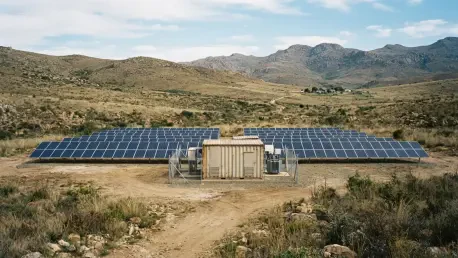

The deployment of localized microgrids offers a practical solution for remote South African game reserves and clinics where traditional power line expansion is too costly. The successful maintenance of a stable energy supply for an entire year without load shedding has provided necessary breathing room for infrastructure overhauls. During the recent AFASA Limpopo annual general meeting, representatives outlined a pivot toward a more resilient and modern energy ecosystem that specifically targets the agricultural heartlands. By integrating sophisticated local power systems, the utility aims to bridge the gap between urban stability and rural energy security. This strategy represents a significant departure from centralized management, favoring instead a model that accommodates the diverse needs of farmers who operate far from traditional grid centers. As the country moves deeper into 2026, the focus has shifted from mere survival to the long-term optimization of electricity delivery through sustainable technology.
Advancing Rural Connectivity through Microgrids
Decentralized Power: The Rise of Microgrids
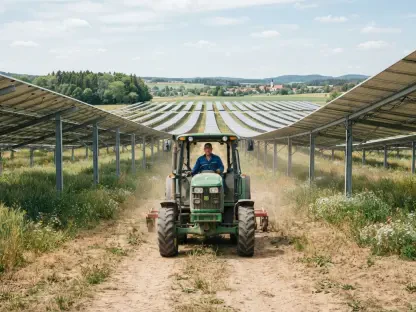
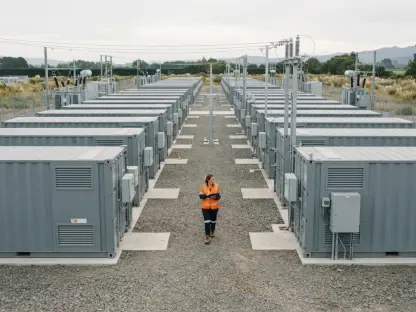
The implementation of microgrids serves as the first major pillar of this rural electrification strategy, offering an independent alternative to the national high-voltage network. These localized systems typically utilize a combination of solar photovoltaic panels and high-capacity battery storage to generate and manage electricity within a specific geographic area. For farmers in Limpopo, this technology provides a buffer against the logistical challenges of extending traditional transmission lines over vast, rugged terrain. The cost of running hundreds of miles of copper cabling is often prohibitive, making the modular nature of solar-powered microgrids an economically superior choice for modern agriculture. These systems can be deployed rapidly to provide a constant source of energy for irrigation pumps, cold storage facilities, and livestock management operations. By isolating these grids from the primary network, the utility can also minimize the ripple effects of localized faults or maintenance work that might otherwise disrupt a larger region.
Practical Applications: Successes in the Field
Practical applications of this technology have already yielded impressive results in areas like KwaMputulwane, where a dedicated microgrid now sustains an entire community and its essential services. This model demonstrates that remote villages and agricultural holdings no longer need to wait for massive infrastructure projects to experience reliable power. The success of these pilot programs has paved the way for a broader rollout scheduled from 2026 to 2028, targeting various game reserves and rural clinics that have historically struggled with intermittent supply. These microgrids are not just stopgap measures but permanent fixtures in a modernized energy landscape that values decentralized resilience over centralized vulnerability. As these units become more integrated, they allow for precise management of load distributions, ensuring that heavy agricultural demand does not compromise residential stability. The focus now rests on scaling these installations to cover the most isolated parts of the province, fostering economic growth.
Digital Transformation and Security Synergies
Smart Metering: Bridging the Efficiency Gap
The physical expansion of the grid was accompanied by a digital transformation centered on the comprehensive Smart Meter Rollout Project, which aimed for a massive overhaul of consumer tracking. The utility set an ambitious target to replace approximately 7.2 million traditional electricity meters with advanced digital units by March 2029. These smart meters provide near real-time insights into energy consumption patterns, allowing both the utility and the consumer to see exactly where and when power is being used. This level of transparency was designed to eliminate billing discrepancies that long plagued rural customers and agricultural enterprises. Furthermore, the digital nature of these meters enables faster resolution of service queries, as many issues can be diagnosed and addressed remotely without an on-site technician. From a management perspective, this technology was a vital weapon in the “StopGhostVending” campaign, which sought to eradicate illegal electricity sales and restore financial integrity to the distribution network.
Collective Responsibility: Security and Access
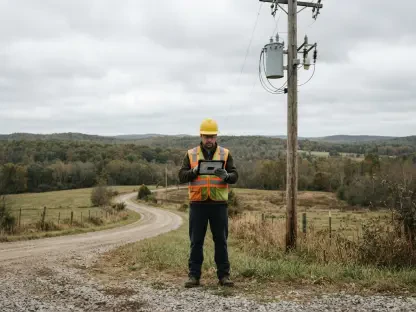
The successful integration of these technologies required a renewed sense of cooperation between the utility and the agricultural community to protect new infrastructure from theft and vandalism. Stakeholders recognized that farmers and community leaders had to take an active role in reporting suspicious activities around microgrid installations and smart meter points to ensure long-term viability. It was essential for all parties to foster a culture of shared responsibility, where the security of the local grid was viewed as a collective priority rather than an external obligation. Effective engagement meant that residents facilitated access for technicians during meter installations, ensuring that no household was left behind in the modernization process. Providing education on the benefits of digital billing and localized generation helped to demystify the new systems and encouraged more widespread adoption among previously hesitant groups. Ultimately, the transition to a smarter energy network rested on these partnerships.