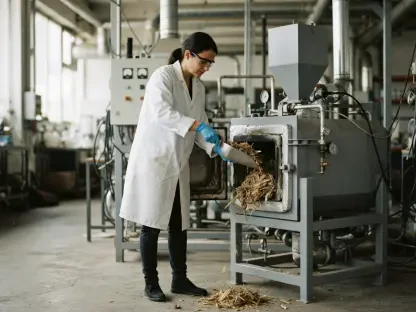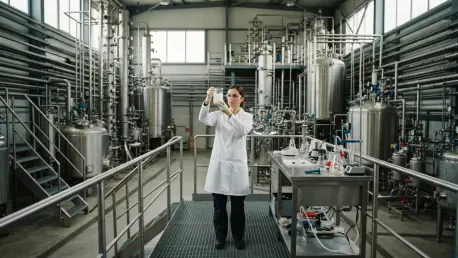

The sheer volume of organic waste generated by global agriculture has long presented a paradox: it is an untapped goldmine of energy trapped within a nearly impenetrable biological fortress. While the planet produces approximately 181.5 billion metric tons of lignocellulosic biomass every single year, current industrial systems manage to process only about 8.2 million metric tons, leaving a staggering surplus to rot in landfills or be incinerated in open fields. Recent breakthroughs in green synthesis allow researchers to use citrus peels and agricultural extracts as reducing agents to create stabilized nanomaterials without relying on toxic chemicals. This technological pivot is not merely a laboratory curiosity; it is the cornerstone of a new industrial paradigm. By integrating precisely engineered nanomaterials into biorefinery workflows, modern facilities are now achieving forty percent faster enzymatic hydrolysis and thirty percent higher biofuel yields than were possible just a few years ago. This synthesis of biology and nanotechnology addresses the inherent recalcitrance of plant matter—the evolutionary armor that has historically made second-generation biofuels too expensive for mass adoption—and provides a scalable blueprint for a truly circular bioeconomy that operates within planetary boundaries. The integration of these materials represents a shift from destructive waste management toward a sophisticated, high-tech manufacturing cycle.
Engineering Green Solutions: The Nanotechnology Frontier
Transforming Biomass: The Rise of Functional Nanotools
The process of creating nanomaterials has traditionally been an energy-intensive endeavor that relies on hazardous solvents and harsh reducing agents, which often counteracts the environmental benefits of the resulting technology. However, the shift toward green synthesis is fundamentally changing this equation by utilizing the natural chemical properties of agricultural byproducts. For instance, researchers have successfully used citrus peel extracts to synthesize crystalline aluminum oxide nanoparticles at relatively low temperatures of eighty degrees Celsius. These extracts contain high concentrations of bioactive compounds like limonene and various polyphenols that act as natural reducing agents, effectively replacing toxic chemicals like sodium borohydride. This approach not only lowers the carbon footprint of nanoparticle production but also ensures that the resulting materials are inherently biocompatible. These biomass-derived nanoparticles are proving to be exceptionally versatile, exhibiting potent antioxidant and antibacterial properties that make them suitable for a wide range of industrial and medical applications, from shelf-life extension in food packaging to targeted drug delivery systems.
Expanding on this “waste-to-tool” paradigm, different types of agricultural residues are being repurposed as sophisticated templates for advanced materials. Rice straw, once burned in fields to the detriment of air quality, now serves as a biotemplate for creating titanium dioxide nanoparticles as small as thirteen nanometers. These tiny structures are highly effective in water purification and the degradation of industrial dyes, turning agricultural waste into a solution for aquatic pollution. Similarly, orange peel residues are being converted into carbon-based nanoparticles through thermal treatment and ultrasonication, which, when modified with chitosan, display remarkable stability in medical applications. Even floral waste from the horticultural industry, such as discarded rose petals, is being used to produce fluorescent near-infrared nanoparticles for bioimaging. This circularity demonstrates that the very residues that once posed a management challenge are now the foundational components of the next generation of environmental and medical technology, effectively closing the loop between agricultural production and high-tech industrial manufacturing.
Overcoming Barriers: Efficiency in Biofuel Production
Second-generation (2G) biofuels, derived from non-food sources like straw, husks, and timber waste, represent a critical component of the transition away from fossil fuels, yet their production has long been hampered by the structural complexity of plant matter. Lignocellulosic biomass is composed of a rigid matrix of cellulose, hemicellulose, and lignin that evolved specifically to resist biological degradation. Conventional chemical pretreatments used to break down this matrix are often overly aggressive, creating inhibitory compounds such as furfural and acetic acid that effectively poison the yeast and bacteria required for fermentation. Nanotechnology offers a precision solution to this “recalcitrance” problem by introducing catalysts that can navigate the molecular landscape of the plant cell wall. By using sulfonated metal catalysts anchored to magnetic cores, biorefineries can now specifically target the bonds within the cellulose structure without destroying the resulting sugars. This selective catalysis minimizes the formation of inhibitors, ensuring that the subsequent fermentation process remains efficient and cost-effective for large-scale energy production.
The economic viability of 2G biofuels has also been significantly bolstered by the development of magnetic enzyme recovery systems. Enzymes are one of the most significant costs in the biorefining process, as they are traditionally lost or inactivated after a single use. However, by anchoring these enzymes onto magnetic nanoparticles coated with chitosan, researchers have developed a method to keep them stable even at high industrial temperatures. Once the reaction is complete, these magnetic “nanocarriers” can be easily retrieved from the mixture using a simple external magnet and reused for multiple production cycles. This innovation has been shown to reduce the overall enzyme cost by nearly half while maintaining high conversion rates. Furthermore, the direct addition of triiron tetroxide nanoparticles into the digestion mixture has been proven to accelerate the sugar release process by forty percent. These advancements are transforming 2G biofuels from a subsidized niche product into a competitive alternative to petroleum-based fuels, paving the way for a more resilient and sustainable global energy infrastructure.
Global Economic Impact: From Research Laboratories to Commercial Markets and Their Influence on International Trade
Tracking Investment: International Growth and Scale-Up
The transition from laboratory success to industrial-scale reality is currently supported by a wave of massive international investments that reflect a global consensus on the necessity of the bioeconomy. In India, public sector oil companies have committed $1.68 billion toward the construction of twelve second-generation biorefineries, signaling a strategic shift toward domestic, renewable energy sources. This investment is not an isolated trend; Brazil has also emerged as a leader in this space, with major players like Raizen and GranBio spearheading large-scale operations. Raizen’s facility, which required an investment of 1.2 billion Brazilian reais, utilizes advanced steam explosion technology to produce 82 million liters of 2G ethanol annually. These projects demonstrate that the technological hurdles of the past are being overcome by a combination of nanotechnology innovation and robust capital commitment. The scale of these operations is essential for driving down the unit cost of cellulosic ethanol and making it a viable competitor to traditional gasoline on the global market.
The global nature of this movement is further evidenced by the active export of cellulosic ethanol from China to the European market. Companies like EcoCeres, operating out of Hebei Province, are already meeting international demand for low-carbon fuels, highlighting the maturity of the technology in East Asia. Meanwhile, the United States has focused on strengthening its domestic supply chain through the federal Biorefinery Assistance Program, which has allocated $250 million to support the development of advanced biofuels and bio-based products. These financial mechanisms are designed to mitigate the risks associated with scaling up complex technologies and to encourage the construction of decentralized refineries that can process regional agricultural waste. By supporting these ventures, governments and private investors are creating a new economic sector that reduces reliance on volatile global oil markets while simultaneously addressing the environmental hazards of agricultural waste mismanagement. This coordinated international effort ensures that the benefits of the lignocellulosic bioeconomy are realized across both developed and emerging economies.
High-Value Chemicals: Moving Beyond Traditional Fuels
A truly sustainable biorefinery must produce more than just fuel to be economically resilient; it must also generate high-value platform chemicals that serve as the building blocks for other industries. Xylitol is a prime example of a chemical that is being transformed by the integration of nanotechnology and biotechnology. Traditionally, xylitol—a sugar substitute essential for the diabetic food and dental care industries—is produced through high-pressure chemical reduction using toxic nickel catalysts. This legacy process is not only energy-intensive but also generates hazardous waste that requires expensive treatment. In contrast, the modern biorefinery approach utilizes specific yeasts and nanocatalysts to synthesize xylitol from corncobs and sugarcane bagasse at room temperature. This biological route avoids the use of heavy metals and yields a significantly purer product. By valorizing these agricultural residues into a product with a high market value, biorefineries can diversify their revenue streams and improve their overall economic stability.
This move toward “green chemistry” is setting a blueprint for the production of a wide array of other platform chemicals, such as succinic acid and lactic acid, which are used in the production of biodegradable plastics. The use of specialized nanocatalysts allows for higher selectivity in chemical reactions, meaning that more of the raw material is converted into the desired product with fewer unwanted byproducts. This efficiency is critical for competing with petroleum-derived chemicals, which have benefited from decades of industrial optimization. As these nano-enabled biological processes continue to mature, they are enabling a shift away from the traditional petrochemical model toward a decentralized system where local biomass is the primary feedstock for the chemical industry. This transition not only lowers the carbon footprint of chemical manufacturing but also creates new opportunities for rural areas to participate in the high-tech industrial economy. The ability to produce both energy and essential chemicals from the same waste stream is the ultimate goal of the circular bioeconomy.
Closing the Loop: The Circular Agricultural Model
Nanofertilizers: Reclaiming Nutrients for Sustainable Soil
The circular bioeconomy is not complete until the nutrients extracted from the earth are returned to the soil in a form that supports future crop cycles. Lignocellulosic residues, which were historically discarded, are now being transformed into “nanofertilizers” that offer a more efficient alternative to conventional synthetic fertilizers. Standard fertilizers are often highly soluble, which leads to a significant portion of the nitrogen and phosphorus being washed away into groundwater before plants can even absorb them. This not only wastes resources but also causes severe environmental issues, such as toxic algal blooms in nearby waterways. In contrast, nanofertilizers derived from ball-milled date palm pits or coconut coir lignin provide a controlled-release mechanism. These particles release nutrients slowly over time, matching the natural growth cycle of plants and ensuring that the majority of the fertilizer is actually utilized. This precision agriculture approach minimizes waste and reduces the environmental impact of large-scale farming operations.
Beyond nutrient delivery, biomass-derived nanofertilizers also play a critical role in improving soil structure and water management. Biochar-based nanofertilizers have been shown to improve soil water retention by up to 5.6 times, providing a vital advantage in regions facing worsening drought conditions. These materials act like sponges at the molecular level, holding onto moisture and nutrients that would otherwise be lost. Furthermore, targeted nutrition through biomass-derived particles, such as nano-hydroxyapatite, has been shown to increase phosphorus accumulation in crops like soybeans by up to thirty-six percent. This improvement specifically enhances fruit quality and the overall health of the plant. By returning these highly engineered residues to the field, farmers can maintain soil fertility and productivity without relying heavily on energy-intensive synthetic chemicals. This “closing of the loop” ensures that agriculture remains a sustainable and self-renewing system capable of feeding a growing global population without depleting the planet’s natural resources.
Advanced Biomaterials: Developing Plant-Based Alternatives
Nanotechnology enables the extraction of structural components from plants to create advanced materials that are beginning to rival the performance of plastics and even metals. Nanocellulose, isolated through high-intensity ultrasonication, is one of the most promising materials in this category. Despite being derived from simple wood or straw, nanocellulose possesses a tensile strength higher than structural steel while remaining incredibly lightweight. This extraordinary strength-to-weight ratio makes it an ideal candidate for various applications, ranging from aerospace components to high-performance automotive parts. In the packaging industry, nanocellulose is used to create edible films that are not only stronger than traditional plastic wraps but also provide a superior barrier against oxygen and moisture. These plant-based films offer a viable path toward reducing the world’s dependence on petroleum-based plastics and mitigating the growing crisis of plastic pollution in the oceans.
Similarly, nanolignin is proving to be a revolutionary material in the field of food preservation and hygiene, as it retains the natural antioxidant and antimicrobial properties that plants use to defend themselves in the wild when extracted through ball milling. When incorporated into biopolymer films at concentrations as low as 1.5 percent, nanolignin has been shown to extend the shelf life of fresh meat from just six days to a remarkable eighteen days. This dramatic increase in longevity has massive implications for reducing global food waste, which is currently a major contributor to greenhouse gas emissions. These advanced biomaterials represent a shift away from a “disposable” culture toward a model where the materials we use are as sophisticated as they are sustainable. By leveraging the inherent properties of plant polymers at the nanoscale, researchers are creating a new class of functional materials that are fully biodegradable and sourced from renewable residues, ensuring that the products of the bioeconomy do not leave a lasting negative impact on the environment.
Managing Risks: Ensuring a Safe Biobased Future
Toxicological Challenges: Addressing Environmental Safety
While the benefits of the nano-enabled bioeconomy are vast, scientific objectivity requires a careful examination of the potential risks associated with the widespread use of engineered nanomaterials. The very properties that make nanoparticles so effective—their extremely small size and high surface reactivity—also make them potentially hazardous if they are released into the environment in an uncontrolled manner. Studies have shown that certain nanoparticles, such as silver or zinc oxide, can cause metabolic disruption in vital soil organisms like earthworms, which are essential for maintaining soil health and aeration. There is also concern regarding the bioaccumulation of these materials through the food chain, which could eventually impact human health. Understanding the long-term ecological consequences of nanoparticle exposure is a critical priority for researchers, as the goal of the bioeconomy is to solve environmental problems rather than create new ones through technological oversight.
In addition to the risks posed by the nanoparticles themselves, the processes used to produce them must be carefully monitored for toxic byproducts. High-heat industrial processes like gasification, while effective for generating energy and biochar, can sometimes produce materials laden with polycyclic aromatic hydrocarbons (PAHs). These compounds are known to be toxic and can limit the safety of using biochar as a soil amendment if they are present in high concentrations. Furthermore, high concentrations of metal oxide nanoparticles can interfere with how plants absorb essential nutrients like iron, potentially leading to reduced crop yields or altered microbial diversity in the soil. These challenges highlight the importance of “green synthesis” and the need for rigorous testing protocols. The industry must prioritize the development of materials that are not only functional but also safely degradable, ensuring that the technological interventions used to enhance the bioeconomy do not result in persistent environmental contamination or the degradation of natural ecosystems.
Regulatory Standards: Establishing Sustainable Implementations
For the nanotech revolution in the bioeconomy to be truly sustainable, it must be governed by a transparent and rigorous regulatory framework that ensures public safety and environmental integrity. Researchers and industry leaders are increasingly calling for standardized life cycle assessments (LCA) for all new nano-enabled products. These assessments evaluate the environmental impact of a product from raw material extraction to its eventual disposal or recycling, providing a comprehensive picture of its sustainability. Without such standards, it is difficult to accurately compare the benefits of new bio-based materials with traditional alternatives. Establishing these protocols is essential for building public trust and ensuring that the industry operates responsibly. This regulatory oversight must be international in scope, as the bioeconomy relies on a global supply chain of biomass and finished products that must all meet the same high safety and environmental standards.
The establishment of these standards also supports the transition toward a decentralized biorefinery model, which is key to reducing the carbon footprint associated with transporting bulky biomass over long distances. By creating a clear set of rules for the production and use of nanomaterials, governments can encourage the development of local facilities that process regional waste according to global safety benchmarks. This approach not only enhances regional energy security but also supports rural economic development by creating high-tech jobs in agricultural communities. Ultimately, the successful implementation of the lignocellulosic bioeconomy depends on the industry’s ability to balance innovation with caution. By coupling cutting-edge nanotechnological research with a commitment to environmental monitoring and proactive risk management, the global community can ensure that the shift toward a bio-based future is both ecologically sound and economically enduring for generations to come.
Frequently Asked Questions: Understanding the Global Bioeconomy and Its Impact on Sustainability
How does nanotechnology improve biofuel yields? It utilizes precisely engineered nanocatalysts to break down the rigid cell walls of plant matter more efficiently than traditional chemicals. This allows for a more complete extraction of fermentable sugars while preventing the formation of toxic byproducts that would otherwise slow down the fermentation process. Additionally, the use of magnetic nanoparticles allows for the recovery and reuse of expensive enzymes, which significantly lowers the cost of production and makes the entire process more economically viable for commercial-scale operations.
Although the “green synthesis” of nanoparticles is inherently safer than traditional chemical methods because it avoids toxic solvents and reducing agents, its environmental safety still requires careful oversight. The resulting nanoparticles are more biocompatible, but their long-term impact on soil microbes and aquatic ecosystems must be monitored through rigorous life-cycle assessments. 3. Second-generation (2G) biofuels are fuels produced from non-food biomass, such as agricultural residues, husks, and timber waste. Unlike first-generation fuels, they do not compete with food crops for land or resources, making them a more ethical and sustainable choice for meeting the world’s growing energy needs.
Strategic Evolution: Future Directions for the Bioeconomy
The global transition toward a nano-enabled bioeconomy was characterized by a strategic focus on efficiency, circularity, and environmental safety. The industry prioritized the integration of real-time monitoring systems and standardized life-cycle assessments to ensure that every technological advancement remained within ecological limits. Researchers successfully demonstrated that by utilizing the “small” tools of nanotechnology, they could address the “large” challenges of climate change and resource scarcity. This period saw the stabilization of second-generation biorefining as a competitive global industry, which significantly reduced the world’s reliance on fossil fuels. Moving forward, the continued success of this model depended on the maintenance of international cooperation and the proactive management of emerging toxicological risks to ensure that the bio-based future remained a resilient and sustainable reality for all.