
The sight of uncollected refuse piling up against the ancient stone walls of Kathmandu serves as a jarring reminder of the growing tension between urban expansion and environmental preservation. This persistent crisis reached a turning point when the Supreme Court of Nepal issued a landmark directive aimed at transforming the country’s fragmented waste management into a unified national policy. Delivered by Justices Hariprasad Phuyal and Bal Krishna Dhakal, the verdict moves beyond temporary, reactive fixes toward a scientific, long-term framework. The judicial intervention emphasizes that a clean environment is not a luxury but a constitutional right under Article 30. By holding federal and local authorities accountable, the court seeks to end the cycle of neglect that has plagued the Kathmandu Valley for years. This ruling forces a shift in how the state views its administrative duties, mandating that sanitation be treated as a permanent priority rather than an occasional logistical challenge.
Modern Frameworks: Integrating Scientific Processing and Governance
Central to this judicial mandate is the requirement for the Ministry of Federal Affairs and General Administration to draft an Integrated Solid Waste Management Directive alongside a Central Solid Waste Management Coordination Committee. This permanent body is designed to bridge the gap between various levels of government, providing a neutral platform to resolve disputes over landfill locations and technical standards. Historically, waste disposal has been hindered by political maneuvering and a lack of scientific oversight, leading to protests and service interruptions. The new committee includes technical experts to ensure that decisions are based on environmental data rather than political expediency. By centralizing strategic planning while allowing for local execution, this body aims to create a more resilient and responsive waste management network. This structural reform is intended to prevent the administrative gridlock that previously left the streets of the capital buried under refuse.
The directive also introduces the principle of Extended Producer Responsibility to hold the private sector accountable for its environmental footprint while mandating source segregation for all citizens. Companies involved in the production of non-degradable materials, such as plastic packaging and beverage containers, are now legally required to manage a specific percentage of their post-consumer waste. This shift moves the financial and logistical burden of disposal from the taxpayer to the manufacturers who profit from these materials. By forcing companies to design products with their entire lifecycle in mind, the ruling encourages the use of sustainable packaging and the development of private collection networks. This regulatory approach aligns Nepal with international environmental standards and ensures that the private sector plays an active role in national sanitation. Integrating corporate responsibility with household-level segregation is expected to yield significant improvements in the reduction of plastic pollution across the country.
Sustainable Progress: Upgrading Infrastructure and Civic Cooperation
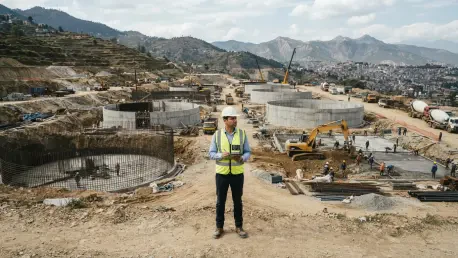
A major focus of the court’s intervention is the physical improvement of the Bancharedanda Sanitary Landfill Site, which has been a flashpoint for social unrest and environmental degradation. The federal government is now under strict orders to upgrade the facility’s capabilities, particularly regarding the treatment of toxic leachate that threatens local water sources. Beyond technical fixes, the court emphasized the importance of honoring social contracts with the residents living near disposal sites. Past failures to deliver on promises regarding health services and land compensation have led to significant local opposition that frequently halts waste collection services. The ruling directs officials to address these grievances directly, ensuring that local communities are treated as essential stakeholders. Providing adequate compensation and investing in local infrastructure creates a sense of shared benefit, making communities more willing to host necessary sanitation facilities. This holistic approach recognizes that success depends on social harmony as much as engineering.
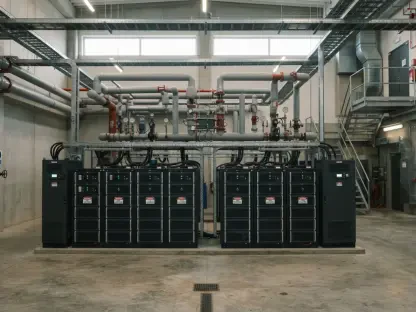
To achieve long-term sustainability, the directive promoted public-private partnerships to attract investment into waste-to-energy technologies while mandating extensive public awareness campaigns. These partnerships allow the government to leverage private sector capital to build facilities that convert trash into electricity or fuel, providing a pathway for scaling up successful sanitation solutions. The court concluded that while structural changes were vital, the ultimate success of waste management hinged on the active cooperation of the general public. Actionable next steps included the establishment of neighborhood-level monitoring committees and the introduction of tax incentives for households that consistently followed segregation protocols. The judicial mandate served as a catalyst for a cleaner future, requiring sustained effort from all sectors to move away from primitive dumping toward a modern, resource-based economy that prioritized environmental health over administrative convenience.