
When a utility program lacks operational consistency, even a single mismatched message between a contractor and a representative can instantly erode a customer’s trust. This fundamental breakdown is particularly damaging in underserved neighborhoods where the energy burden is high and residents are naturally wary of large institutions. For many, the transition to clean energy is not just a financial decision but a matter of security and home integrity. When a program is perceived as disorganized or evasive, the psychological barrier to participation becomes insurmountable. This phenomenon is often observed when residents are offered “free” services; the immediate reaction is to look for a catch or a hidden liability. To combat this, utilities must recognize that trust is a fragile asset that must be built through every touchpoint. In 2026, the success of decarbonization efforts depends less on the efficiency of the technology itself and more on the quality of the human connection established before the technician arrives.
Establishing Credibility Through Localized Partnerships
Why Are Community-Based Organizations Essential Partners?
One of the most effective ways to build rapport is to collaborate with organizations that have already spent years establishing roots within a neighborhood. Community-based organizations (CBOs) and local non-profits possess the “boots-on-the-ground” familiarity that large utility corporations often lack. These groups understand the specific cultural nuances and historical grievances that may influence how a household views external services. Rather than using these groups as mere marketing tools, utilities should treat them as full program partners, ensuring they are fairly compensated and not overburdened by administrative red tape. By integrating CBOs into the design phase, providers can tailor their messaging to address local concerns directly, transforming an impersonal corporate initiative into a community-led movement that feels both safe and beneficial for residents.
Localized trust is not a commodity that can be purchased through advertising; it must be earned through consistent presence and shared goals. Utilities that have successfully reached priority communities in 2026 have done so by empowering local leaders to act as the primary face of the program. This strategy mitigates the “outsider” perception that often plagues large-scale infrastructure projects. When a neighbor or a respected local leader vouches for an energy program, the perceived risk drops significantly. Furthermore, providing CBOs with the resources to hire from within the community creates a virtuous cycle of economic development. This approach ensures that the financial benefits of the clean energy transition, from job creation to lower utility bills, stay within the neighborhoods that need them most, thereby reinforcing a long-term relationship built on mutual prosperity and tangible results.
Cultivating Legitimacy Through Radical Transparency
Transparency acts as a form of respect, helping to mitigate the skepticism surrounding subsidized upgrades. Utilities must adhere to a strict “no surprises” rule by providing clear, straightforward answers regarding eligibility, data collection, and who will be entering the customer’s home. Using accessible language instead of technical jargon lowers the perceived risk for the household and prevents the feeling of being coerced into a complex legal agreement. When every step of the process is explained clearly from the start, the customer feels empowered to make an informed decision. This clarity should extend to the disclosure of how personal data is used and protected, as privacy concerns are often a major deterrent for households that have historically been targeted by predatory financial practices or excessive surveillance.
Establishing legitimacy also requires utilities to be upfront about the limitations and requirements of their programs. If a weatherization project requires a resident to move furniture or provide specific documentation, these details should be communicated early and often. Radical transparency means acknowledging that while the service may be subsidized, it still requires a level of cooperation and time from the homeowner. By setting realistic expectations, utilities avoid the pitfalls of over-promising and under-delivering, which is the fastest way to destroy a hard-won reputation. Providing a dedicated point of contact who can answer questions in the resident’s primary language further demonstrates a commitment to accessibility. This level of honesty builds a foundation of reliability, ensuring that the household feels like a respected partner in the energy transition rather than a mere data point in a utility’s compliance report.
Ensuring Seamless Delivery and Technical Education
How Can Utilities Maintain Consistent Messaging?
Trust is easily eroded during the “handoff” between different entities, such as when a customer moves from speaking with a non-profit representative to a third-party contractor. Because customers perceive every interaction as part of a single experience, utilities must enforce rigorous communication standards across their entire ecosystem of partners. Implementing pre-arrival validation—such as sending co-branded flyers or emails from the utility before a field team arrives—ensures that residents can verify legitimate representatives. This operational consistency is vital for making customers feel safe and confident throughout the program’s lifecycle. Training contractors not just in technical installation but also in soft skills and empathy ensures that the final physical interaction at the home reinforces the positive messaging established during the initial outreach phase.
The synchronization of data and communication channels is the backbone of a successful energy program in 2026. When a customer calls a support line and finds that the representative has no record of the contractor’s visit, the illusion of a unified program shatters. To prevent this, utilities have invested in integrated project management platforms that provide real-time updates to all stakeholders. This technological alignment allows for a seamless transition between stages, where the customer feels supported by a coherent team rather than a fragmented group of vendors. Furthermore, consistent branding across all digital and physical touchpoints helps to anchor the program’s identity in the customer’s mind. By eliminating the confusion caused by disparate logos and conflicting instructions, utilities can maintain the professional image necessary to sustain consumer confidence from the first click to the final inspection.
Bridging Gaps with Hands-on Technology Education
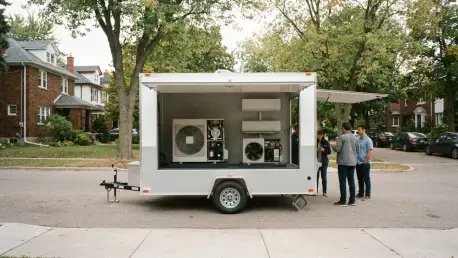
As programs shift from simple LED bulb replacements to complex electrification projects like heat pumps and EV chargers, the need for hands-on education increases. Many residents are unfamiliar with how these new household systems function and may harbor functional anxieties about their daily use or maintenance. Demonstration labs or mobile education centers allow customers to see and touch the technology before committing to an installation. By providing these interactive experiences, utilities bridge the gap between financial incentives and actual adoption. Seeing a heat pump operate quietly or experiencing the speed of an induction cooktop helps demystify the “clean energy future.” These educational hubs also provide a space where residents can ask technical questions without feeling pressured, creating a low-stakes environment for learning.
Effective education also involves translating technical benefits into everyday language that resonates with the household’s specific needs. Rather than focusing solely on carbon reduction or kilowatt-hour savings, outreach teams have found success by highlighting improved indoor air quality, consistent room temperatures, and the elimination of gas safety risks. Providing educational materials in multiple formats, including video tutorials and physical manuals in various languages, ensures that all members of the household can confidently operate the new equipment. This commitment to post-installation literacy proves essential for long-term satisfaction. By investing in the customer’s ability to master their new technology, utilities transform passive recipients of aid into active, knowledgeable participants in the modern energy economy, fostering a sense of ownership that lasts well beyond the initial project completion.
The strategic shift toward trust-based program delivery yielded measurable improvements in participation rates across priority communities from 2026 to the present. Utilities that prioritized localized partnerships and radical transparency observed a significant decrease in appointment cancellations and a higher rate of word-of-mouth referrals. The implementation of pre-arrival validation and unified messaging protocols effectively neutralized the skepticism that previously hindered enrollment. Furthermore, the use of hands-on demonstration labs addressed the functional anxieties associated with complex electrification, leading to higher long-term satisfaction scores. These organizations recognized that the human element was just as critical as the technical hardware in achieving a just energy transition. By treating every customer interaction as an opportunity to reinforce reliability, providers successfully laid the groundwork for a more resilient and inclusive energy infrastructure.