
High levels of nitrogen and phosphorus from burned landscapes frequently settle in reservoirs, creating stagnant breeding grounds for toxic algal blooms and aquatic die-offs. As of 2026, the United States faces an unprecedented intersection of climate volatility and drought, leading to over 68,000 individual blazes that have consumed nearly 10 million acres this year alone. This massive loss of vegetation is not merely a terrestrial concern but a fundamental threat to the nation’s hydraulic stability. Scientists are discovering that the aftermath of a severe fire can compromise a watershed for a decade, fundamentally altering the chemistry of the water that flows into kitchen taps. While the immediate focus often remains on extinguishing flames and protecting timber, the secondary disaster—a long-term contamination of the primary water supply—is becoming the most significant environmental challenge for municipal planners and public health officials today.
Watershed Degradation: The Collapse of Natural Filtration
Forested watersheds have historically functioned as the most effective and cost-efficient filtration systems in the United States, providing clean water to approximately two-thirds of the population. These complex ecosystems rely on deep root systems and dense floor litter to capture rainfall, slow its descent, and filter out impurities before the water enters subterranean aquifers or surface streams. However, the high-intensity fires witnessed throughout 2026 have effectively vaporized this biological infrastructure, leaving behind what geologists call scorched earth. Without the protective canopy and the spongy organic layer of the forest floor, the land loses its ability to absorb moisture. This transformation turns a once-resilient landscape into a hydrophobic surface where even moderate rainfall triggers catastrophic runoff events. The collapse of this natural barrier means that water utilities can no longer rely on the environment to pre-filter their supply, placing a massive burden on mechanical systems.
When heavy storms impact these charred terrains, the resulting erosion moves massive quantities of ash, charred timber, and heavy metals directly into the river systems that feed municipal reservoirs. Recent research conducted at the University of Colorado Boulder indicates that this degradation is not a temporary phenomenon; the impairment of water quality can persist for up to eight years after the smoke has cleared. This long recovery period contradicts previous assumptions that watersheds would return to baseline conditions within a few seasons. Instead, the persistent influx of fine sediments continues to cloud the water, making it difficult for treatment plants to maintain consistent quality. Furthermore, the loss of stabilizing vegetation means that seasonal snowmelts carry higher concentrations of silt, which physically clogs intake pipes while introducing abrasive particles that degrade the lifespan of expensive pumps. The sustained nature of this environmental damage requires a radical rethinking of modern forest management.
Chemical Risks: Contamination and Treatment Limitations
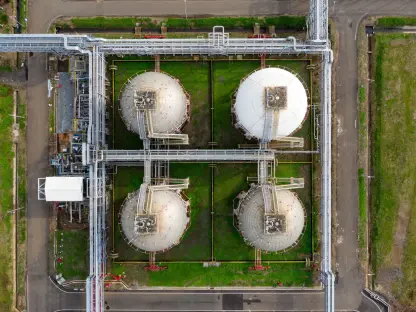
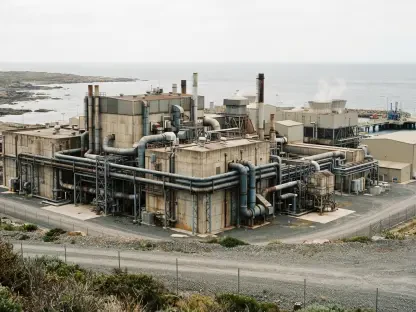
The sophisticated water treatment facilities that serve American cities were primarily engineered to process high-quality water that has already been refined by the natural world. These plants are highly efficient at removing standard bacteria, but they are increasingly vulnerable to the concentrated cocktail of contaminants produced by wildfire runoff. When ash and fire-retardant chemicals enter the intake stream, they introduce complex organic compounds that most existing infrastructure was never designed to handle. Utility managers are frequently forced into a defensive posture, where the only viable option during a peak runoff event is to shut down the intakes entirely. Closing these gates prevents the sludge-like water from entering the system, where it could cause permanent damage to delicate membrane filters and carbon units. However, these shutdowns create an immediate supply crisis, forcing cities to rely on limited storage tanks while the contaminated water passes through local river systems.
Managing this chemical shift requires utilities to address the formation of disinfection byproducts and the sudden surge of nutrients like nitrogen and phosphorus. When chlorine is added to water containing high levels of dissolved organic matter, it reacts to create toxic compounds regulated by the EPA due to their links to chronic illness. Simultaneously, the nutrient-rich sediment turns reservoirs into breeding grounds for cyanobacteria, which produce dangerous toxins and deplete oxygen levels, causing aquatic die-offs. To mitigate these risks, treatment plants must focus on stripping away organic matter before the disinfection stage—a technically demanding task that many older facilities were not built to handle. The transition from routine filtration to managing these biological and chemical hazards adds a layer of operational difficulty that drives up the cost of water production. This complexity necessitates a shift toward more advanced, high-tolerance filtration systems that can handle the extreme variability found in post-fire source water.
Economic Impact: Resilient Management and Adaptation
The socioeconomic consequences of wildfire-induced water instability were most clearly visible in the massive financial strain placed on small communities that were forced to rebuild their infrastructure from scratch. When local rivers became choked with burn debris, residents often faced months of reliance on expensive bottled water and trucked-in supplies. This instability rippled through local economies, forcing businesses like restaurants and manufacturers to suspend operations due to the lack of safe water. The high cost of emergency responses—such as shipping millions of gallons by truck—proved to be a catastrophic burden for municipal budgets. For many towns, the only path forward involved securing hundreds of millions of dollars in state and federal aid to reconstruct treatment plants or explore entirely new water sources. These events demonstrated that water security is not just an environmental issue but a pillar of economic stability that, when compromised, requires decades of recovery and investment.
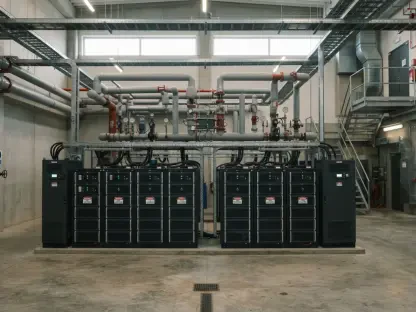
As the predictability of traditional surface water sources vanished, the management of municipal water underwent a fundamental shift toward diversification and proactive investment. Local governments recognized that total reliance on a single watershed was no longer a viable strategy, leading to the rapid development of deep groundwater wells and water reuse technologies. These redundant systems allowed utilities to bypass contaminated rivers and maintain a steady supply even when regional forests were burning. Furthermore, communities established regional interconnects to share resources during emergencies, ensuring that no single town was left without water. Engineering standards also evolved to include modular filtration units and advanced aeration systems that could be scaled according to current contamination levels. While the era of relying on the free filtration provided by forests largely came to an end, these strategic investments built a resilient foundation. This proactive approach turned a recurring disaster into a manageable challenge for the nation’s water infrastructure.