
Capturing carbon from organic matter and sequestering it permanently offers a path to negative emissions that competes directly with the e-fuel utilization market. The current global landscape of 2026 shows a massive surge in demand for e-methanol, yet the geography of production remains a complex puzzle. While northern latitudes possess abundant biogenic carbon from pulp and paper mills, the solar-rich regions of the south offer far cheaper electricity for the energy-intensive process of electrolysis. This fundamental disconnect necessitates a sophisticated logistical framework to ensure that synthetic fuels can be produced at a cost that is competitive with traditional fossil-based alternatives. Industry experts now recognize that the efficiency of transporting carbon dioxide is just as critical as the efficiency of the electrolyzers themselves. By bridging the gap between carbon sources and renewable energy hubs, the sector can transition from localized pilot projects to a unified, global supply chain that supports the decarbonization of the world’s most difficult-to-abate industries.
Comparing Transport Modalities: Carbon Molecules and Energy
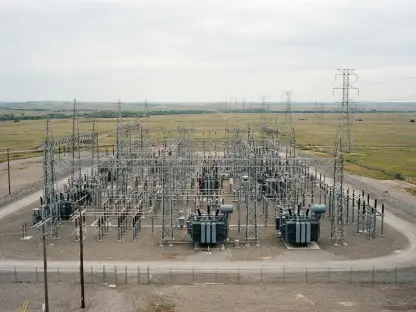
The choice between transporting raw energy or moving carbon molecules represents a pivotal decision for infrastructure developers aiming to minimize operational expenditures. Extensive modeling has demonstrated that moving green hydrogen through dedicated pipelines or transporting captured carbon dioxide is significantly more economical than transmitting the same amount of energy via high-voltage direct current lines. Within domestic borders, the deployment of carbon dioxide pipelines has proven to be a game-changer, potentially lowering the final cost of synthesized methanol by nearly 15 percent. This efficiency arises from the high energy density of the carbon molecule and the relative maturity of pipeline technology compared to the massive losses associated with long-distance electricity transmission. Consequently, the establishment of regional carbon grids is becoming a priority for industrial clusters that lack direct access to low-cost wind or solar power, ensuring that high-yield generation sites can serve as the primary synthesis hubs.
For larger scales involving international borders and transoceanic routes, maritime shipping emerges as the most viable and flexible solution for carbon logistics. While pipelines offer low operational costs once constructed, they require immense capital investment and lack the adaptability needed for a fluctuating global market. In contrast, specialized carbon carriers can reroute supplies based on shifting demand or price signals, making them indispensable for the emerging trade between Northern European industrial zones and Mediterranean energy exporters. Rail transport remains a competitive middle ground where existing infrastructure is available, but the sheer volume required for industrial-scale e-fuel synthesis often exceeds the capacity of terrestrial rail systems. Trucking, though useful for the final mile in smaller niche applications, is generally excluded from large-scale planning due to its high carbon footprint and prohibitive costs per ton. The focus remains on leveraging massive bulk carriers to create a fluid market where carbon is traded with the same efficiency as liquefied natural gas.
Economic Dominance: The Rise of Solar Energy Hubs
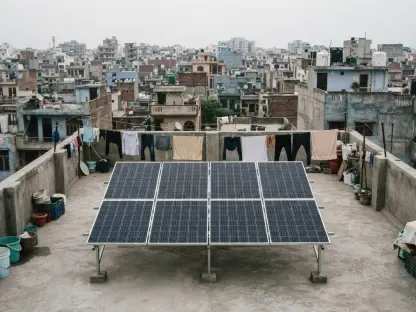
The rapid decline in the cost of solar photovoltaic technology has fundamentally reshaped the economics of fuel synthesis, placing sun-drenched regions at the forefront of the e-fuel revolution. By the middle of the century, regions like Spain and North Africa are expected to offer electricity prices that are substantially lower than those found in wind-rich northern climates. This economic shift is so profound that it often justifies the expense of shipping carbon dioxide across thousands of miles to reach these low-cost solar electrons. The energy required for water electrolysis—the process used to create the green hydrogen necessary for fuel synthesis—accounts for the vast majority of the total production cost. Therefore, even when the logistics of carbon transport are factored in, the final price of e-methanol produced in a solar hub remains lower than if it were produced at the source of the carbon capture. This trend suggests a future where carbon-neutral molecules are manufactured in high-output solar fields and then shipped back to industrial consumers in more temperate regions.
Analyzing current cost projections indicates that by 2050, the price of producing e-methanol in Mediterranean hubs using imported carbon could drop to approximately 63 euros per megawatt-hour. In comparison, producing the same fuel locally in Northern Europe might cost upwards of 75 euros per megawatt-hour, representing a significant price gap that favors international cooperation. This 16 percent advantage is driven almost entirely by the high capacity factors and low capital costs associated with massive solar arrays. As a result, carbon is no longer viewed as a waste product to be buried nearby but as a mobile commodity that seeks the most affordable energy landscape for conversion. This shift is encouraging new investments in liquefaction facilities and export terminals that can handle the massive throughput required for a global Power-to-X economy. The ability to decouple the location of carbon capture from the location of fuel synthesis allows for the optimization of both industrial output and renewable energy potential, creating a more resilient global energy system.
Developing Strategy: Efficient Global Carbon Highways
The optimization of carbon logistics served as the primary catalyst for reducing the cost of renewable fuels to levels that were previously thought unattainable. Strategic investments in liquefied carbon shipping and the standardization of pipeline infrastructure allowed different geographic regions to synchronize their energy profiles, creating a unified market for green molecules. It was discovered that the savings gained from high-yield solar energy in the south far outweighed the expenses associated with moving carbon molecules across continents. This economic reality prompted a massive reconfiguration of industrial hubs, where production facilities were relocated to optimize the flow of both energy and materials. The success of this transition relied on a holistic evaluation of the entire supply chain, ensuring that every ton of captured carbon reached the most efficient synthesis point. As the infrastructure matured, the global community established resilient carbon highways that facilitated the rapid scaling of e-fuel production, providing a viable alternative for energy sectors.
Forward-looking strategies in the carbon economy focused on the integration of byproduct heat and the utilization of oxygen to maximize the financial viability of every production site. Leaders in the field moved beyond isolated pilot projects and instead developed integrated industrial ecosystems where carbon capture, hydrogen production, and fuel synthesis were co-located with existing thermal demands. This approach not only improved the energy efficiency of the process but also created new revenue streams that helped stabilize the market during the early years of the transition. The focus shifted toward long-term contracts and the development of international standards for carbon purity and transport safety, which reduced the perceived risk for investors. By treating carbon as a strategic asset rather than a waste product, the industry unlocked the potential for a truly circular economy. These practical steps laid the groundwork for a future where sustainable energy carriers are produced with minimal environmental impact, ensuring that the global shift toward neutrality remained sustainable.