
The recent closure of a six-billion-dollar fund by LS Power marks a definitive turning point for an American energy grid currently struggling to reconcile explosive digital demand with the physical constraints of an aging and fragmented infrastructure. This massive capital infusion, which notably exceeded original expectations by nearly two billion dollars, highlights a critical consensus among institutional investors: the domestic power sector is no longer a slow-growth utility environment but a high-stakes frontier for infrastructure development. As the United States navigates an unprecedented shift toward cleaner energy sources, the necessity for a balanced, reliable, and flexible grid has never been more apparent. This analysis examines how LS Power is positioning itself as a central architect in this transition, utilizing a diversified strategy that spans from traditional thermal generation to the cutting edge of distributed energy resources and battery storage.
A Legacy of Adaptation in Power Markets
Understanding the current trajectory of the energy landscape requires a careful examination of the history and agility of its primary market participants. Founded over three and a half decades ago, LS Power originally established its footprint as a developer of natural gas facilities during a period when the industry was characterized by centralized, fossil-fuel-heavy generation. However, the company’s real strength emerged through its ability to pivot during times of extreme market volatility. Following the sector-wide instabilities and bankruptcies of the early 2000s, the firm transitioned into a private equity model, specializing in the acquisition and rehabilitation of distressed assets. This historical flexibility has allowed the organization to raise nearly twenty billion dollars over the years, evolving from a narrow focus on power plants into a holistic platform that oversees transmission, electric vehicle charging, and complex renewable portfolios.
The evolution of the sector has been defined by a constant tension between market signals and regulatory shifts. In previous decades, investors frequently found themselves caught between the rigid structures of incumbent utilities and the unpredictable nature of deregulated markets. By moving toward a diversified investment model, firms like LS Power have managed to hedge against these fluctuations, ensuring that they remain relevant regardless of which way the political or economic pendulum swings. This background is essential for interpreting the modern grid’s needs, as it demonstrates that long-term success in the power sector is rarely about sticking to a single technology. Instead, it is about maintaining the capacity to deploy capital where the grid is most vulnerable, whether that involves reinforcing existing gas plants or building out the next generation of high-voltage transmission lines.
The Triple-Pillar Investment Strategy
Balancing Firm Capacity with Renewable Expansion
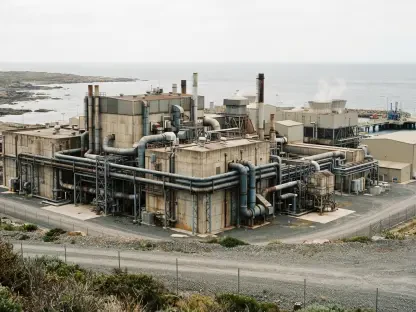
The primary pillar of the modern investment philosophy centers on the unwavering need for firm capacity, which refers to energy generation that remains available regardless of weather patterns or time of day. While the push for decarbonization is a dominant theme in 2026, the reality of grid operations has reinforced the continued importance of natural gas-fired combined-cycle and peaking plants. These facilities serve as the bedrock of reliability, stepping in when intermittent sources like wind and solar are unable to meet demand. The recent acquisition of a five-gigawatt portfolio from Constellation Energy exemplifies this pragmatic approach. By securing these assets, investors are acknowledging that the transition to a greener grid cannot happen at the expense of stability, as natural gas remains the only scalable solution for balancing the high variability of renewable energy at the present moment.
Simultaneously, the firm continues to pursue a value-add strategy within the renewable sector, often capitalizing on periods of market skepticism to consolidate high-quality assets. When other participants retreat due to supply chain disruptions or shifting interest rates, a well-capitalized strategy allows for the acquisition of diverse renewable platforms, such as the expansive North American business formerly held by Algonquin. This portfolio, consisting of over forty diverse assets, illustrates the benefits of a contrarian investment style. By integrating wind, solar, and hydro assets across multiple jurisdictions, the firm creates a diversified renewable engine that complements its thermal generation. This dual-track approach ensures that the portfolio can capture the upside of the energy transition while providing the essential “firmness” that modern industrial and residential consumers demand.
Harnessing Distributed Resources and Grid Edge
Beyond the massive centralized plants that have historically defined the grid, the strategy increasingly emphasizes distributed resources located at the “edge” of the system. These include technologies such as demand response programs, localized energy efficiency measures, and microgrids that can operate independently of the main transmission network. As the centralized grid faces mounting pressure from increased consumption, these localized solutions act as vital buffers. They provide a level of resilience that massive power plants cannot always offer, particularly during extreme weather events or periods of intense localized demand. By investing in the periphery of the electrical system, market participants are creating a more flexible and responsive infrastructure that can mitigate the need for some of the most expensive and time-consuming transmission upgrades.
The focus on distributed energy also addresses the growing need for rapid deployment. Traditional power infrastructure projects often face lead times that span half a decade or longer, whereas distributed resources and battery storage can be brought online in a fraction of that time. This speed is essential for maintaining grid health in a landscape where consumer behavior is shifting toward electrification at a pace that exceeds the speed of traditional construction. By treating the grid edge as a core investment priority, firms are effectively future-proofing their portfolios against the unpredictability of localized load growth. This methodology recognizes that the future of power is not just about producing more electricity, but about managing it more intelligently at the point of consumption.
Overcoming Geographic and Administrative Bottlenecks
Regional market dynamics, particularly in heavily populated areas like the Mid-Atlantic and Midwest, present a unique set of challenges that require specialized administrative expertise. In regions governed by the PJM Interconnection, price signals are increasingly indicating a desperate need for new supply, yet the path to bringing that supply online is hindered by a massive backlog in interconnection queues. These administrative logjams have become a primary barrier to entry for new generation projects, often forcing developers to wait years just to receive permission to connect to the grid. To navigate this, the strategy has shifted toward “uprates,” which involve increasing the capacity and efficiency of existing facilities. This approach allows for the addition of much-needed megawatts without the decade-long wait associated with greenfield development.
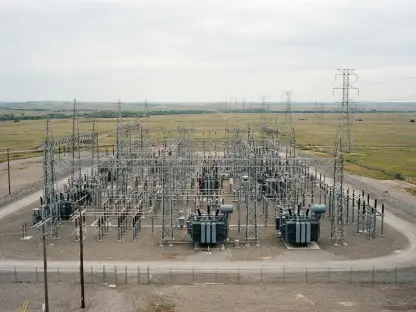
Furthermore, the firm has positioned transmission as a competitive frontier, challenging the traditional monopoly of incumbent utilities. For too long, the expansion of the high-voltage lines that carry electricity across state lines was stagnant, leading to significant “congestion” that artificially inflated prices for ratepayers. By treating transmission as a field where independent developers can innovate and compete, the industry is finding ways to reduce these bottlenecks more efficiently. This competitive pressure forces the entire sector to move faster and think more creatively about how to move power from the wind-rich plains or solar-heavy deserts to the urban centers where it is most needed. Addressing these geographic and administrative constraints is no longer just a regulatory necessity; it is a core component of a successful investment thesis.
Emerging Trends and the Rise of Secular Demand
The American power sector has entered a new era of secular demand growth that is fundamentally different from the speculative bubbles of the past. For nearly twenty years, electricity consumption remained largely flat, growing at an almost negligible rate. However, the current landscape is characterized by an annual growth rate ranging from one to five percent, driven by a combination of factors including the domestic manufacturing boom, the electrification of the automotive sector, and the massive expansion of the digital economy. This is not a temporary spike but a durable, long-term shift in how the nation consumes energy. The rapid rise of artificial intelligence and the massive data centers required to support it have placed an unprecedented strain on the grid, creating a situation where the demand for power is growing much faster than the ability to supply it.
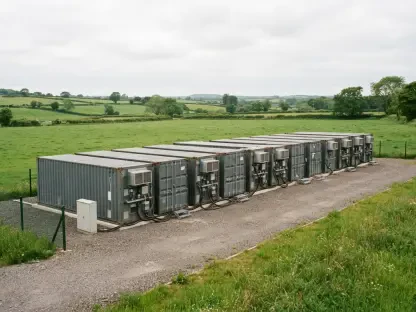
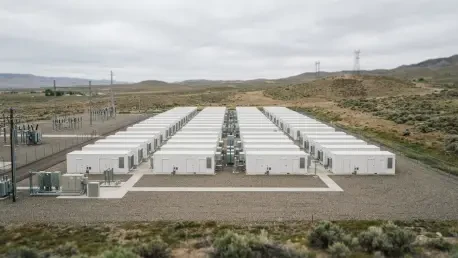
This mismatch has created what experts describe as a “timing lag” crisis. A state-of-the-art data center can be designed and built in less than two years, yet the transmission lines and power plants required to serve that facility often take six years or more to navigate the complex web of permitting and construction. Looking forward, battery storage is emerging as the primary technology to bridge this gap. Because storage systems can be deployed with relative speed compared to traditional thermal plants, they offer the most viable immediate solution for balancing the grid. As the intermittency of the renewable fleet increases and the demand from the digital sector continues to surge, the ability to store and dispatch energy at a moment’s notice will become the most valuable commodity in the power market.
Actionable Strategies for Market Participants
For professionals navigating this complex environment, the most critical takeaway is the absolute necessity of maintaining a diversified asset base. Relying solely on one form of generation or one specific region is no longer a viable strategy given the current levels of policy volatility and market uncertainty. Investors must look for opportunities that balance long-term sustainability with immediate grid reliability. This means that while the pursuit of green energy remains a priority, the maintenance and optimization of existing thermal assets must not be overlooked. Firms should prioritize “brownfield” developments and facility uprates, as these projects offer a much faster path to market than starting from scratch in an environment where the interconnection queue is a major roadblock.
Additionally, industry participants should actively engage in and prepare for significant permitting reform. The administrative hurdles that currently slow down the construction of power lines and generation facilities are the single greatest threat to American grid reliability. Businesses that position themselves to take advantage of streamlined regulatory processes will have a significant competitive advantage. Finally, the integration of advanced battery storage and grid-edge technologies should be viewed as a mandatory component of any modern energy portfolio. These assets provide the flexibility needed to manage the timing lag between demand growth and infrastructure completion, ensuring that firms can remain profitable and reliable even as the broader system undergoes its most significant transformation in a century.
Forging a Resilient Path for the American Grid
The strategic shifts observed within the power sector reflect a broader realization that the transition to a modern grid is a task of immense complexity. The industry successfully moved toward a model that integrated thermal reliability with renewable innovation, acknowledging that “firm capacity” is the non-negotiable foundation of a functional society. Stakeholders recognized that capital alone could not solve the crisis of the timing lag; it required a fundamental rethinking of how infrastructure is permitted, built, and managed. By prioritizing competition in transmission and the rapid deployment of storage, the market found ways to alleviate the bottlenecks that once threatened to derail the digital and manufacturing booms.
As the sector looked back on the progress made during this period of high demand, it became clear that the most successful participants were those who embraced flexibility over rigid technological dogmas. The power grid transitioned from a collection of stagnant, isolated systems into a dynamic, interconnected machine capable of supporting the massive computational needs of the modern age. This evolution was not merely a matter of engineering, but a triumph of strategic investment and regulatory adaptation. Ultimately, the lessons learned from this era emphasized that a resilient energy future depends on the ability to move electrons efficiently, store them reliably, and generate them through a balanced portfolio that respects both the environment and the absolute necessity of the “always-on” grid.