
Proactive adaptation and strategic planning have become essential for small businesses trying to navigate the rising rates associated with water shortages. The Southwestern United States is currently navigating a period of unprecedented hydrological stress, as the historical reliability of the Colorado River system faces a significant decline. According to the latest analysis from the U.S. Energy Information Administration, hydropower output plummeted by 19% between April and August compared to the previous year. This downturn is not merely a transient weather event but part of a larger trend that has seen production levels fall 28% below the ten-year average. As regional temperatures continue to trend higher, the evaporative loss from major reservoirs is accelerating, creating a feedback loop that diminishes the available potential energy stored behind the region’s massive concrete dams. For commercial entities that have long benefited from low-cost hydroelectric power, this shift represents a fundamental change in the regional economic landscape that requires immediate attention and foresight.
The Infrastructure Crisis and Resource Management
Diminishing Reservoir Levels: The Threat to Glen Canyon
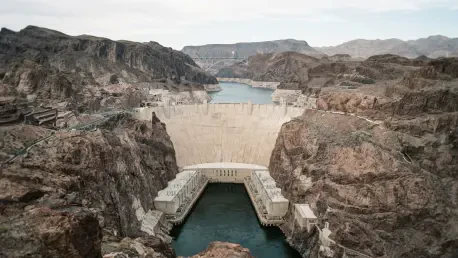
The mechanical heart of the Southwest’s power grid resides in the massive concrete structures of the Glen Canyon and Hoover Dams, yet these facilities are facing an existential threat from receding water lines. Lake Powell, which feeds the Glen Canyon Dam, has moved dangerously close to its minimum power pool elevation, a technical threshold where the turbines can no longer safely operate to generate electricity. This physical constraint is a direct result of decades of diminished inflow from the Colorado River basin, leaving regional planners with few options to maintain traditional output levels. If the water drops below this critical point, the dam effectively becomes a dormant monument, forcing the grid to pull energy from more expensive and often less clean alternatives. The loss of such a primary baseload source creates a cascading effect through the regional infrastructure, as utilities must scramble to fill the void left by the absence of steady hydroelectric power during peak summer demand when the grid is most vulnerable.
Mandatory Reductions: Balancing Consumption and Power
To address the dwindling supplies, the Department of the Interior has implemented stringent mandatory water consumption cuts across California, Arizona, and Nevada. These regulatory measures require a reduction of approximately 1.25 million acre-feet annually over the next two years, a policy decision that directly impacts the amount of water available for power generation. By prioritizing domestic and agricultural consumption over energy production, the federal government is effectively capping the potential output of the regional hydropower fleet. For states like Arizona and Nevada, which have grown rapidly in recent years, these restrictions pose a significant challenge to urban development and industrial expansion. The necessity of these cuts highlights the precarious balance between human demand and natural replenishment, as the Colorado River system can no longer sustain the intensive usage patterns of the late 20th century without risking a total collapse of the reservoir system’s core functionality and its ability to serve the population.
Economic Adaptation and Grid Reliability
Market Volatility: The Impact on Operational Costs
The contraction of hydroelectric output has immediate and measurable financial consequences for the commercial sector, particularly for enterprises that rely on stable utility pricing. As the supply of low-cost hydropower diminishes, regional utilities are forced to purchase replacement energy from the spot market, where prices are often volatile and significantly higher. These costs are inevitably passed on to the consumer, leading to a noticeable increase in monthly electricity bills for retail shops, manufacturing plants, and service providers. For many small business owners, energy has transformed from a predictable overhead cost into a fluctuating liability that requires constant monitoring and budget adjustments. The economic ripple effect extends beyond direct billing, as the increased cost of power can lead to higher prices for local goods and services, potentially dampening consumer spending. Adapting to this new fiscal reality requires a comprehensive understanding of energy markets and a willingness to implement efficiency measures.
Resilience Strategies: Transitioning to New Energy Models
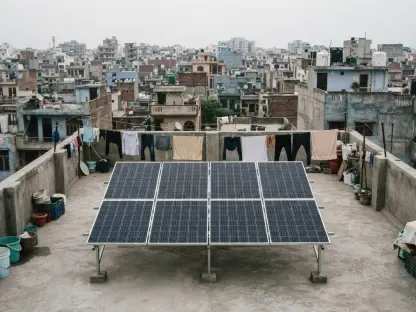
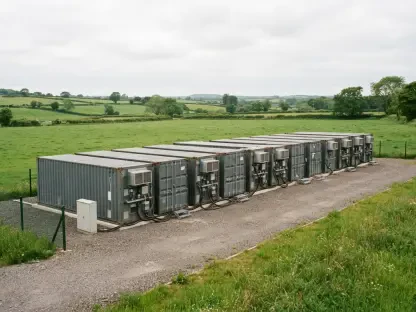
In response to the uncertainty of the power grid, many forward-thinking businesses recognize the need for localized renewable energy installations to regain a sense of control. Solar panels and battery storage systems have become increasingly attractive options, offering a way to hedge against future rate hikes while contributing to long-term sustainability goals. By generating electricity on-site, companies reduce their dependence on the municipal grid and ensure that critical systems remain operational even during regional shortages. This shift toward decentralization is supported by technological advancements that have made renewable hardware more efficient and affordable for smaller commercial footprints. Furthermore, federal grants and tax incentives facilitate this transition by lowering the barrier to entry for medium-sized enterprises. These proactive measures allow businesses to mitigate the upfront costs of upgrades that provide operational stability. The focus on resilience provides a clear path forward, allowing communities to adapt to a changing climate while maintaining robust commercial activity.