
Higher inflation and new revenue streams from capacity contracts effectively offset the headwinds created by volatile energy trading markets in the third quarter. This resilience marks a significant turning point for Gresham House Energy Storage, a prominent fund managing approximately £620 million in assets dedicated to the evolving energy transition in the United Kingdom. After navigating a period of operational adjustments and shifting fiscal policies, the fund reported a 2.2% increase in its net asset value per share, bringing the current valuation to 134.23p. This steady climb represents the third consecutive quarter of growth in 2026, totaling an 18.3% increase for the first nine months of the year. The recovery is particularly noteworthy given the earlier challenges encountered during the fiscal year when revenue from energy trading plummeted, leading to a temporary suspension of dividend payments to preserve capital for essential site upgrades. By stabilizing its cash flow through diversified contractual obligations, the fund has demonstrated an ability to weather broader economic shifts while maintaining its focus on long-term infrastructure stability.
Financial Resilience and Portfolio Valuation Trends
The fiscal landscape for battery storage assets has undergone a profound transformation as the fund recalibrated its economic assumptions to align with the current high-interest-rate environment. By increasing its discount rate to 11.11%, the board has acknowledged the inherent macroeconomic risks while simultaneously capturing the upside from revised cost models and inflation-linked performance targets. This meticulous approach to valuation has allowed the net asset value to recover from the volatility seen in the previous year, demonstrating that strategic hedging and long-term capacity contracts can provide a reliable floor for earnings. Even as short-term gas price forecasts fluctuated, the integration of new revenue streams from the capacity market ensured that the portfolio remained financially viable. Investors have responded to this stability with renewed interest, closely watching how these technical adjustments translate into sustainable distributions as the broader energy market stabilizes. The fund’s ability to maintain valuation growth amid rising interest rates highlights the underlying strength of its specialized asset class.
Market sentiment regarding the fund has shifted noticeably over the last six months, with share prices experiencing a robust 47% increase as operational milestones were achieved. Despite this impressive rally, the stock continues to trade at an 18.5% discount to its net asset value, presenting a complex puzzle for the board and prospective buyers alike. This valuation gap was a primary driver for institutional pressure, most notably from activist investor PrimeStone Capital, which advocated for a strategic shift to unlock shareholder value. While the board initially resisted external calls for a sale, preferring a standalone three-year growth trajectory, the persistence of the discount eventually necessitated a more radical approach. The initiation of a formal sale process reflects a pragmatic acknowledgment that a transition in ownership might be the most efficient path to realize the underlying value of the assets. This decision highlights the delicate balance between long-term infrastructure development and the immediate liquidity needs of a diverse investor base looking for a faster exit.
Strategic Growth: Asset Augmentation and Future Exit
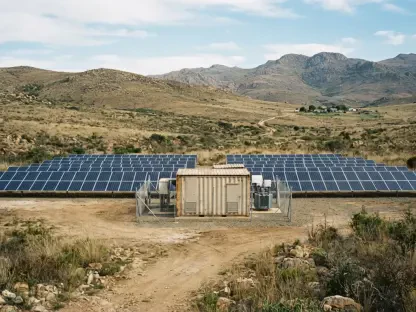
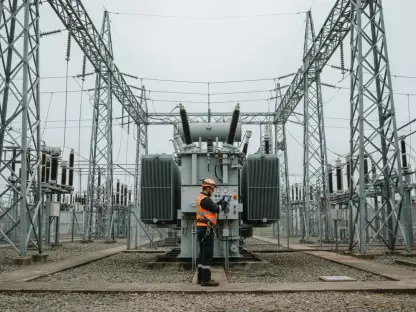
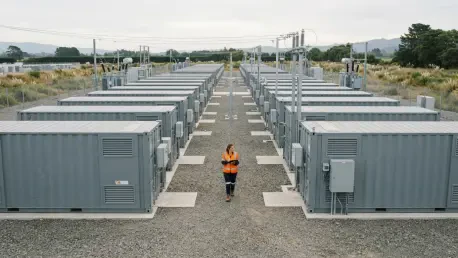
A fundamental component of the current strategy involves the systematic augmentation of existing battery storage sites to extend their discharge durations. This technical shift toward a two-hour average duration across the portfolio is designed to maximize the capture of price spreads in the wholesale energy market. During the third quarter, several high-capacity locations, including Tynemouth and Rufford, were temporarily taken offline to facilitate these critical hardware and software upgrades. While these pauses in operation led to a temporary dip in annualized revenue per megawatt, the long-term objective is to shift away from short-duration frequency response services toward more lucrative energy arbitrage and balancing mechanism activities. This transition requires significant capital expenditure and technical precision, but it positions the fund to benefit from the increasing intermittency of renewable energy generation. By providing longer periods of support to the power grid, these upgraded facilities offer a more versatile toolset for managing supply and demand imbalances.
Ultimately, the board implemented a comprehensive strategy that successfully merged technical site improvements with a clear pathway for shareholder liquidity. They completed the re-energization of the Red Scar and Roundponds facilities, which provided the necessary operational data to demonstrate the viability of extended battery durations. Management also finalized the construction timelines for major projects at Cockenzie and Monets Garden to ensure that no momentum was lost during the strategic review. These actions established a robust precedent for how specialized infrastructure funds manage periods of market correction and activist pressure. To maximize future value, the organization prioritized the optimization of battery cycling patterns and the standardization of maintenance protocols across the entire fleet. By doing so, they provided prospective acquirers with a transparent and high-performing asset base that was ready for immediate integration. The successful transition of these assets underscored the vital role of storage in maintaining a reliable grid.