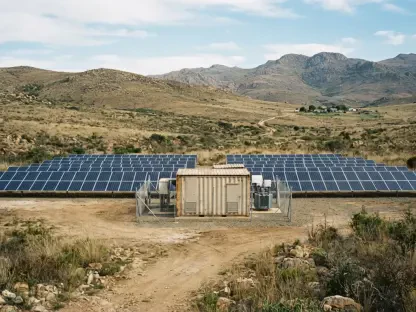

Four distinct solar parks across Teleorman, Giurgiu, Olt, and Dolj counties are already contributing over 200 MW to Romania’s regional electricity grid. This achievement represents a cornerstone of the broader European energy transformation, where the traditional boundaries of power generation are being redrawn through massive capital injections and advanced engineering. Across the continent, nations are no longer simply adding capacity; they are rethinking the fundamental relationship between technology, land, and the economy. The current landscape is defined by a shift toward smarter solar photovoltaics and robust financial frameworks that support a diversified energy mix. By integrating regional projects into a cohesive strategy, European markets are securing a dominant position in the global transition to sustainable systems. This evolution reflects a mature industry that has moved beyond experimental pilot phases into a period of large-scale deployment that prioritizes efficiency and grid resilience.
Scaling Agricultural Solar and Corporate Investment
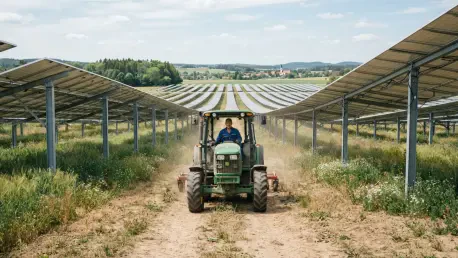
Germany is currently setting a global benchmark by pioneering a dual-use land model known as agrivoltaics, which harmonizes energy production with active farming. In the Mecklenburg-Western Pomerania region, Blue Elephant Energy has commenced a massive 96 MW cluster that specifically addresses the challenge of land scarcity. This project utilizes sophisticated tracker-mounted modules that mechanically pivot to follow the sun’s trajectory, significantly boosting energy yields compared to static systems. A defining engineering feature is the nine-meter gap between rows, which ensures that conventional agricultural machinery can still traverse the fields without interference. This allows the land to remain fully productive for food crops throughout the project’s thirty-year lifespan. By integrating solar infrastructure directly into the rural landscape, this model successfully mitigates the friction often found between food security and the rapid expansion of renewable energy assets.
Beyond individual projects, large energy corporations are realigning their entire portfolios to favor decarbonization through substantial growth expenditures. Uniper has committed to directing nearly a third of its €6 billion capital budget toward green generation, specifically targeting solar and wind initiatives across the United Kingdom and Europe. This shift is mirrored by the massive capital influx into Southeast Europe, where firms like HELLENiQ ENERGY have pledged over €1 billion to develop solar and storage capacities in Romania. The objective is to establish 1.3 GW of renewable power by 2030, reflecting a significant geographic broadening of the continent’s energy base. These investments are not merely symbolic; they represent a fundamental pivot in business strategy where fossil fuel giants are transforming into integrated green utilities. This corporate momentum provides the financial stability required to sustain large infrastructure while attracting additional global investors.
Optimizing Grid Assets and Energy Storage
To lower costs and enhance system efficiency, developers are increasingly adopting hybridization, which pairs distinct renewable sources using the same physical infrastructure. In Portugal, the Pracana project serves as a prime example of this trend by combining a new 48 MW ground-mounted solar plant with an existing 41 MW hydropower facility. This strategic integration allows the solar farm to share grid connections and transmission lines already established for the hydro plant, negating the need for expensive and time-consuming new construction. By blending the intermittency of solar power with the dispatchable nature of hydropower, the system creates a more stable and reliable output for the regional electricity grid. This method of maximizing existing assets ensures that land and infrastructure are used to their fullest potential. As more nations look to optimize their grids, such hybrid systems are becoming a template for cost-effective renewable expansion across the European Union.
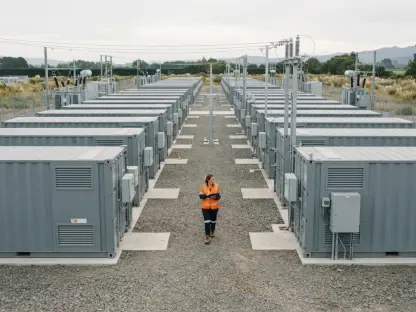
In Latvia, the technological focus has shifted toward large-scale battery storage to manage the natural variability of renewable power. A significant project located near Riga has integrated a 15 MW solar plant with a 40 MWh battery storage system to provide essential stability to the national grid. These batteries are designed to do far more than just store excess electricity for periods of high demand; they actively participate in frequency regulation markets, helping the transmission system operator maintain a steady flow. This ability to balance the grid in real-time is vital for preventing outages as more solar and wind energy comes online. The project, supported by significant local financing, underscores the growing recognition that storage is no longer an optional add-on but a core component of modern energy infrastructure. By ensuring grid reliability through advanced chemistry and software, these storage facilities allow for a much higher penetration of variable green energy.
Securing Capital Through Green Financial Instruments
The expansion of these sophisticated energy projects is backed by a rapidly maturing market for sustainable finance instruments. High investor confidence is clearly demonstrated by the success of specialized green bonds, such as the €600 million offering recently issued by Austria’s VERBUND AG. This particular bond issue was oversubscribed by more than four times, attracting a diverse group of over 120 international investors. The capital raised is being channeled into a wide array of critical initiatives, including the development of high-voltage transmission infrastructure and wind power projects across several European nations. The enthusiastic reception of these financial products proves that the investment community views the green transition as a stable and lucrative long-term opportunity. This financial robustness provides a predictable framework for developers, allowing them to plan massive infrastructure projects with the assurance that the necessary capital will be available.
The strategic landscape for European energy established a clear path forward by prioritizing technical integration and financial transparency. Successful implementation of these diversified projects showed that technical innovation in land use and grid management provided the most effective route to meeting climate objectives. Policymakers and industry leaders recognized that the next logical steps involved streamlining cross-border energy sharing and standardizing battery safety protocols to maintain this momentum. They prioritized the development of localized supply chains for solar components and storage cells to reduce reliance on external markets. Future considerations necessitated a focus on digital twin technology to monitor grid health and predict maintenance needs before they impacted delivery. By fostering an environment where innovation and capital moved in tandem, the sector effectively mitigated the risks associated with rapid scaling. This approach ensured that the energy transition remained both economically viable and sound.