
By 2050, the Treasure Coast must integrate sophisticated resource management with localized conservation to support a population growth of over one-third. As the South Florida Water Management District (SFWMD) continues to implement the 2026 Upper East Coast Water Supply Plan, the strategic focus remains fixed on the rapidly developing counties of Martin, St. Lucie, and northeastern Okeechobee. With the regional population projected to swell to approximately 750,000 residents, the pressure on existing freshwater resources has reached a critical juncture. The objective is to secure a reliable supply that meets the needs of urban centers while preserving the agricultural productivity that defines the region’s economy. Furthermore, protecting the delicate balance of lagoons, estuaries, and wildlife habitats is essential to maintaining the environmental integrity that attracts residents to the coast. This requires a departure from traditional water sourcing, moving toward a future defined by technological innovation and integrated governance.
Infrastructure Transformation: Beyond Traditional Sources
Diversifying Sources Through Advanced Treatment
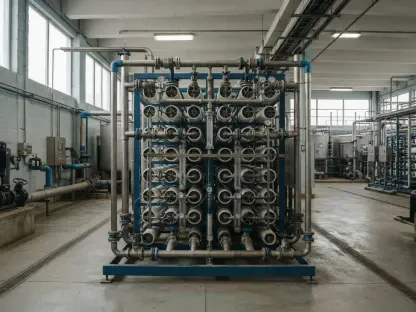
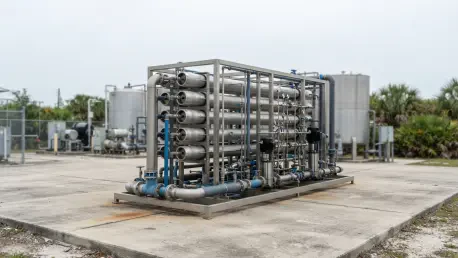
The current approach to water security involves a significant transition away from the Surficial Aquifer System, which has long been the primary source for the region’s needs. Because this shallow reservoir is increasingly vulnerable to over-extraction and the looming threat of saltwater intrusion, water managers are pivoting toward “alternative water supplies” to bridge the gap. Central to this strategy is the utilization of the Floridan Aquifer, a much deeper and more expansive source. Although this water is brackish and contains higher mineral content, the application of modern reverse-osmosis treatment allows it to be converted into high-quality potable water for the growing population. By investing in these sophisticated treatment facilities, local utilities can provide a consistent supply that is less dependent on seasonal rainfall patterns. This infrastructure expansion is complemented by the development of reclaimed water systems, which repurpose treated wastewater for non-potable uses.
Beyond the technical aspects of filtration and extraction, the regional plan emphasizes the importance of a circular water economy to maximize every available gallon. Reclaimed water systems are being expanded to serve large-scale irrigation needs for residential landscapes, golf courses, and public parks, effectively reducing the demand for high-quality drinking water. This shift not only conserves the pristine resources of the Floridan Aquifer but also minimizes the nutrient-rich discharge that can negatively impact local waterways like the Indian River Lagoon. To support this transition, local governments are integrating new building codes and utility requirements that mandate the use of reclaimed lines in new developments. These policy-driven changes ensure that the infrastructure keeps pace with the rapid urbanization seen across St. Lucie and Martin counties. The coordination between state-level planning and local execution serves as the foundation for a resilient water grid.
Managing Shifting Demands Between Sectors
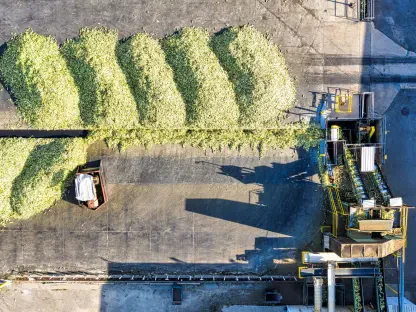
While residential growth dominates the headlines, the agricultural sector remains a vital component of the Treasure Coast’s identity and a significant consumer of water. The SFWMD projects that while agricultural land use may decrease as urban areas expand, the efficiency of water application must increase to sustain productivity. To achieve this, researchers at the University of Florida’s Institute of Food and Agricultural Sciences are deploying smart irrigation technologies. These systems utilize a network of soil moisture sensors and real-time weather data to provide farmers with precise information on when and where to irrigate. By moving away from fixed schedules and toward a data-driven model, the agricultural community can drastically reduce waste and ensure that water usage is optimized for crop health. This precision approach not only conserves water but also reduces the runoff of fertilizers into sensitive estuaries, creating a dual benefit.
The successful implementation of these long-term strategies relies on a unified commitment to infrastructure modernization and a culture of conservation. Regional leaders move decisively to integrate advanced treatment technologies, ensuring that the reliance on alternative water sources becomes a cornerstone of the area’s development. By prioritizing the expansion of the Floridan Aquifer’s role and the widespread adoption of reclaimed water, the Treasure Coast successfully mitigates the risks associated with population surges. Furthermore, the collaboration between scientific institutions and the agricultural sector fosters a new era of precision management that protects vital ecosystems while supporting food security. These actions collectively establish a resilient framework that allows the region to flourish without compromising its natural beauty. The foresight demonstrated in 2026 proved essential in building a sustainable legacy for future generations.