
The second-life battery market for stationary energy storage is projected to explode from 188 million dollars to nearly 5.86 billion dollars over the next ten years. This massive economic shift is underpinned by a fundamental change in how the automotive industry perceives the components powering the electric revolution. For decades, vehicle parts were treated as simple consumables—items to be replaced and discarded with little regard for their long-term environmental footprint. Today, however, the focus has shifted toward the entire life cycle of lithium-ion batteries as these power units transition from being viewed as high-tech hardware to strictly regulated, potentially hazardous materials that require a sophisticated management ecosystem.
The core of this transformation is driven by a desire to create a circular economy where no resource is wasted and every watt-hour of potential energy is accounted for. As the European Union moves forward with its comprehensive regulatory agenda, the automotive aftermarket is at the center of a logistical and industrial overhaul. This is not merely a technical adjustment for repair shops and manufacturers; it is a total redesign of the industry’s DNA. Stakeholders must now navigate a landscape where data transparency, environmental accountability, and safety protocols are as critical to business success as the physical act of assembling a vehicle. The era of the “disposable” battery is ending, replaced by a system where every cell is tracked from production to its eventual rebirth in a secondary application or its final breakdown in a refinery.
The Regulatory Framework
The implementation of Regulation (EU) 2023/1542 represents the most significant legislative intervention in the history of the European battery sector. By focusing on a “reduced environmental footprint” for energy storage systems, the EU is attempting to decouple economic growth from resource consumption. This framework is not just about waste management; it is a strategic tool designed to secure supply chain stability and foster domestic industrial maturity. As the world faces increasing competition for critical minerals, Europe’s legislative approach serves as a blueprint for maintaining strategic autonomy while simultaneously leading the charge for global sustainability standards.
Circular Economy Goals
The primary objective of the European Union’s legislative strategy is to move beyond the traditional “produce-use-dispose” model that has characterized the industrial age for over a century. By integrating the Circular Economy Action Plan directly into battery regulations, the EU is mandating that sustainability be built into the design phase of every energy storage system. This means that manufacturers are no longer just looking at performance metrics like energy density or charging speed; they are also forced to consider how easily a battery can be dismantled and how much of its internal chemistry can be recovered at the end of its initial service life. This systemic shift is intended to create a self-sustaining loop where materials harvested from the previous generation of vehicles provide the feedstock for the next.
This focus on the circular economy also acts as a safeguard against the volatility of the global raw materials market. By prioritizing the recovery and reuse of lithium, cobalt, and nickel within European borders, the regulation reduces the region’s dependence on external suppliers. This is particularly relevant as the demand for electric mobility continues to climb, placing unprecedented pressure on mining operations worldwide. The legislation essentially treats the existing fleet of electric vehicles as an “urban mine,” where the most valuable resources are already on the road, waiting to be recaptured. This approach requires a radical rethinking of the supply chain, turning traditional manufacturers into resource managers who must oversee the movement of materials throughout their entire functional life cycle.
Extended Producer Responsibility
Extended Producer Responsibility, or EPR, is the legal mechanism that ensures manufacturers remain tethered to their products long after they have left the factory floor. Under this system, the entity that places a battery on the market is legally and financially responsible for its management at the end of its life. This accountability covers the costs of collection, transportation, and the complex recycling processes required to meet European standards. For the automotive industry, this means that the sale of a vehicle is no longer the end of the transaction but the beginning of a long-term obligation to ensure that the battery does not end up in a landfill or an unregulated processing facility.
This principle of responsibility is intended to incentivize manufacturers to build more durable and more easily recyclable products. If a manufacturer knows they will eventually have to pay for the dismantling and recycling of a battery pack, they are far more likely to design it in a way that minimizes those future costs. This has led to a surge in innovation regarding modular battery designs and standardized assembly techniques that facilitate faster and safer handling. Furthermore, EPR creates a structured funding mechanism for recycling infrastructure, ensuring a consistent flow of capital to support the development of high-tech processing facilities across the continent. By shifting the financial burden from the public sector to producers, the EU is ensuring that the true environmental cost of a product is reflected in its life-cycle management.
Industrial Maturity and Infrastructure
The physical infrastructure required to handle millions of end-of-life batteries is currently undergoing a period of rapid industrialization. Europe is moving away from small-scale experimental sites toward a coordinated industrial network capable of processing massive volumes of material. This evolution is characterized by the emergence of a specialized “hub-and-spoke” logistics model, which is designed to maximize efficiency and minimize the risks associated with transporting heavy, potentially unstable energy storage units over long distances. As this network matures, the industry is overcoming the initial growing pains of high costs and logistical complexity.
The Spoke-and-Hub Model
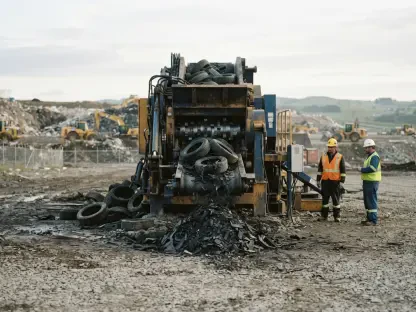
In the current industrial landscape, “spoke” facilities serve as the first point of contact for spent batteries. These decentralized sites are strategically located near major automotive hubs and population centers to reduce the distance that end-of-life batteries must travel in their most dangerous state. At the spoke, technicians perform the initial inspection and mechanical dismantling of the battery packs, separating the plastic casings, cooling systems, and electronics from the core cells. The primary output of these facilities is “black mass,” a concentrated powder containing the valuable lithium, cobalt, and nickel that make up the battery’s active materials. This process significantly reduces the volume of material that needs to be moved to the next stage, making the entire logistics chain more cost-effective.
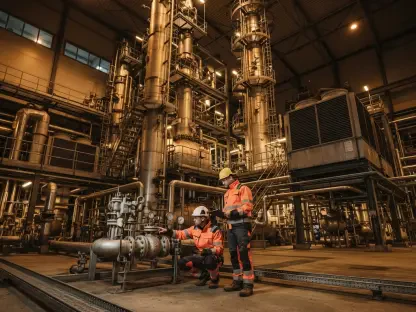
The “hubs” represent the high-tech heart of the recycling ecosystem, where black mass is refined into battery-grade chemicals. These centralized refineries use advanced hydrometallurgical or pyrometallurgical processes to extract pure metals with high precision. By concentrating this specialized technology in a few large-scale facilities, the industry can achieve the economies of scale necessary to make recycling economically competitive with traditional mining. This model allows for the recovery of critical materials at a purity level indistinguishable from virgin ores, enabling them to be reintroduced directly into the production of new battery cells. This separation of tasks—local dismantling and centralized refining—is the cornerstone of a functional and scalable circular economy.
The Feedstock Challenge
Despite significant investment in recycling capacity, the industry currently faces a paradoxical situation where there is more processing capacity than material to process. This “feedstock challenge” arises because modern electric vehicle batteries are proving more durable than initially expected, with many units remaining in service for ten to fifteen years. Furthermore, many batteries removed from vehicles are being redirected toward second-life applications in stationary energy storage rather than going straight to a refinery. This delay in the arrival of large volumes of end-of-life batteries means that many recycling facilities are currently operating below their total capacity, often relying on production scrap from battery gigafactories to keep their lines moving.
This temporary shortage of feedstock is expected to be resolved as the first massive wave of electric vehicles sold early in the decade begins to reach the end of their functional lives. In the meantime, the industry is using this period to refine its processes and improve the efficiency of material recovery. The challenge for recyclers is to remain financially viable during this gap, which has led to increased collaboration between manufacturers and recycling firms to secure steady streams of material. As the volume of available batteries increases toward the end of the decade, the infrastructure being built today will become the backbone of a robust domestic supply chain. The current phase is less about immediate profit and more about establishing the industrial foundation for a future where recycled content is a mandatory component of every new battery.
Data Transparency and Digital Passports
The introduction of digital tracking systems is perhaps the most transformative technological leap for the battery aftermarket. By creating a transparent and immutable record of every battery’s history, the industry is eliminating much of the guesswork that has traditionally complicated the reuse and recycling of energy storage units. This data-driven approach ensures that every stakeholder in the value chain has the information needed to handle batteries safely and efficiently. As the regulatory deadline for these systems approaches, the digital identity of a battery is becoming just as valuable as the physical materials contained within its cells.
The Role of QR Codes
The Digital Battery Passport, which will become a mandatory requirement in early 2027, serves as a permanent identification card for every battery pack over a certain capacity. Accessible via a simple QR code, this passport provides an instant window into the battery’s DNA, including its specific chemical composition, manufacturing origin, and sustainability metrics. For technicians in the aftermarket, this tool is invaluable; it allows them to immediately identify the safest way to handle a unit without having to cross-reference multiple, often outdated, manufacturer databases. This level of transparency is essential for the transition to a hazardous waste framework, where knowing the exact nature of a component is a legal and safety requirement.
Beyond simple identification, the QR code system facilitates a more efficient secondary market by providing proof of a battery’s carbon footprint and the percentage of recycled material it contains. This information allows buyers of second-life batteries to verify the environmental credentials of their purchase, supporting the growth of a premium market for sustainably managed components. The digital passport also simplifies the regulatory reporting process for manufacturers and recyclers, as the data required for compliance is automatically tracked and updated throughout the battery’s lifespan. By digitizing the entire history of the component, the industry is moving toward a future where “lost” or “unidentifiable” batteries are a thing of the past, significantly reducing the environmental risks associated with improper disposal.
Monitoring Battery Health
One of the most critical aspects of the Digital Battery Passport is its ability to track dynamic data, specifically the state of health (SoH) and the battery’s usage history. This information provides a detailed record of how the battery has been used, including the number of charge cycles it has undergone and whether it has been exposed to extreme temperatures or other “abnormal events.” For a used-car buyer or a second-life battery integrator, this data is the ultimate indicator of value. It allows for an objective assessment of the battery’s remaining lifespan, moving away from subjective estimates and providing a clear, data-backed foundation for pricing and safety evaluations.
This continuous monitoring is also a vital safety feature, as it can flag potential issues before they lead to catastrophic failure. If a battery management system records a thermal excursion or a significant voltage imbalance, that information is permanently logged, alerting future handlers to potential instabilities. This proactive approach to safety is particularly important as batteries move through various stages of their lives, from the original vehicle to a stationary storage system and eventually to a recycling plant. By maintaining a continuous record of a battery’s condition, the industry can ensure that only healthy modules are repurposed, while those that show signs of degradation or damage are prioritized for safe recycling. This data-driven safety net is essential for building public trust in the electric vehicle ecosystem.
Logistics and Safety Challenges
Managing the logistical flow of millions of lithium-ion batteries is a task of unprecedented complexity, particularly as the legal status of these components shifts toward a hazardous waste designation. The industry must now navigate a labyrinth of safety protocols, specialized packaging requirements, and rigorous transportation regulations that did not exist in the era of internal combustion engines. These challenges are not just about compliance; they are about managing the inherent energy density of the products, which can pose significant risks if not handled with extreme precision. The transition is forcing a massive investment in specialized equipment and professional training across the entire aftermarket.
Assessing Battery Condition
The first and most significant challenge in the logistics chain is the accurate assessment of a battery’s condition once it is removed from a vehicle. Determining whether a battery is healthy enough for a second life or if it has internal damage that makes it an immediate safety risk is a labor-intensive process that currently lacks total standardization. Operators must rely on a combination of visual inspections, electronic diagnostics, and history logs to categorize the units. This sorting process is the primary bottleneck in the system; if a battery is incorrectly classified as “safe” when it is actually unstable, it poses a severe fire risk during transportation or storage. Conversely, treating all batteries as highly dangerous, even when they are healthy, adds unnecessary costs and complexity to the supply chain.
To address this, the industry is looking toward more automated diagnostic tools that can quickly and accurately “triage” batteries at the point of collection. These systems use advanced algorithms to analyze a battery’s internal resistance and discharge curves, providing a much clearer picture of its internal state than a simple voltage check. Developing these tools is a high priority for organizations involved in battery management, as they allow for a more efficient flow of materials. Without a reliable and rapid way to assess the condition of every incoming unit, the logistics of battery recycling will remain an expensive and slow process. The goal is to create a standardized “traffic light” system—green for second life, yellow for cautious handling, and red for immediate hazardous processing—that can be used by technicians across the continent.
Managing Thermal Risks
The threat of thermal runaway—a self-sustaining reaction that can lead to intense fires and the release of toxic gases—is the primary safety concern when handling end-of-life batteries. Unlike traditional lead-acid batteries, which are relatively stable even when damaged, lithium-ion units contain a massive amount of stored energy and flammable electrolytes. If a cell is punctured or experiences an internal short circuit, it can ignite a chain reaction that is notoriously difficult to extinguish. This reality has forced repair shops and logistics providers to implement specialized fire suppression systems, thermal monitoring cameras, and physical separation zones to prevent a single failing unit from compromising an entire facility.
Managing these risks during transportation adds another layer of difficulty and expense. Batteries suspected of being damaged must be transported in specialized, non-combustible containers designed to contain fires and filter out toxic fumes. These containers are expensive and heavy, significantly increasing the cost of moving batteries from repair shops to recycling centers. Furthermore, personnel involved in the transport and storage of these units must undergo rigorous safety training to handle emergency situations. The industry is currently seeing a surge in demand for specialized logistics providers who have the equipment and expertise to manage this high-risk cargo. As regulations tighten, the margin for error in battery handling is disappearing, making professionalized, safety-first logistics a non-negotiable part of the business.
The Second Life Market
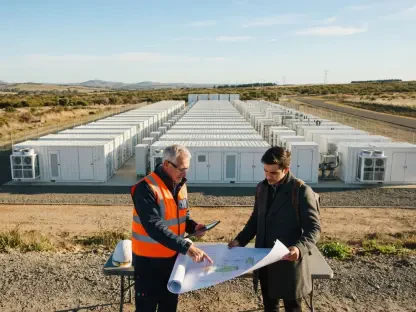
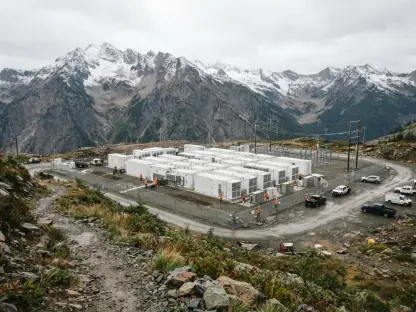
As the automotive industry evolves, the concept of a “second life” for batteries has transitioned from a theoretical possibility to a multibillion-dollar industrial reality. When a battery pack has degraded to the point where it no longer provides the range required for a passenger vehicle, it often still retains 70% to 80% of its original capacity. This makes it an ideal candidate for stationary energy storage, where weight and volume are less critical than they are in a car. This secondary market not only extends the functional life of the battery but also provides a crucial resource for the transition to renewable energy by offering a cost-effective way to store solar and wind power.
Repurposing for Storage
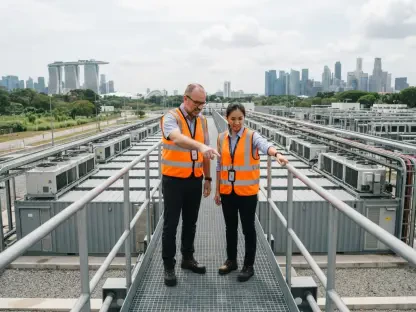
The integration of used EV batteries into the power grid is a game-changer for energy management. These “second-life” systems can be used to smooth out fluctuations in renewable energy production, storing excess power during the day and releasing it during peak demand in the evening. This helps stabilize the grid and reduces the need for fossil-fuel-based “peaker” plants. For commercial and residential users, repurposed batteries offer a more affordable entry point into energy storage compared to brand-new units. This democratization of storage technology is essential for the widespread adoption of decentralized energy systems, allowing more people to maximize the benefits of their own solar installations.
Building these systems involves grouping multiple used battery modules and managing them with a sophisticated secondary Battery Management System (BMS). This “intelligence” layer allows the system to balance the different degradation levels of various modules, ensuring they work together harmoniously. The economic potential of this market is massive, as it creates value from what was previously considered waste. By delaying the recycling process by another five to ten years, second-life applications maximize the utility of the materials used to create the battery in the first place. This strategy is a core component of the EU’s sustainability goals, as it ensures that the environmental impact of battery production is amortized over a much longer functional lifespan.
Obstacles to Scalability
Despite the clear benefits, the second-life industry faces significant technical and economic hurdles that prevent it from reaching its full potential. One of the primary obstacles is the lack of “design for disassembly” in early electric vehicle battery packs. Many older units are held together with strong adhesives or permanent welds, making it extremely difficult to extract individual modules without damaging them. This labor-intensive dismantling process adds significant cost to the repurposing operation, sometimes making it more expensive to prepare a used battery than to simply buy a new one. Manufacturers are now beginning to move toward more modular, bolt-together designs, but the industry must first work through the backlog of older, less-accessible packs.
Another major challenge involves software compatibility and proprietary data. Original equipment manufacturers often lock their battery management software, making it difficult for third-party repurposers to access the internal data needed to safely manage cells in new applications. Without this deep level of access, it is difficult to guarantee the performance and safety of second-life systems. To overcome this, the industry is pushing for greater standardization and the opening of diagnostic interfaces, as mandated by new European regulations. Furthermore, the lack of standardized testing protocols for used batteries has made it difficult to secure insurance and financing for large-scale second-life projects. As the industry matures and new standards like EN 18061:2025 are adopted, these barriers are expected to diminish, clearing the way for a more efficient and scalable market.
The Gray Market Risk
The high residual value of lithium-ion batteries has inadvertently created a shadow economy that poses significant risks to public safety and environmental integrity. As the demand for affordable replacement parts and DIY energy storage grows, an increasing number of batteries are being diverted from official, regulated channels into an unverified “gray market.” This phenomenon is particularly concerning because it bypasses the safety checks and diagnostic rigor that are central to the official circular economy. For the regulators in Brussels and the technicians in the field, tracking these “missing” batteries has become a top priority to prevent future disasters.
Missing End-of-Life Vehicles
Europe faces a persistent problem with “missing” end-of-life vehicles—cars that are deregistered but never show up at authorized dismantling centers. In the era of electrification, this problem has taken on a new dimension, as each missing vehicle represents a high-voltage battery pack that is no longer tracked by the official system. These batteries often end up in unofficial shops or are exported to regions where safety regulations are poorly enforced. This lack of oversight means that batteries that should be recycled due to instability might instead be harvested and resold as “tested” spare parts. The loss of these units from the regulated supply chain not only poses a safety risk but also undermines the material recovery targets essential for Europe’s strategic autonomy.
To combat this, authorities are looking toward more robust vehicle deregistration systems that require proof of delivery to an authorized treatment facility. By closing the loop between the vehicle’s last registration and its final dismantling, the industry can ensure that the majority of high-voltage components remain within the monitored ecosystem. However, the international nature of the automotive trade makes this a complex challenge, as vehicles often cross borders multiple times before they reach the end of their lives. The Digital Battery Passport will play a crucial role here, as a battery without a verifiable digital history will be much harder to sell through legitimate channels. The goal is to make the gray market so economically unattractive and technically difficult that it eventually disappears.
Hazards of Unverified Parts
The use of unverified or “harvested” battery modules in secondary applications presents a severe safety hazard. When a battery is removed from a crashed vehicle or an aging fleet without proper diagnostic testing, its internal state remains unknown. Modules may have microscopic internal damage or dendrite growth that can lead to sudden, spontaneous combustion months after they have been installed in a new system. Without the sophisticated testing equipment used by professional repurposers, it is impossible to detect these latent defects. The DIY stationary storage community, in particular, is at risk, as individuals may unknowingly build large energy storage systems in their homes using modules that are essentially ticking time bombs.
Furthermore, the lack of traceability in the gray market means that there is no accountability when something goes wrong. If a harvested battery causes a fire, there is no way to trace the component back to its origin or to identify who was responsible for its improper handling. This undermines the entire principle of Extended Producer Responsibility and creates a significant legal and financial liability for the industry as a whole. Ensuring that all used batteries pass through a certified “verification” process is the only way to maintain the safety standards that the public expects. As the market for used components grows, the industry must emphasize that a battery’s value is not just in its chemistry, but in the verified data that proves it is safe to use.
Support and Innovation
Navigating the complexities of the new regulatory landscape requires a level of support and innovation that no single company can provide on its own. Collaborative organizations and research initiatives are playing a vital role in bridging the gap between the high-level goals of the European Commission and the practical reality on the shop floor. By providing technical guidance, financial support, and a platform for collaboration, these entities are helping to build the specialized knowledge base that the industry needs to thrive in the era of the circular economy. The transition is as much about education and cooperation as it is about hardware and software.
Bridging the Knowledge Gap
Organizations like ERP Italia have become essential partners for companies striving to comply with the intricate requirements of new battery laws. They provide a structured framework for managing the administrative and financial burdens of Extended Producer Responsibility, allowing manufacturers to focus on their core business while ensuring their environmental obligations are met. These organizations also act as vital information conduits, translating complex European directives into actionable guidance for technicians and business owners. This support is particularly important for smaller players in the aftermarket who may lack the internal resources to keep up with the rapid pace of regulatory change.
Beyond compliance, these collective systems foster a collaborative environment where best practices can be shared across the industry. By organizing training programs and safety workshops, they help create a standardized level of expertise throughout the supply chain. This is critical for ensuring that a battery is handled with the same level of care and precision, whether it is in a major manufacturing plant in Germany or a small independent workshop in Italy. As the hazardous waste designation becomes a reality, this shared knowledge base will be the industry’s most important asset in preventing accidents and maintaining the integrity of the recycling system. The shift toward a professionalized battery management sector is only possible because of this underlying support structure.
Automated Disassembly
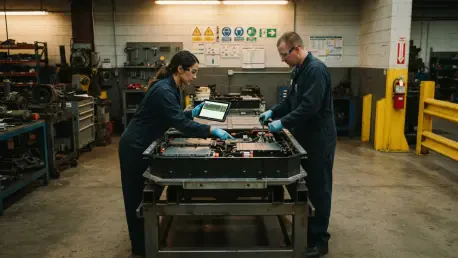
One of the most exciting areas of innovation in the battery sector is the development of automated disassembly systems. Manually dismantling a complex battery pack is a slow, dangerous, and physically demanding task that requires technicians to work in close proximity to high-voltage components. Projects like AUTOMAT are exploring how robotics and artificial intelligence can be used to handle these tasks more safely and efficiently. These systems use advanced sensors to identify different battery models and robotic arms to remove fasteners and components with surgical precision. This not only reduces the risk to human workers but also significantly increases the speed at which end-of-life units can be processed.
Automation also allows for more granular material recovery, as robots can be programmed to separate different types of plastics and metals that might be missed during manual dismantling. This increases the overall value recovered from each battery pack, making the recycling process more economically viable. Furthermore, by integrating digital traceability directly into the robotic disassembly line, the industry can ensure that every component is logged and tracked as it moves through the facility. As these technologies mature and become more affordable, they will likely become a standard feature in high-volume recycling hubs across Europe. The move toward automation is a clear signal that the battery management sector is transitioning from a niche activity to a sophisticated, high-tech industrial powerhouse.
Future Considerations for Industrial Logic
The transition from viewing batteries as simple spare parts to managing them as strictly regulated, high-value assets represents a permanent shift in the industrial logic of the automotive world. As the 2026 hazardous waste reclassification takes full effect, the most successful operators will be those who have already integrated advanced diagnostics, digital traceability, and safety-first logistics into their daily business operations. The industry has moved past the point of treating sustainability as an optional add-on; it is now a mandatory operational requirement that carries significant legal and financial weight for every player in the value chain.
Moving forward, stakeholders must prioritize obtaining “legitimate interest” status to ensure continued access to the critical diagnostic data held within Battery Management Systems. Failing to secure this access will likely result in a complete lockout from the lucrative repair and second-life markets, leaving independent operators at a severe disadvantage. Furthermore, the rising cost of hazardous waste compliance means that businesses must optimize their logistics chains now, investing in the specialized packaging and fire suppression systems that will soon be required by law. The future of the aftermarket belongs to those who view the battery not as a challenge to be overcome, but as a long-term resource to be managed with precision.
As the circular economy matures, the industry should focus on closing the remaining gaps in the domestic refining chain to ensure that the economic value of recovered materials stays within European borders. This requires continued investment in high-volume hydrometallurgical facilities and a commitment to using recycled content in all new battery production. By embracing these changes, the automotive sector will do more than just comply with a set of rules; it will build a more resilient, transparent, and sustainable foundation for the next century of mobility. The transformation of battery management is not just about waste—it is about redefining the value of energy and materials in a finite world.