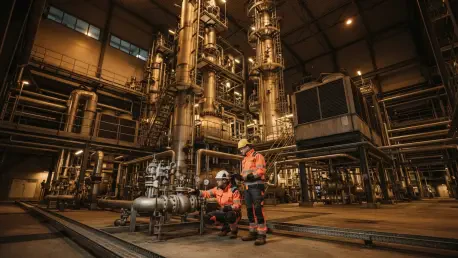

By capturing biogenic carbon dioxide from local combined heat and power plants, the Swedish e-fuel initiative transforms industrial emissions into carbon-neutral transport fuel while marking a fundamental shift in how Northern Europe approaches the decarbonization of heavy industries that have long struggled to move away from liquid petroleum. Sweden has positioned itself at the vanguard of this movement by merging advanced chemical engineering with its vast natural resources. As the global community looks for scalable solutions to mitigate climate change, the emergence of massive e-fuel production facilities in Umeå and Örnsköldsvik serves as a blueprint for the future of synthetic fuels. These sites represent more than just individual projects; they are the cornerstone of a new industrial era where carbon is treated as a valuable feedstock rather than a waste product. By integrating renewable power directly into the fuel supply chain, the nation is creating a resilient energy model that can withstand geopolitical shocks and fluctuating fossil fuel prices.
Scaling Power-to-X for Industrial Applications
The production of e-methanol at these newly developed Swedish facilities utilizes a sophisticated Power-to-X methodology, which effectively converts renewable electricity into a versatile liquid energy carrier. Each plant is projected to produce approximately 100,000 tonnes of e-fuel annually, establishing a robust and reliable supply for sectors like heavy shipping and aviation that are notoriously difficult to electrify through battery technology alone. This process synthesizes green hydrogen, derived from water electrolysis, with captured biogenic carbon dioxide to create a high-density liquid fuel. Because e-methanol is chemically similar to conventional fuels, it fits seamlessly into the world’s existing transport infrastructure and internal combustion engine technologies. This compatibility is a critical advantage, as it allows for immediate decarbonization without the need for a costly and time-consuming overhaul of global maritime fleets or aviation systems.
Beyond the technical specifications, the industrialization of e-fuel production addresses a massive and growing global market demand for sustainable alternatives. International regulations are tightening rapidly, forcing logistics companies and airline operators to significantly reduce their carbon footprints within the next decade. The European Union has been particularly aggressive in implementing mandates that favor drop-in fuels like e-methanol, which provide a low-carbon profile without sacrificing performance or range. By moving from pilot-scale demonstrations to these massive industrial-grade production hubs, Sweden is proving that synthetic fuels are commercially viable and technically ready for widespread adoption. This development not only helps individual companies meet their environmental targets but also strengthens European energy security. By producing fuels locally, the region reduces its dependence on foreign oil imports and creates a more stable economic environment.
Strategic Regional Infrastructure and Partnerships
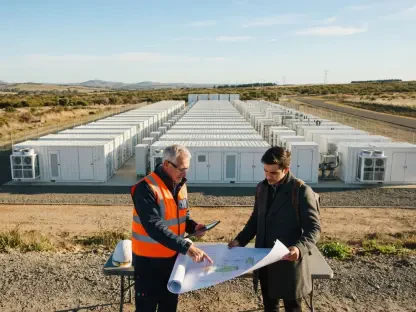
The selection of Northeast Sweden as the primary hub for this initiative was a strategic decision driven by the region’s unique combination of industrial and natural assets. Northern Sweden offers an abundant and reliable supply of renewable electricity, primarily generated from established hydroelectric dams and expanding wind farms. This clean energy is the lifeblood of the electrolysis process, ensuring that the hydrogen produced is truly green. Furthermore, the presence of local combined heat and power plants, such as the facility in Hörneborg, provides a steady and concentrated stream of biogenic carbon dioxide. This biogenic source is essential because it originates from organic matter, meaning the carbon it releases was already part of the natural atmospheric cycle. When this CO2 is captured and converted into fuel, the resulting energy product remains carbon-neutral, effectively closing the loop in a circular carbon economy.
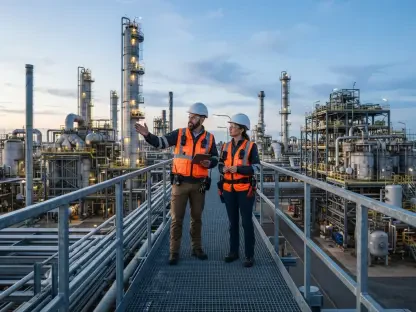
The complexity of these projects requires a multi-tiered collaboration model involving technology providers, developers, and local utilities to ensure long-term operational success. Liquid Wind serves as the lead developer, managing the entire project lifecycle from site selection to the final investment decision. They are joined by thyssenkrupp Uhde, which brings essential chemical engineering expertise as the engineering and construction partner. This partnership ensures that the facilities meet the highest industrial standards for safety and reliability. At the local level, municipal companies like Umeå Energi and Övik Energi are indispensable, providing the physical land, necessary grid connections, and the biogenic carbon required for production. This integrated approach ensures that every link in the supply chain is optimized for efficiency and sustainability. By aligning the interests of private industry with local public utilities, the projects gain a stable foundation.
Long-Term Economic Growth and Climate Goals
The establishment of these large-scale production facilities was expected to provide a significant boost to the regional economy by attracting billions in investment and creating hundreds of high-skilled industrial jobs. As the projects moved through the development phase, they revitalized the long-standing industrial tradition of Northern Sweden while introducing modern, sustainable technologies to the local workforce. This economic revitalization was not limited to the construction phase; rather, it established a permanent ecosystem of innovation and maintenance that will support the region for decades. For many local communities, these plants represented a path toward a greener future that did not require the abandonment of their industrial roots. Instead, the transition to e-fuel production allowed them to repurpose existing infrastructure and expertise to meet the demands of the 21st century. This synergy between tradition and innovation proved to be a powerful driver for regional growth.
Looking ahead, the focus shifted toward securing the final investment decisions for subsequent phases, with the Umeå facility targeting a critical milestone by late 2027. The environmental impact of these efforts was profound, as the combined output of 200,000 tonnes of e-methanol substantially reduced greenhouse gas emissions compared to fossil-based fuels. This progress was instrumental in helping Sweden reach its national climate goals while setting a global benchmark for the successful adoption of Power-to-X technologies. To ensure continued success, future considerations must include the expansion of the carbon capture network and the further integration of e-fuels into the heavy trucking industry. Leaders in the sector are now exploring ways to further optimize the energy efficiency of the electrolysis process to lower costs even more. By maintaining this momentum, Sweden demonstrated that large-scale decarbonization is not only a technical possibility but an economic opportunity that can redefine the global energy landscape.