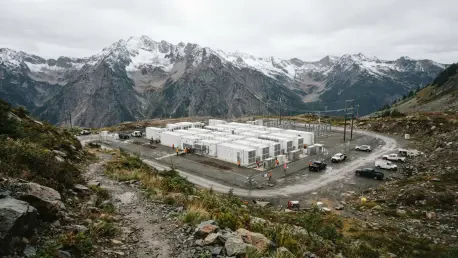

High above the Austrian landscape, where the air thins and the weather shifts with a violent unpredictability, the traditional energy grid often struggles to maintain a consistent flow of power from volatile renewable sources. This geographical challenge recently became the testing ground for a sophisticated technological marriage between massive battery storage and diverse green energy generation at the KALS Energie Kraftwerk facility. By integrating advanced energy storage systems at an elevation of 2,400 meters, engineers successfully bridged the gap between intermittent supply and the rigid demands of the modern electricity market. The project serves as a definitive case study in how remote regions can transition from being passive energy contributors to becoming highly active, responsive nodes within a larger national infrastructure. This shift is not merely about storage but about the intelligent orchestration of power in environments that were once considered too hostile for complex electronics and high-end battery systems.
Engineering for High-Altitude Integration
The SUNSYS HES XXL Deployment
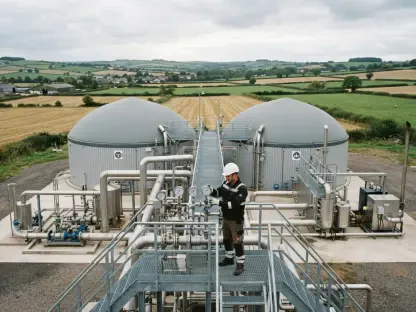
The centerpiece of the technical overhaul at the Tyrolean site is the installation of the Socomec SUNSYS HES XXL, a battery energy storage system designed to handle the rigorous demands of large-scale utility operations. With an output power of 1.5MVA and a massive storage capacity of 3.3MWh, this unit provides the necessary buffer to manage the spikes and troughs inherent in high-altitude energy production. The system operates with a high round-trip efficiency of approximately 90%, ensuring that the energy captured from the environment is not wasted through conversion losses or thermal dissipation. Beyond the hardware itself, the integration utilized a sophisticated external energy management system that communicates with the hardware in real-time. This allows the facility to redistribute electricity within milliseconds, a critical requirement for participating in modern frequency regulation markets where response speed is a primary factor in determining the financial value of the stored energy.
Hybrid Power Synergy
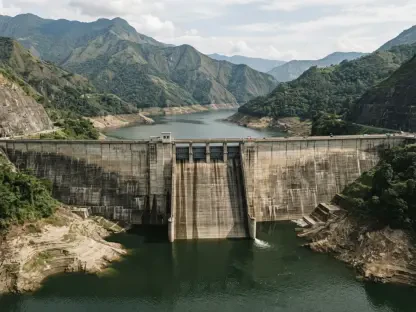
Successfully optimizing alpine energy requires a holistic approach that moves beyond single-source generation, leading to the creation of a powerful hybrid framework at the KALS facility. The existing 847kW hydroelectric plant, which relies on the steady but seasonal flow of mountain water, now works in tandem with a 400kW solar array that captures intense high-altitude sunlight. This combination allows the battery system to draw from whichever source is most productive at any given moment, effectively smoothing out the generation profile of the entire site. By creating this multilayered energy ecosystem, the project has demonstrated that different renewable technologies can complement each other’s weaknesses when mediated by a high-capacity storage system. The resulting output is far more predictable and valuable than what could be achieved by either source operating in isolation. This synergy has essentially transformed a variable mountain stream and a sun-drenched slope into a dispatchable and reliable power plant.
Resilience and Commercial Impact
Enduring Extreme Alpine Conditions
Operating sensitive electronics at 2,400 meters presents a unique set of environmental hurdles that would quickly degrade standard industrial equipment. The Tyrolean installation must withstand temperature swings from a freezing -18°C to a relatively mild +25°C, all while contending with humidity levels that frequently reach saturation at 100%. To combat these factors, engineers employed a high-durability design featuring specialized UV-resistant coatings and advanced thermal management systems to protect the internal battery chemistry. This focus on physical resilience ensures that the system maintains its performance despite relentless exposure to harsh alpine climate conditions and low atmospheric pressure. This durability is not just a matter of operational continuity; it is a critical component of the long-term financial model, as it minimizes maintenance overhead and prevents premature degradation. This successful deployment proves that the risks of high-altitude storage are manageable with correct engineering.
Strategic Pathways for Grid Adoption
The integration of the SUNSYS HES XXL system provided a clear roadmap for the commercialization of remote renewable assets through 2026 and beyond. By injecting up to 107MWh of electricity into the grid monthly, the facility moved toward a projected payback period of only five to six years, showcasing the immediate fiscal benefits of the investment. Stakeholders leveraged the flexibility of the storage units to tap into new revenue streams, including both positive and negative balancing energy services that helped stabilize the local grid during periods of peak demand or oversupply. Decision-makers in the energy sector looked toward these results as evidence that hybrid storage configurations could successfully transition volatile green energy into reliable power. To replicate this success, developers prioritized the adoption of intelligent management software and hardware durability in their strategic planning. This project effectively demonstrated that the future of energy requires a shift toward localized storage.