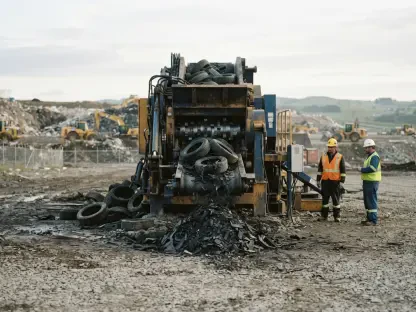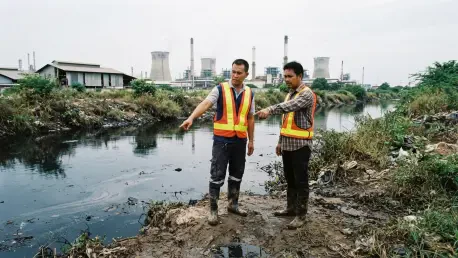

The Strong Prachin Network warns that toxic runoff from industrial zones threatens to contaminate tens of thousands of hectares of farmland, jeopardizing the nation’s food security. This alarm follows a series of environmental catastrophes in central Thailand, where heavy rains and flooding have unmasked the dangerous underbelly of the country’s booming recycling industry. In Prachin Buri, a primary industrial hub hosting over 150 waste-processing plants, floodwaters recently carried a vibrant, multicolored chemical slick into public waterways, resulting in mass fish die-offs and sparking panic among residents. These events have transformed the province into a focal point for national concern, illustrating how the rapid expansion of facilities handling electronic and plastic waste has outpaced environmental safeguards. Local communities, who have long suspected upriver facilities of illegal dumping, now face the physical evidence of contamination that threatens their health and livelihoods, demanding an immediate reevaluation of the nation’s waste management strategies.
Global Trade Dynamics: The Influx of Foreign Waste
Since China implemented a comprehensive ban on hazardous waste imports in 2018, Thailand has rapidly emerged as a primary destination for the world’s discarded materials. This geopolitical shift forced global waste traders to seek new markets with more lenient regulations, and Thailand’s proximity to major shipping routes made it an attractive candidate. While the nation ratified the Basel Ban Amendment in 2023 to prohibit the import of hazardous waste from developed countries, significant domestic loopholes have remained active. Organizations like the Ecological Alert and Recovery Thailand foundation have observed that the country has effectively transitioned into a global dumping ground. The influx is not merely a result of geographical convenience but is deeply rooted in the structural weaknesses of local environmental oversight, which failed to adapt as the volume of international scrap metal and electronic components surged to unprecedented levels, overwhelming the capacity of customs and environmental agencies.
The persistence of this waste influx is driven by a complex web of legal discrepancies and tariff exemptions embedded within regional trade agreements. Free trade agreements with major economies, including China and Japan, provide specific exemptions for various categories of scrap, allowing them to bypass the more stringent controls applied to hazardous materials. Furthermore, the World Customs Organization’s Harmonized System codes, particularly those related to plastic scrap, allow these materials to enter the country duty-free, creating a powerful economic incentive for local processing plants to prioritize foreign waste over domestic management. These incentives led to a doubling of plastic waste imports in the years leading up to the current crisis. Similar exemptions apply to dead batteries and discarded electrical components, which are often intentionally mislabeled as recyclable raw materials by unscrupulous importers to evade environmental inspections and higher taxes at the border.
Systemic Vulnerabilities: The Legacy of Regulatory Erosion
A significant portion of the current environmental crisis stems from historical policy shifts that prioritized rapid industrial expansion over long-term ecological safety. Between 2014 and 2019, mandates issued by the military-led government allowed waste-to-energy plants, landfills, and recycling centers to bypass established town planning laws and environmental impact assessments. This era of deregulation permitted the construction of high-risk facilities in areas previously deemed unsuitable for industrial activity, often in close proximity to residential communities and vital agricultural lands. By removing the traditional checks and balances of urban planning, the government inadvertently created a precarious environment where industrial runoff could directly threaten the food chain. The legacy of these decisions is visible today in provinces like Samut Prakan and Rayong, where thousands of plants operate within a legal framework that was designed to accelerate growth rather than ensure the safety of the surrounding environment.
Modern enforcement efforts are currently struggling to keep pace with the massive scale of non-compliance discovered during recent nationwide inspections. Government sweeps led by the Ministry of Industry targeted over 3,000 high-risk plants, revealing staggering rates of violation. In some industrial zones, inspections showed that non-compliance with the Factory Act reached as high as 92%, with facilities operating without proper permits or failing to implement required waste treatment systems. While authorities have begun issuing criminal charges and suspending the operations of the most egregious offenders, environmentalists argue that these actions only address the symptoms of a much deeper problem. The lack of a comprehensive “cradle-to-grave” tracking system makes it nearly impossible for inspectors to monitor the lifecycle of hazardous materials, allowing many operators to continue their activities in the shadows, despite the occasional high-profile crackdown or administrative suspension.
Future Trajectories: Implementing Accountability and Restoration
The shadow economy of waste smuggling continues to thrive through a combination of deception and insufficient border oversight, complicating efforts to restore environmental balance. Smugglers frequently mislabel hazardous cargo as used appliances or scrap metal to evade customs, a tactic that has resulted in the seizure of nearly 10,000 tons of smuggled waste in the current fiscal cycle. This gray trash economy is fueled by international investors who utilize local intermediaries and substandard processing plants as fronts to avoid the high costs associated with responsible toxic waste disposal. When electronic waste is processed without proper safeguards, such as through open smelting or crude crushing, it releases heavy metals and persistent organic pollutants into the soil and air. The absence of a robust tracking mechanism means that once these materials enter the country, they often disappear from the regulatory radar until they reappear as contaminants in the local groundwater or agricultural produce.
To address these systemic issues, the government moved forward with several critical legislative reforms aimed at closing regulatory gaps and enforcing the Polluter Pays Principle. Stakeholders reached a consensus on the necessity of the Industrial Waste Management Bill, which sought to increase fines for illegal dumping from nominal amounts to tens of millions of baht. Furthermore, advocates pushed for the enactment of the Waste Electrical and Electronic Equipment Act to enforce extended producer responsibility, holding manufacturers accountable for the entire life cycle of their products. This shift toward transparency was supported by the proposed Pollutant Release and Transfer Register law, which aimed to provide the public with clear data regarding the types of chemicals released by nearby facilities. By focusing on these structural changes, the nation began the difficult process of moving away from its role as a global waste destination and toward a more sustainable industrial future that prioritized public health and ecological integrity.