
Faced with an escalating “mountain of tires” and the inevitable depletion of landfill space, the Kenai Peninsula Borough is currently executing a multifaceted administrative strategy designed to modernize regional infrastructure while simultaneously tightening fiscal policies to ensure long-term stability. This transition represents a significant shift from reactive maintenance to a proactive, data-driven governance model that addresses the logistical complexities of a growing subarctic region. By integrating advanced waste processing technologies with more rigorous oversight of healthcare and social services, the Assembly is attempting to build a framework that balances immediate community needs against the pressures of inflation and aging facilities. This legislative push is characterized by a commitment to transparency and operational efficiency, aiming to optimize existing resources without placing an undue burden on the local tax base. As the region navigates these changes, the focus remains on building resilience.
Modernizing Solid Waste: Technological and Fiscal Resilience
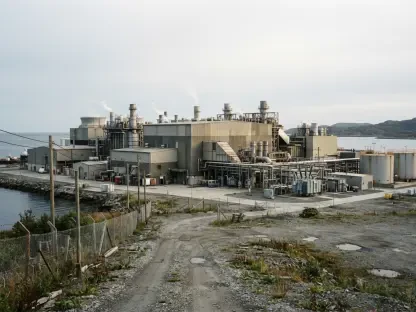
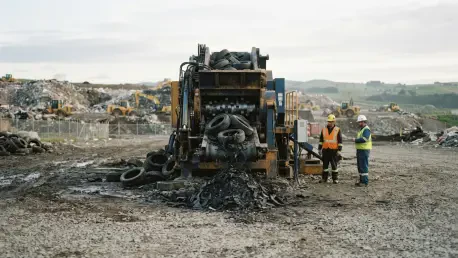
At the center of the borough’s environmental strategy is a substantial $1.3 million investment in a mobile tire shredder, a move necessitated by the unsustainable accumulation of rubber waste at the Central Peninsula Landfill. Previously, these bulky items were buried whole, a practice that consumed valuable space and threatened the long-term viability of existing landfill cells. By acquiring heavy-duty machinery capable of reducing the volume of discarded tires by approximately 70%, the administration is extending the functional life of its primary waste facility near Soldotna. This technological upgrade was funded in part by federal Local Assistance and Tribal Consistency Fund grants, which allowed the borough to absorb higher-than-expected manufacturing costs and inflationary pressures without immediate local tax increases. Beyond mere disposal, officials are investigating how shredded rubber can be repurposed for regional drainage projects or as a protective layer for gas collection pipe insulation.
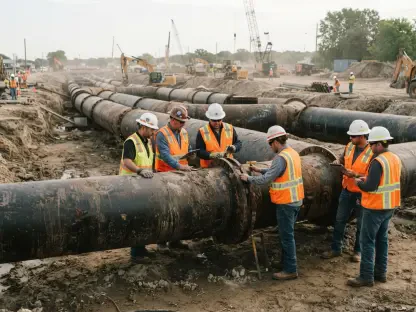
Supporting these technological advancements requires a parallel adjustment of the borough’s fiscal structure, specifically regarding how commercial entities contribute to waste management costs. Because previous attempts to secure a public-private partnership for tire processing did not materialize, the Assembly is moving toward a revised fee schedule that targets large-scale retailers and industrial generators of rubber waste. Currently categorized as inert material, these items will likely see a per-ton price increase to reflect the operational costs of shredding and specialized handling. In addition to waste processing, the borough is addressing critical drainage infrastructure by allocating $60,000 for the expansion of a stormwater detention basin at the landfill site. This expansion is essential to replace temporary pumping workarounds that have been in place since a previous system failed. Ensuring proper runoff management is vital for regulatory compliance through 2027.
Public Service Management: Healthcare and Facility Maintenance
The borough’s role in regional health is undergoing a period of deliberate refinement as officials negotiate the future management of the Central Peninsula General Hospital. Rather than allowing existing contracts to renew automatically, the Assembly recently approved an 18-month extension of the operating agreement with the hospital’s management corporation, pushing the deadline to June 30, 2027. This extension provides the necessary time to modernize the contractual framework, ensuring it reflects current healthcare demands and fiscal realities while maintaining high standards of patient care. This cautious approach is mirrored in the social services sector, where the borough has increased its financial oversight following leadership transitions at community organizations. A recent appropriation for a comprehensive audit of Nikiski Senior Citizens Inc. underscores a commitment to transparency. By mandating rigorous financial reviews of organizations receiving funding, the borough ensures that every dollar is utilized effectively.
Infrastructure reliability remains a primary concern for the Assembly, leading to a hybrid maintenance strategy that combines internal labor with specialized external audits. Recent systemic failures in the heating and ventilation units at North Peninsula Recreation facilities prompted a two-part response involving both borough maintenance staff and the technology firm Siemens. While local crews handle physical repairs of unit ventilators, Siemens is tasked with auditing the digital control systems to identify and correct the root causes of the collapse, preventing similar issues in the future. This move toward preventive monitoring is part of a wider effort to safeguard public assets and ensure the continuity of recreational services. Similarly, the borough is enhancing public safety capabilities in the Bear Creek Fire Service Area through the acquisition of advanced LIFEPAK 15 cardiac monitors. These diagnostic tools represent a significant upgrade in emergency medical response on-site.
Collaborative Infrastructure: Future Operational Directives
Transportation logistics across the Kenai Peninsula present unique challenges due to the fragmented nature of service providers, which often operate in isolated silos with independent fleets and client bases. The Assembly has begun addressing this lack of coordination by strictly ranking state grant priorities, with a heavy emphasis on supporting year-round services like those provided by Seward City Transit. While the borough supports these funding applications, officials have noted that long-term sustainability will require a more integrated approach where municipal and non-profit providers share resources and information. This strategy aims to reduce redundancy and improve the overall efficiency of the transit network, ensuring that residents in remote areas have reliable access to essential services. Although the final funding decisions rest with state authorities, the borough’s internal prioritization process serves as a roadmap for regional connectivity improvements throughout the remainder of the decade.
The recent legislative actions taken by the Kenai Peninsula Borough Assembly established a clear trajectory for regional development by prioritizing sustainable technology and fiscal responsibility. These decisions effectively shifted the administrative focus away from short-term fixes and toward a more comprehensive management philosophy that integrated environmental protection with public service stability. By addressing the immediate crisis of tire accumulation and hospital contract modernization, officials successfully mitigated risks that could have compromised the borough’s financial health in subsequent years. Moving forward, the focus should remain on finalizing the integration of mobile shredding technology into operations while launching a broader waste-reduction campaign. Stakeholders must also prioritize the creation of a unified transportation task force to break down service silos and improve transit equity. By maintaining this commitment to data-driven oversight, the borough prepared itself for the complexities of future growth.