
As the Performance-based Regulation Review Act moves through the legislature, the focus remains on whether IRAC can meet its tight deadline to modernize provincial energy law. The Prince Edward Island government has taken a calculated step by formally delaying the implementation of massive electricity reforms, choosing instead to initiate a period of rigorous analysis by the provincial regulator. Under the leadership of Energy Minister Jill Burridge and the administration of Premier Dennis King, this legislative maneuver marks a clear pivot in the timeline for restructuring how electric utilities are governed within the province. The move prioritizes the Performance-based Regulation Review Act, which directs the Island Regulatory and Appeals Commission (IRAC) to conduct a comprehensive feasibility study. This study is designed to explore a fundamental shift from the long-standing “cost-of-service” model to a more modern “performance-based” management system. By electing to study the transition rather than implement it immediately, the government seeks to ensure that the regulatory framework for Maritime Electric, the primary utility provider, is robust enough to handle the complex demands of a modern energy grid while maintaining economic stability for Island residents.
Understanding the Regulatory Shift
Comparing Management Models
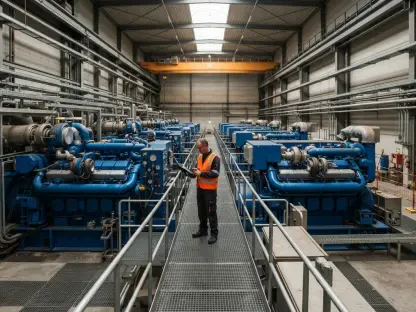
The primary tension in the current debate stems from the inherent flaws within the “cost-of-service” model that has traditionally governed Maritime Electric. Under this established framework, the utility is essentially guaranteed a return on its capital investments, with costs being passed directly to ratepayers. Critics argue that this creates a perverse incentive for the utility to focus on large, expensive infrastructure projects—a practice often referred to as “gold-plating.” For instance, when a utility proposes massive projects like the Charlottetown diesel turbine, the financial structure rewards the capital expenditure regardless of whether a more efficient or cost-effective alternative exists. This model naturally leans toward asset accumulation because the utility’s profit is a percentage of its rate base. Consequently, the provincial government has expressed concern that the existing system prioritizes corporate growth and expensive hardware over the actual needs of the consumer, leading to higher electricity bills and a grid that may not be optimized for the future.
In contrast, the proposed “performance-based” management system is designed to flip this incentive structure by aligning utility earnings with specific outcomes that benefit the public. Rather than simply rewarding the utility for building more infrastructure, this model establishes clear performance targets related to grid reliability, consumer affordability, and environmental milestones. If the utility meets these goals, such as reducing the frequency of power outages or successfully integrating renewable energy sources, it is eligible for financial rewards. Conversely, failure to meet these benchmarks results in financial penalties. This transition aims to turn the utility into a performance-driven entity where the bottom line is tied to efficiency and service quality rather than the sheer volume of capital spending. Minister Burridge has highlighted that while this model is theoretically superior for the public interest, the government must ensure that the transition does not trigger unexpected price spikes for Islanders who are already facing rising costs of living across the province.
Shifting Political Commitments
The current trajectory of electricity reform reflects a significant departure from earlier, more aggressive timelines proposed by the provincial government. In early 2024, the administration initially indicated that performance-based reforms would likely be introduced during the spring 2026 legislative session. This timeline appeared to accelerate when the previous Energy Minister, Sidney MacEwen, expressed a desire to have legislation finalized even sooner. However, after a series of cabinet shuffles and the eventual appointment of Jill Burridge to the energy portfolio in late 2024, the administration’s stance shifted toward a more cautious and methodical approach. The government now confirms that actual regulatory changes will not be implemented until at least the spring of 2027. This extension is being framed as a period of necessary due diligence, reflecting a broader political commitment to stability over speed. The administration maintains that the complexity of the energy market requires a deep evidentiary base to avoid the pitfalls of a rushed legislative fix that could destabilize the provincial economy.
This change in timing also mirrors the internal institutional shifts within the provincial cabinet and the evolving priorities of the government. As the energy portfolio transitioned through multiple hands, the emphasis moved toward understanding the long-term implications of performance-based regulation on a small, interconnected grid like Prince Edward Island’s. The delay allows the government to distance itself from the immediate political pressure of previous years while positioning the upcoming IRAC study as the definitive foundation for future law. By pushing the implementation into 2027, the government is essentially betting that a more thorough preparation phase will lead to more sustainable results. This strategy is intended to address the concerns of stakeholders who feared that a rapid transition might overlook the technical nuances of utility management. However, the decision has also sparked concerns about whether the momentum for reform will survive such a long lead time or if the delay will lead to a loss of public interest in the oversight of Maritime Electric.
Institutional Roles and Challenges
The Mandate for IRAC
The Performance-based Regulation Review Act places the responsibility for the transition’s success squarely on the shoulders of the Island Regulatory and Appeals Commission. IRAC is now under a strict six-month mandate to analyze and recommend how performance-based regulations should be applied to Maritime Electric. The legislation outlines several critical public policy factors that the Commission must prioritize, including the protection of ratepayers and the maintenance of “just and reasonable” rates. Furthermore, the study must align with provincial climate goals by incorporating emissions reduction targets into the regulatory framework. This dual mandate—balancing the financial viability of the utility with the affordability and environmental expectations of the public—represents one of the most complex technical challenges the Commission has ever faced. The government argues that legislating this study is the only way to ensure that the work is completed within a firm, predictable timeframe that allows for legislative action in the coming years.
Despite the clear legislative directive, the delegation of this task to IRAC has met with institutional resistance and logistical skepticism. The Commission has historically operated as a quasi-judicial body, interpreting existing laws rather than engaging in the proactive creation of policy. IRAC has expressed concern that moving into the realm of policy design could compromise its impartiality in future rate hearings. Furthermore, the CEO of Maritime Electric, Jason Roberts, has pointed out that the six-month window may be insufficient given the Commission’s current workload and ongoing internal restructuring. The complexity of designing a system that accurately rewards efficiency without penalizing necessary maintenance requires a depth of data that may be difficult to aggregate and analyze in such a short period. This tension between the government’s need for a quick roadmap and the regulator’s traditional role suggests that the next few months will be a period of significant institutional friction as IRAC navigates its expanded mandate.
Critique and Consensus
The government’s decision to delay implementation has drawn sharp criticism from opposition parties, who view the feasibility study as a form of political procrastination. Critics, including Green MLA Peter Bevan-Baker and Liberal MLA Robert Henderson, have argued that the administration is “kicking the can down the road” rather than tackling the utility’s monopolistic tendencies head-on. They suggest that the government already possesses enough information to move forward with performance-based reforms and that the delay only prolongs the financial burden on residents who are struggling with high energy rates. From their perspective, the reliance on IRAC—a body that has been the subject of previous government criticism—is a tactical move to shift accountability away from the Ministry. They contend that the “habit of government” to commission endless reviews serves as a barrier to actual progress, preventing the province from achieving the grid modernization it desperately needs to meet its environmental and economic targets.
Ultimately, while the political debate remains heated, a broader consensus has emerged regarding the inadequacy of the current system. Stakeholders across the spectrum, including the utility provider itself, acknowledged that the “cost-of-service” model was an artifact of a different era. The legislative journey of the Performance-based Regulation Review Act highlighted a shared recognition that Prince Edward Island required a more sophisticated regulatory toolkit to manage the complexities of the modern grid. The path forward demanded a delicate balance between swift reform and economic caution, a challenge that the government sought to address through rigorous study. By the time the IRAC report was scheduled for delivery, the province stood at a crossroads, needing to decide whether to embrace a performance-driven future or continue with traditional structures. Moving forward, the government must ensure that the insights gained from this study translate into actionable policies that prioritize transparency, consumer protection, and long-term sustainability for all Islanders.