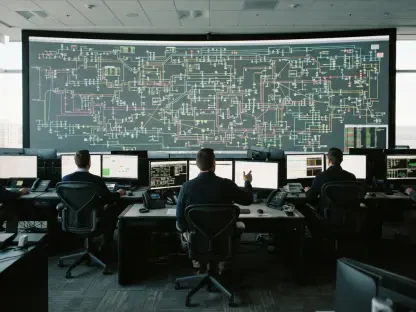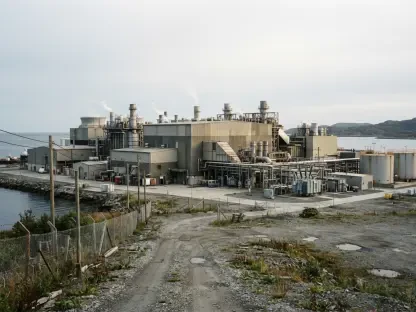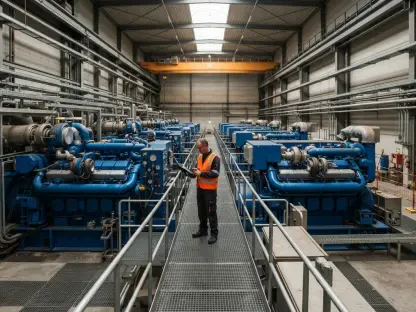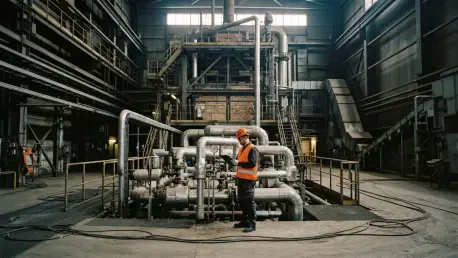

Physics-based AI is emerging as a critical tool for operators needing to quantify the physical impact of thermal stress and fatigue on high-pressure piping in real-time. This technology arrives at a pivotal moment for the United Kingdom’s energy-from-waste sector, which remains a cornerstone of the national energy strategy despite receiving less public attention than wind or solar arrays. Currently, these facilities provide a consistent baseload of approximately 10 terawatt-hours of electricity annually, a figure that rivals the national output of solar infrastructure. Beyond simple power generation, these plants are essential to the broader circular economy, effectively diverting millions of tons of waste from landfills and preventing the release of methane. This reliable energy source is increasingly vital for high-demand industrial hubs and data centers that require constant, high-volume power that the traditional grid often struggles to supply with intermittent renewable sources.
Navigating the Challenges: Infrastructure Stress and Asset Risks
The business model of these facilities creates a unique operational dichotomy that complicates standard engineering practices. Most plant operators originate from waste management backgrounds rather than pure energy production, which influences how they view revenue streams like gate fees and energy sales. To maintain profitability and honor waste disposal contracts, these plants must operate furnaces around the clock, often pushing components to their mechanical limits. Unlike a gas-fired power plant that utilizes a consistent fuel source, the fuel in an energy-from-waste facility is a highly variable mix of household and commercial refuse with wildly fluctuating chemical compositions. This inconsistency creates volatile combustion environments that induce extreme thermal stress on critical infrastructure, including high-pressure piping, steam turbines, and generators. The resulting degradation is often accelerated compared to traditional power plants, necessitating a more sophisticated approach to monitoring.
Traditional monitoring methods frequently fail to address the cumulative damage inherent in these high-intensity environments. Many facilities currently rely on reactive sensors that only trigger alerts once a specific temperature or pressure threshold is breached, which often happens too late to prevent long-term fatigue. These conventional data systems tend to use historical poor behavior as a baseline for performance, creating a dangerous blind spot for engineering teams regarding the actual remaining life of their assets. Without a way to quantify the physical damage caused by cycles of thermal stress or the combustion of high-calorie waste, operators are left guessing when a component might fail. This uncertainty leads to unplanned downtime, which not only disrupts the supply of electricity to the national grid but also jeopardizes the fulfillment of waste processing contracts. Moving away from these antiquated reactive models is now a primary goal for the modern energy sector.
Implementing Change: Adopting Physics-Based AI Solutions
To overcome the limitations of standard data analytics, the industry is shifting toward physics-based AI, which offers a deeper understanding of mechanical integrity. Unlike common artificial intelligence that searches for patterns in data without context, this hybrid technology integrates real-time sensor readings with comprehensive thermodynamic and mechanical models. By simulating the actual physical laws that govern the behavior of metals and fluids under extreme pressure, this approach allows operators to see the invisible effects of thermal stress as they occur. This technology provides a transparent view of accumulated hardware damage, allowing engineers to move beyond simple data points to actionable insights. By bridging the gap between raw information and mechanical reality, physics-based AI transforms how operators interact with their machinery, providing a level of foresight that was previously impossible with traditional monitoring equipment.
This level of engineering intelligence facilitates a vital transition from rigid, time-based maintenance schedules to a proactive, data-driven strategy. Operators can now evaluate precisely how specific events, such as rapid startups or emergency shutdowns, impact the longevity of critical high-pressure components. By understanding the mechanical cost of these operational decisions, plants can balance short-term production goals with the long-term necessity of asset preservation. Maintenance can be targeted specifically where it is most needed based on real-time fatigue calculations, rather than adhering to a generic calendar that might ignore hidden wear or suggest unnecessary repairs. This optimization significantly reduces the risk of catastrophic failures and ensures that the facility remains a reliable contributor to the national grid. Ultimately, this precision management allows for a higher return on investment by extending the operational lifespan of the most expensive hardware.
Future-Proofing Assets: Integrating Carbon Capture Technology
The transition toward a net-zero economy has introduced a rigorous new era of regulatory requirements that the sector must navigate successfully. The UK government has committed significant capital to support Carbon Capture, Utilization, and Storage projects, signaling that decarbonization is an essential component of national energy policy. By February 2026, the Environment Agency has mandated that environmental permits for new or refurbished combustion plants must include proof of decarbonization readiness. This regulatory shift is compounded by the upcoming inclusion of the waste sector in the UK Emissions Trading Scheme, which will place a direct financial price on carbon emissions. Consequently, the adoption of carbon capture technology is no longer just an environmental goal but a commercial necessity for long-term survival. Operators must now find ways to integrate these complex systems without compromising the core reliability of their existing power generation assets.
Integrating carbon capture technology presents significant engineering hurdles that can fundamentally alter the thermal balance of an existing plant. Retrofitting these systems often requires diverting heat and steam, which places additional strain on high-temperature components and can accelerate existing wear patterns. Physics-based AI provides a critical safeguard during this complex process by allowing engineers to model the effects of carbon capture integration long before any physical modifications begin. These simulations identify potential bottlenecks and areas prone to accelerated fatigue, providing the technical evidence needed to negotiate equipment specifications and warranties with contractors. By using high-fidelity modeling to navigate these retrofits, operators can prevent the premature failure of core components during the transition to greener operations. This proactive approach ensures that the pursuit of environmental targets does not lead to operational instability or financial loss during the implementation phase.
Strategic Evolution: Achieving Operational Longevity
The evolution of the sector reflects a broader shift from basic waste disposal to a sophisticated, technology-driven energy production model. Past results from facilities that prioritized engineering intelligence suggested that the primary differentiator between successful and struggling plants was the ability to predict mechanical failure before it occurred. The journey through the early stages of 2026 demonstrated that the industry needed to move past simple data collection to embrace full physical simulations. Operators who utilized these advanced tools found they were able to maintain higher availability rates even when faced with the volatile fuel sources inherent in waste processing. This transition highlighted that the most effective way to manage a facility was to treat the entire operation as a dynamic thermodynamic system rather than a series of isolated components. Stakeholders realized that the integration of artificial intelligence was not merely an optional upgrade but a fundamental requirement for modern energy security.
Actionable insights gained during this period showed that the successful integration of green technologies required a rigorous overhaul of maintenance protocols. The industry concluded that the best path forward involved prioritizing real-time fatigue monitoring to protect assets from the increased stresses of carbon capture systems. Decisions were made to invest in digital twins that could simulate the impact of high-calorie waste cycles on boiler metallurgy, which proved to be a decisive factor in preventing unplanned downtime. These steps confirmed that the long-term viability of the energy-from-waste sector depended on a data-driven approach to mechanical integrity. Future considerations highlighted the necessity of cross-industry collaboration to standardize the way thermal stress is measured across the national fleet. By following these established paths, operators secured their role in the circular economy, ensuring that their facilities remained productive and compliant within the tightening constraints of the modern energy market.