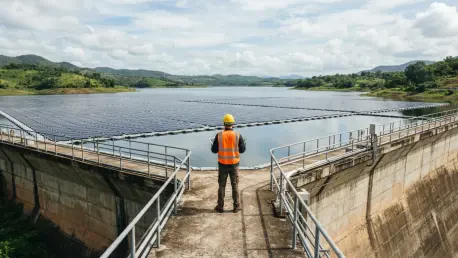

Regulatory frameworks in regions like Continental Europe may trigger a full concession review if material changes are made to a hydropower site, underscoring the significant legal and commercial barriers developers face when modernizing legacy water assets. For nearly a century, hydropower functioned as a predictable, high-volume energy source operating under rigid, long-term permits designed for a simpler era in the power industry. Today, however, the rise of intermittent renewable energy has shifted the electricity market, placing an immense premium on flexibility rather than just raw generation. As wind and solar continue to saturate the grid with variable power, the ability to rapidly ramp generation up or down has become the most valuable service an operator can provide. This market shift is the primary driver behind the hybridization movement, where traditional dams are being transformed into multi-technology energy hubs. By layering solar photovoltaics and battery storage on top of existing water infrastructure, owners can mitigate the inherent volatility of weather-dependent power. However, bridging the gap between old-world water management and modern energy storage is not merely a task for engineers; it involves a complex negotiation between regulatory compliance, commercial strategy, and ecological stewardship.
Distinguishing Between Site Co-location and Advanced Integration
A fundamental starting point for any developer in this space is understanding the distinction between simple co-location and true technical hybridization. Co-location is primarily a physical arrangement where multiple generation technologies, such as a wind farm and a hydroelectric dam, occupy the same geographic site or share a single point of interconnection with the grid. The primary goal here is often the reduction of capital expenditure by maximizing the utility of existing land and electrical infrastructure. In many co-located setups, however, the different assets operate as independent silos with separate control systems and market strategies that do not necessarily communicate with one another. While this approach simplifies some initial construction hurdles, it fails to capture the full economic potential of the combined assets, as the technologies do not actively coordinate their output to stabilize the grid or optimize for price fluctuations in real-time.
In contrast, true hybridization represents a sophisticated leap in how energy assets are managed through a unified, coordinated dispatch strategy. In a fully integrated hybrid system, the hydropower plant, solar array, and battery energy storage systems are digitally linked via a centralized energy management system. This allows for a synchronized dance of energy production; for example, a floating solar installation on a reservoir can provide the bulk of energy needs during peak daylight hours, allowing the operator to “save” water behind the dam. This water essentially acts as a stored battery, which is then released during the evening or late-night periods when solar production ceases and electricity prices typically reach their peak. This level of integration transforms a static asset into a dynamic participant in the modern energy economy, but it also introduces new layers of technical complexity that require advanced software and precise hardware synchronization to function safely and efficiently.
Confronting the Obstacles of Regulatory and Licensing Lag
One of the most persistent challenges in the transition to hybrid hydropower is the “regulatory lag” that characterizes most global energy markets. Many of the world’s most productive hydropower plants operate under licenses, concessions, or environmental permits that were drafted and signed decades ago, long before the widespread adoption of lithium-ion batteries or floating solar technology. These legacy frameworks often view a hydropower site through a very narrow lens, specifically defining it as a facility for moving water to generate power, and they rarely contain provisions for adding alternative generation sources. In the United States, for instance, federally licensed projects under the jurisdiction of the Federal Energy Regulatory Commission require exhaustive and often expensive reviews for any material modification to the project’s footprint or operational profile. Navigating these bureaucratic requirements can add years to a project’s timeline, frequently outlasting the rapid technological cycles of the solar and battery industries.
The situation varies significantly across different global jurisdictions, creating a patchwork of risk for international energy developers. While Continental Europe remains cautious with concession reviews that could potentially alter the original financial terms of a dam’s permit, other regions have been more proactive in updating their legal architectures. Australia, for example, has moved forward with market reforms specifically designed to accommodate storage and hybrid energy systems, recognizing that grid stability depends on these integrated facilities. Meanwhile, in Great Britain, developers must navigate a fragmented landscape where electricity licensing and grid connection terms may not align with existing subsidy schemes. The lesson for the industry is clear: technical feasibility does not equate to a legal right to operate. A successful hybrid project must be built on a foundation of legal due diligence that ensures the new technological layers do not inadvertently violate the terms of the underlying, decades-old license that governs the site.
Managing Multi-functional Water Rights and Environmental Flow
Unlike wind or solar power, where the “fuel” is freely available and carries few competing uses, the water used in hydropower is a multi-functional resource subject to intense legal and social scrutiny. Hydropower operators are rarely the sole masters of the water they manage; they must adhere to complex mandates regarding reservoir levels, flood control, and recreational access. Furthermore, water rights are often tied to agricultural irrigation and municipal drinking water supplies, meaning that an operator cannot simply “turn off the tap” to save energy for a high-price period without considering the downstream impact. If a hybrid strategy involves holding back water during the day to maximize solar power usage, it could inadvertently deprive a farming community of vital irrigation or dry up a downstream habitat, leading to significant legal liability and reputational damage.
These environmental constraints are often codified as “environmental flow” requirements, which dictate the minimum amount of water that must pass through or around a dam at all times to sustain local ecosystems. While hybridization offers the theoretical flexibility to shift energy production to the most profitable hours, the reality of hydrological management often limits this window of opportunity. Developers must ground their revenue models in the hard truths of their specific water basin rather than relying solely on energy market price signals. This requires an interdisciplinary approach where hydrologists and environmental lawyers work alongside energy traders to determine the true “flexibility margin” of a site. Only by respecting these multi-layered water obligations can a hybrid project maintain its social license to operate while simultaneously pursuing the economic benefits of modern energy storage.
Optimizing Revenue Through Strategic Market Participation
The primary commercial driver for hybridizing hydropower is the ability to “stack” multiple revenue streams from a single physical location, creating a more resilient financial profile for the asset. By combining water, solar, and batteries, an operator can participate in a wide array of market segments that were previously inaccessible to a standalone dam. This includes the wholesale energy market for bulk power, but it also extends to high-value ancillary services such as frequency response and voltage control, which are essential for maintaining the stability of a grid dominated by weather-dependent renewables. In many markets, a hybrid plant can also earn significant payments through capacity auctions by guaranteeing that it will be available to generate power during rare but critical emergency periods. This diversification of income helps to insulate the asset owner from the volatility of any single market segment, providing a steadier return on investment over the long term.
However, the pursuit of revenue stacking is often complicated by market rules that were not designed for multi-technology assets. In many jurisdictions, the various components of a hybrid plant—such as the battery and the turbine—must be metered and settled as if they were entirely separate entities, even if they share the same physical wire and control system. This can lead to administrative headaches and potential financial penalties if the integrated dispatch does not align perfectly with the specific reporting requirements of the local grid operator. Furthermore, there is an emerging risk of market saturation; as more large-scale battery storage enters the system, the price for flexibility services like frequency response can drop rapidly. Therefore, developers must look beyond the immediate profits of today’s market and assess the long-term economic viability of their projects in a future where flexibility becomes a more common, and perhaps more competitive, commodity.
Aligning Mismatched Asset Lifecycles and Operational Risks
A significant technical and financial challenge that often goes overlooked in the planning stages of a hybrid project is the stark disparity in the operational lifespans of the different components involved. A hydroelectric dam and its associated civil infrastructure are built to last for 50 to 100 years, often requiring only periodic maintenance to remain functional for a century or more. In contrast, the modern technologies being integrated onto these sites—such as lithium-ion battery cells and solar panels—typically have an operational life of only 15 to 25 years before they require significant refurbishment or total replacement. This mismatch means that over the life of a single hydropower concession, the solar and battery components may need to be “re-powered” three or four times. Financial models must proactively account for these future capital expenditures, as the cost of recycling old batteries and installing new ones can significantly impact the project’s internal rate of return.
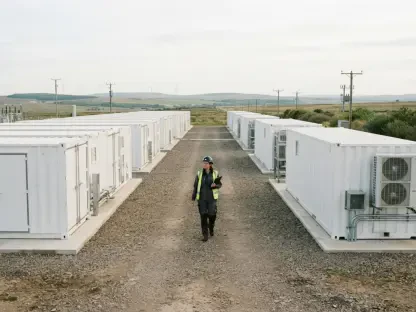
Beyond the lifecycle concerns, the integration of diverse technologies creates new operational “interfaces” where different contractors and risks meet, often leading to complex insurance and liability issues. For example, battery energy storage systems are under intense scrutiny from insurers due to the risk of thermal runaway, which can lead to catastrophic fires that are difficult to extinguish. When these batteries are placed in close proximity to a dam’s critical control systems or on floating platforms atop a reservoir, the potential for collateral damage increases exponentially. Floating solar arrays also present unique engineering risks, such as anchoring systems that must withstand changing water levels and wave action without damaging the reservoir’s liner or dam structure. Successful integration requires a meticulous approach to risk allocation, ensuring that performance guarantees and liability limits are clearly defined across the various technology providers to avoid costly legal disputes if the integrated system fails to perform as expected.
The industry observed that the most successful hybrid hydropower projects were those that prioritized a holistic approach to site development, treating the integration of water and modern wattage as a strategic evolution rather than a simple hardware upgrade. Stakeholders learned that the physical act of installing batteries or solar panels was often the easiest part of the process, while the real value was unlocked through sophisticated software and a deep understanding of local regulatory frameworks. Those who navigated the complexities of water rights and environmental flows with transparency managed to avoid the litigation that slowed down less careful competitors. The results proved that when legacy assets were thoughtfully combined with modern storage, they provided a level of grid stability that standalone renewables could not match. Ultimately, the transition to hybrid systems demonstrated that the future of hydropower was not found in building more dams, but in making existing ones work harder and smarter. Investors who focused on long-term lifecycle planning and robust interface management secured the most reliable returns in an increasingly volatile energy market. Moving forward, the lessons learned from these early integrations provided a blueprint for the global energy transition, proving that the synergy between water and modern wattage was the key to a decarbonized and resilient electrical grid.