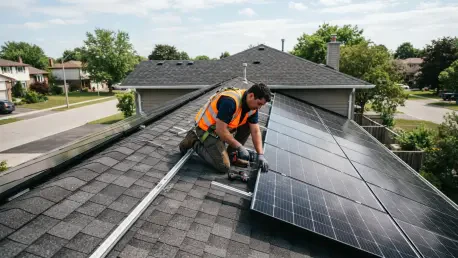

Experts suggest that homeowners should obtain at least three different quotes to navigate the complexity of various leasing and ownership models available in the region. As of late 2026, the landscape for residential solar energy in Pittsburgh has undergone a significant transformation. The expiration of major federal incentives, specifically the Residential Clean Energy Credit, has shifted the focus from government-subsidized savings to the raw economics of energy independence. While the removal of the 30% tax cushion changed the initial math, homeowners in Western Pennsylvania are discovering that the fundamental value of solar power persists. The primary motivation for installation has evolved, moving beyond simple environmentalism toward a pragmatic pursuit of long-term financial predictability and protection against rising utility costs. This is particularly relevant in a region where grid reliability is becoming a frequent concern for residents.
Economic Resilience and Long-Term Savings
Financial Pillars of Solar Assets
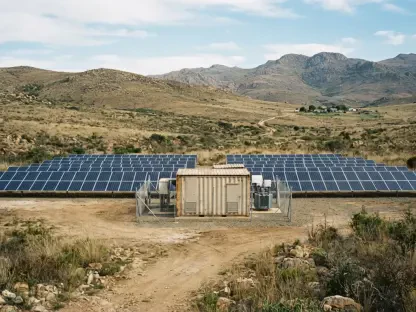
Despite the loss of federal tax credits that previously covered thousands of dollars in installation costs, the long-term financial math remains favorable for Pittsburgh residents. The core economic argument for solar is built on the substantial reduction of monthly bills, which acts as a permanent hedge against future inflation and utility rate hikes. For commercial and residential users alike, solar technology allows for the locking in of energy costs for the 25-year lifespan of the equipment. Unlike traditional utility rates that fluctuate based on fuel prices and infrastructure demands, the cost of generating power from the sun remains fixed once the hardware is installed, providing unparalleled financial predictability. This stability is a key asset for household budgeting in an era where energy prices are increasingly volatile. By removing the uncertainty of monthly utility overhead, owners can allocate capital toward other long-term investments or property improvements.
Modern solar installations contribute significantly to the intrinsic value of residential properties. Buyers are now more educated on the benefits of reduced operational costs, making solar-ready homes highly competitive in the local real estate market. This shift suggests that the upfront expenditure is not merely a cost but a capital improvement with a measurable internal rate of return. As utility companies continue to update their pricing models to reflect infrastructure maintenance costs, the gap between traditional grid power and self-generated solar electricity continues to widen. Consequently, the decision to invest in solar technology represents a strategic move to decouple personal finances from the external pressures of the regional energy market. The long-term durability of modern photovoltaic panels ensures that this investment continues to yield dividends well into the future, providing a reliable source of power that requires minimal maintenance.
Role of Local Net Metering
Pennsylvania’s net metering policy serves as a critical financial incentive that allows homeowners to turn their residences into miniature power plants. This system enables users to sell excess energy produced during the sunny summer months back to the utility company at full retail price. These credits are then used to offset energy consumption during the darker winter months, effectively balancing the books over the course of a year. By utilizing the grid as a form of virtual battery, Pittsburghers can recoup their initial hardware investments more quickly, ensuring that every kilowatt generated contributes to the overall return on investment regardless of immediate household demand. This mechanism remains one of the most robust tools available for solar owners, providing a clear path to system payback even in the absence of federal subsidies. It transforms the relationship between the consumer and the utility into a more equitable partnership focused on generation.
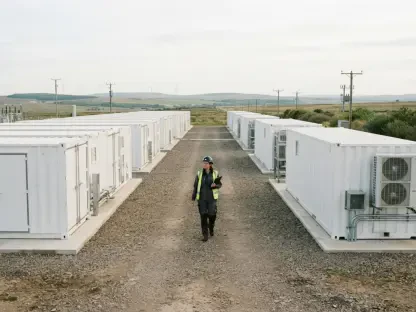
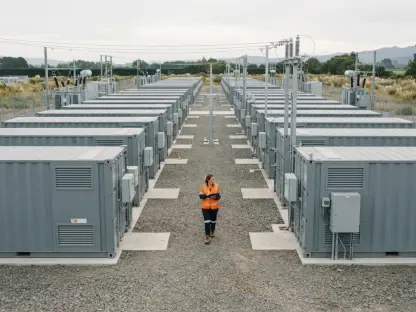
The reliability of the power grid in Pittsburgh has become a central driver for solar adoption as residents face more frequent short outages and power fluctuations. Modern adopters are increasingly viewing solar panels as a vital safeguard against an aging infrastructure and extreme weather patterns. This shift in perspective has led to a surge in interest for integrated battery storage systems that offer true energy autonomy. Even though these units represent a significant upfront investment, often exceeding $20,000, they provide a seamless transition to stored energy during grid failures. For many local families, the peace of mind afforded by a consistent backup power supply is now considered as valuable as the reduction in monthly utility expenditures. By integrating storage, homeowners can maximize the utility of their generated power, using it during peak rate periods or during nighttime hours to further enhance their overall economic savings and resilience.
Installation Navigation and Policy Trends
Maximizing System Efficiency
To ensure a positive return on investment in a market that has become increasingly complex, experts emphasize a methodical approach to system design and placement. Solar is not a universal solution, and its effectiveness depends heavily on the geometric evaluation of a property, including roof orientation, pitch, and potential shading from Pittsburgh’s dense tree canopy. Forcing a system onto an unsuitable roof can negate potential savings, making professional site assessments mandatory before any contracts are signed. Homeowners are encouraged to prioritize a system that matches their specific energy demand rather than aiming for 100% coverage, as even partial offsets provide significant relief from rising grid costs. Careful planning at the outset ensures that the hardware performs at peak efficiency throughout its operational life. This involves analyzing historical energy usage data to size the array correctly, avoiding both underperformance and unnecessary hardware costs.
The maturity of the Pittsburgh solar market means homeowners are often faced with a dizzying array of quotes, leasing models, and hardware options. Navigating this crowded field requires a commitment to comparative analysis, with professionals recommending that prospective buyers weigh warranties and financing terms alongside the base price. Understanding the difference between owning a system outright versus entering into a lease is vital for long-term wealth building. While leasing may offer a lower barrier to entry, ownership typically yields the highest total savings over the life of the system. By carefully vetting installers and hardware quality, residents can avoid the pitfalls of barriers to adoption and secure a system that will perform reliably for decades. Local expertise is particularly valuable, as installers familiar with the specific weather patterns and building codes of Western Pennsylvania can provide more accurate production estimates for prospective clients.
Future Growth and Grid Integration
While Pittsburgh has seen localized success, Pennsylvania as a whole still trails neighboring states in solar penetration due to a lack of progressive state-level policies. Advocacy groups are currently pushing for legislative changes like House Bill 504, which would establish community solar programs. This legislation is designed to allow renters or those with shaded properties to buy into shared solar projects and receive credits on their utility bills. Such advancements are seen as essential for democratizing access to renewable energy and ensuring that the benefits of solar are not restricted solely to those who own perfectly oriented rooftops. As these legislative efforts gain momentum, the potential for a more inclusive solar economy grows, promising to bring clean energy benefits to a broader demographic of residents. This expansion is expected to drive further innovation in the local market, lowering costs through increased competition and significant economies of scale.
The transition toward a more decentralized and modern grid in Western Pennsylvania eventually stabilized the local energy market through solar and battery storage. By utilizing residential solar arrays to help utilities meet demand during peak heat or cold periods, the region reduced its reliance on fossil fuels and prevented many system overloads. This evolution transformed the homeowner from a passive consumer into an active participant in the energy market. Ultimately, the adoption of solar technology in Pittsburgh moved beyond environmentalism and became a strategic move toward building a resilient, cost-effective, and autonomous future. Residents who embraced these systems established a foundation for long-term financial security that successfully weathered the volatility of the utility sector. The success of these early adopters provided a roadmap for future infrastructure projects, highlighting the practical benefits of localized power generation.