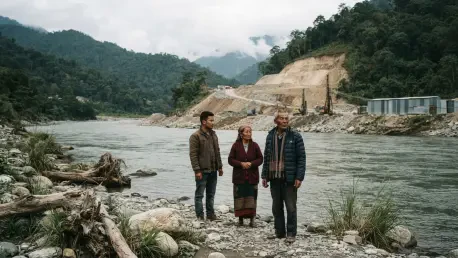

Deep in the verdant folds of the Eastern Himalayas, a massive geopolitical and environmental struggle is unfolding as the Siang Upper Multipurpose Project (SUMP) attempts to reshape the landscape of Arunachal Pradesh. This initiative, which aims to generate a staggering 11,000 megawatts of electricity, is not merely a technical endeavor but a flashpoint for indigenous rights and regional stability. For the National Hydroelectric Power Corporation (NHPC), the project represents a pinnacle of engineering that could secure India’s energy future for decades to come. However, for the Adi community, the plan is an existential threat that looms over their ancestral lands and cultural identity. The tension between state-led modernization and local sovereignty has reached a boiling point, creating a complex web of protests, legal battles, and ecological debates. As the government pushes for what it calls the “greater good,” the voices from the Siang Valley demand a different kind of progress that respects the intrinsic value of their river and heritage.
Strategic Objectives and Regional Impact
Infrastructure and Energy Goals
The National Hydroelectric Power Corporation views the Siang Upper Multipurpose Project as the cornerstone of India’s transition toward a sustainable and renewable energy future. By capturing the immense kinetic energy of the Siang River, the facility is designed to provide a massive boost to the northern power grid, effectively stabilizing the region’s volatile electricity supply. This scale of production would place the project among the largest of its kind globally, fulfilling a significant portion of the country’s carbon reduction targets. Proponents argue that the integration of such a high-capacity hydroelectric source is essential for supporting a modernizing economy that increasingly relies on consistent, clean power. Beyond the immediate energy output, the project is framed as a strategic asset that will reduce dependence on fossil fuels and enhance the overall resilience of the national energy infrastructure against global market fluctuations and potential domestic power shortages.
Furthermore, the long-term economic implications of the project are presented as a transformative force for the state of Arunachal Pradesh and the nation at large. The infrastructure development associated with such a megaproject often brings secondary benefits, including improved road networks, communication lines, and employment opportunities during the extensive construction phase. For a region that has historically faced developmental gaps, the government suggests that the project will catalyze industrial growth and provide the financial resources necessary for local public services. However, this vision of prosperity is strictly macroeconomic in nature, focusing on the state’s capacity to export power and generate revenue. The strategic alignment of the project with national security goals also makes it a high-priority initiative, as energy independence is increasingly seen as a vital component of territorial integrity and regional influence in the sensitive Himalayan border zones.
Water Security and Flow Regulation
In addition to its role as a power powerhouse, the multipurpose aspect of the dam addresses critical water management challenges that have plagued the region for generations. The construction of a massive reservoir is intended to provide a mechanism for regulating river flows, which is particularly vital for mitigating the catastrophic seasonal flooding that frequently devastates downstream areas. By creating a controlled buffer, the project offers a strategic defense against environmental changes and activities in upstream territories across the international border. This capacity for flow regulation is seen as a major step toward ensuring regional water security, protecting both agricultural land and urban settlements from the unpredictable nature of the Brahmaputra system. From the perspective of state planners, the dam is an indispensable tool for environmental governance, turning a wild and often dangerous river into a predictable resource that supports long-term growth and stability.
Beyond flood control, the reservoir serves as a critical reserve that can manage water availability during periods of drought or irregular monsoon patterns. As climate variability impacts the Himalayan watershed, having the ability to store and release water strategically becomes a matter of survival for agricultural sectors in both Arunachal Pradesh and Assam. This infrastructure allows for more precise irrigation planning and ensures that downstream ecosystems receive a steady supply even when natural flows are interrupted. The project is also touted as a way to assert hydrological rights over the river system, providing the state with the technical means to monitor and respond to fluctuations in water quality and volume. By centralizing water management through this facility, the government aims to create a more resilient regional economy that is less vulnerable to the whims of the environment or the actions of neighboring states that share the same vast river basin.
Sociocultural Concerns and Resistance
Threats to Indigenous Heritage
For the indigenous Adi community, the Siang River is far more than a source of potential energy; it is the spiritual and cultural lifeblood of their ancient civilization. The proposal to submerge vast tracts of land for the reservoir represents an existential threat to a way of life that has been maintained for centuries. Traditional burial sites, sacred groves, and historical landmarks are all at risk of being permanently lost beneath the rising waters, erasing the physical manifestations of the community’s ancestral history. This potential loss of territory is seen not just as an economic displacement but as a profound cultural erasure that cannot be compensated with monetary payments. For the local population, the land is an inseparable part of their identity, and its destruction would mean the end of their social and spiritual connection to the valley. This deep-seated fear has fueled a powerful resistance movement that prioritizes the preservation of heritage over industrial development.
In addition to the spiritual loss, the displacement of thousands of families threatens to dismantle the traditional social structures that have governed the Siang Valley for generations. The Adi people rely on a communal system of land ownership and resource management that is inherently tied to the specific geography of their current settlements. Moving these populations to resettlement colonies often leads to the fragmentation of clans and the erosion of customary laws and practices. Critics of the project argue that no resettlement plan can adequately replicate the complex socioeconomic ecosystem of the original villages. The loss of traditional fishing grounds and agricultural lands would force a transition to a cash-based economy for which many elders and traditional farmers are not prepared. This transition often results in social alienation and a decline in the unique linguistic and cultural diversity of the region, making the project a symbol of cultural marginalization in the name of progress.
Failures in Democratic Consultation
A significant portion of the current friction arises from a deep-seated lack of trust between the local inhabitants and the administrative bodies managing the project’s rollout. The Siang Indigenous Farmers Forum has frequently highlighted procedural failures, specifically the government’s apparent disregard for the principle of free, prior, and informed consent. Many residents feel that they have been intentionally kept in the dark about the full scale and long-term consequences of the dam, with information provided being either incomplete or overly optimistic. This perceived lack of transparency has led to widespread allegations that consent was sought through coercive or deceptive methods rather than through genuine democratic engagement. When administrative surveys are conducted under the protection of security forces, the rift only widens, as the local population perceives the state’s actions as an imposition of power rather than an invitation to collaborate on the region’s future.
The breakdown in communication has also led to a series of legal challenges and public protests that have stalled the project’s preliminary phases. Local leaders argue that the environmental impact assessments and social impact studies were conducted without adequate participation from the very people whose lives would be most affected. This exclusion from the decision-making process has fostered a sense of betrayal, as the community feels that their rights as citizens are being sacrificed for a national agenda in which they have no say. The demand for a more transparent and inclusive process is not just about the dam itself, but about the fundamental right of indigenous peoples to determine the future of their own lands. Without a radical shift in how the government engages with these communities, the project is likely to face continued obstacles that go beyond technical or financial concerns, touching on the core principles of democratic governance and social justice in a diverse nation.
Environmental Stability and Future Governance
Seismic Vulnerability and Safety
The technical feasibility of the project is under intense scrutiny due to the unique geography of the Eastern Himalayas, a region characterized by extreme seismic activity. Scientists have raised alarms about the safety of constructing such a massive structure in an area where the risk of major earthquakes is a constant and unpredictable reality. A dam of this magnitude holds back an immense volume of water; if a breach were to occur due to tectonic movement, the resulting flood would be catastrophic for millions of people living in the valleys below. Furthermore, the steep and unstable terrain of the region is highly susceptible to landslides, which can be triggered by the extensive excavations required for megadam construction. These geographical risks suggest that the environmental cost of a potential disaster could far outweigh the projected economic benefits of the energy generated, necessitating a more cautious and scientifically rigorous approach to the project’s design and implementation.
The long-term ecological disruption of the Siang basin also poses a threat to the biodiversity of the entire region, as the dam would fundamentally alter the river’s natural flow. Changing the sediment transport and nutrient distribution patterns can lead to the degradation of aquatic habitats that support unique species of fish and other riverine life. Downstream communities in Assam, who rely on the river for their livelihoods, would face the consequences of these changes without having any control over the dam’s operation. Many environmental advocacy groups are calling for independent assessments that prioritize ecological stability over industrial output, arguing that the cumulative impact of multiple hydroelectric projects in this corridor could lead to an environmental crisis. Protecting the integrity of the river system is seen as essential for maintaining the regional climate and supporting the traditional agricultural practices that have sustained the population for millennia.
Actionable Insights for Progress
The conflict surrounding the Siang Upper Multipurpose Project served as a stark reminder that large-scale infrastructure could not be divorced from the human and ecological contexts in which it existed. Stakeholders realized that the path toward energy security required more than just technical expertise; it demanded a commitment to genuine dialogue and the protection of indigenous rights. To resolve the impasse, observers noted that the government had to prioritize transparent governance and independent safety audits that addressed the community’s fears of seismic disaster. By integrating local knowledge into the project’s design, authorities were able to explore smaller-scale alternatives that mitigated the most severe social and environmental impacts. This shift toward a more inclusive development model provided a blueprint for how future infrastructure could be balanced with the preservation of cultural heritage and the maintenance of ecological integrity in sensitive border regions.
Furthermore, the situation highlighted the necessity of establishing clear legal frameworks for compensation and resettlement that went beyond mere financial payouts. Insights from the struggle suggested that successful projects were those where the local population felt like partners rather than victims of modernization. Implementing a system of benefit sharing, where a portion of the revenue generated by the dam was directly reinvested into local schools, hospitals, and traditional institutions, became a critical step in rebuilding trust. Ultimately, the resolution of the Siang dispute demonstrated that the most sustainable projects were those built on a foundation of mutual respect and informed consent. By looking toward future governance, policymakers understood that the definition of national interest had to expand to include the well-being and sovereignty of its most vulnerable citizens. This evolutionary approach to development ensured that the pursuit of clean energy did not come at the cost of the very people it was intended to serve.