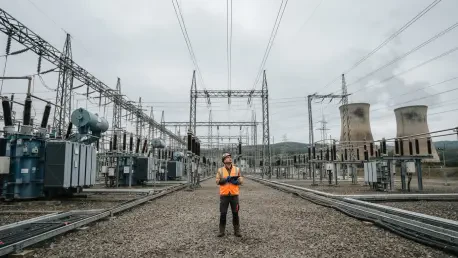

Grid instability and the potential for rolling blackouts have become primary concerns for regulators overseeing the rapid expansion of high-density computing clusters. The International Energy Agency has issued a stark warning that the digital economy is entering a period of massive expansion that could strain the planet’s electrical capacity beyond its current limits. Data center electricity consumption is projected to double by the end of 2030, a trend driven almost exclusively by the intense computational needs of generative AI and large language models. This surge represents a fundamental shift; once considered minor utility consumers, data centers are becoming dominant drivers of global energy demand. In many jurisdictions, the power required for these facilities is now equivalent to the entire electrical grid of a large industrialized country. As hyperscalers continue their build-out, the conversation has moved from software capability to the physical availability of kilowatts to keep the lights on and the models running.
Infrastructure and Temporal Constraints
The Growing Physical Bottleneck
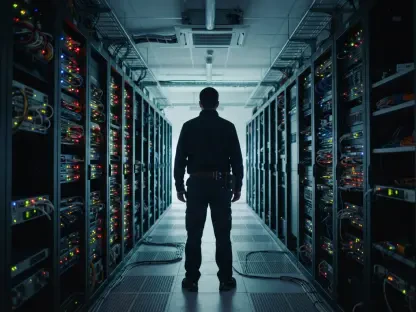
Traditional cloud computing historically focused on data storage and low-intensity management, but the generative AI era requires constant, high-intensity processing for both model training and real-time inference. This change has transformed energy from a back-end utility concern into the primary constraint on technological scaling across the globe. As neural networks grow more complex, the massive draw on the grid threatens to outpace supply capabilities in established tech hubs like Northern Virginia and Dublin. High-performance chips like the Nvidia B200 require significantly more power than their predecessors, leading to rack densities that exceed the cooling and electrical capacities of older facilities. Infrastructure that was sufficient just two years ago is now obsolete, forcing a total redesign of how data is processed and cooled. This physical limitation is no longer a theoretical risk but a daily operational hurdle for major cloud providers struggling to maintain uptime and performance.
The transition to high-density compute clusters has also highlighted the inadequacies of current liquid and air cooling technologies. While air cooling was sufficient for standard CPU racks, the sheer thermal output of modern GPUs necessitates more advanced, direct-to-chip liquid cooling systems that add further complexity to energy consumption. Consequently, data center operators are forced to invest in specialized electrical substations and water treatment facilities just to keep their hardware from failing under the heat of massive AI workloads. This escalation in infrastructure needs means that even if a company has the capital to purchase thousands of chips, they may not have the physical facility capable of supporting them. This physical bottleneck is creating a tiered landscape in the tech industry, where only firms with legacy access to high-capacity power lines can compete at the highest levels of AI development. Without radical breakthroughs in energy efficiency, the scaling of intelligence will remain tethered to the physical constraints of copper and cooling.
The Temporal Mismatch: Software vs. Hardware
A significant challenge lies in the widening temporal mismatch between the rapid pace of software development and the slow reality of hardware and grid deployment. While a state-of-the-art AI model can be trained and released in a matter of months, the construction of new power plants and high-voltage transmission lines typically takes a decade or more. This lag time creates a gap between the industry’s hunger for power and the physical reality of grid expansion. Regulators often find themselves caught between the pressure to support economic growth through technology and the need to maintain a stable, affordable grid for residential consumers. As the demand for AI compute increases, the inability to quickly scale energy infrastructure has become a bottleneck that even the most well-funded tech firms cannot easily overcome. Consequently, the industry is seeing a shift toward decentralized power generation and modular infrastructure to bridge the gap until larger national grids can be modernized.
This disconnect is further exacerbated by the regulatory environment, which often moves at a pace even slower than the physical construction of power lines. Permitting for new energy transmission can involve years of litigation and environmental review, while the AI models those lines are meant to power are being superseded by new architectures every few months. This creates a high-stakes environment where technology companies are forced to commit billions of dollars to infrastructure projects that may not be ready until the specific hardware they were designed for is already out of date. To mitigate this risk, some firms have begun to develop their own microgrids and proprietary power generation sites, effectively becoming their own utility companies to bypass the long wait times of national infrastructure upgrades. However, these private solutions do little to address the broader societal need for a modernized and resilient electrical grid that can support both the AI revolution and the transition to a greener economy.
Strategic Shifts and Public Resistance
Corporate Energy Solutions
Major technology firms like Microsoft, Amazon, and Google are now negotiating directly with utility providers to secure dedicated power sources, often bypassing standard commercial agreements. This scarcity of reliable electricity is forcing a pivot toward unconventional energy solutions, including the exploration of small modular nuclear reactors to bypass aging national infrastructure. Securing a steady, carbon-free energy supply has become the ultimate prize in the global AI arms race, often outweighing other traditional factors like land cost or fiber connectivity in site selection. Some firms are even investing in fusion research and advanced geothermal projects to ensure they have an independent power base for future decades. This aggressive pursuit of energy independence highlights the existential threat that power shortages pose to the future of artificial intelligence. Without a fundamental change in how these companies source electricity, the next generation of large-scale models may lack the power to run.
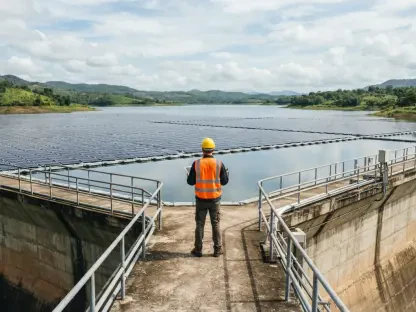
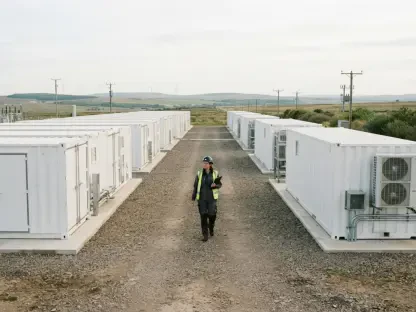
Beyond nuclear energy, the tech industry is also aggressively pursuing massive battery storage projects to balance the intermittent nature of renewable energy sources. By combining solar and wind farms with industrial-scale lithium-ion or flow batteries, hyperscalers hope to provide a constant “baseload” of power for their data centers without relying on coal or gas plants. This shift is not merely about environmental responsibility; it is a calculated business move to ensure operational continuity in a world where the public grid is increasingly unstable. These corporate-owned energy ecosystems are becoming more common as firms realize that they cannot rely on the public sector to move as quickly as their growth demands. As these companies become some of the largest players in the energy market, they are also gaining significant influence over energy policy, advocating for deregulated markets that allow for faster construction of private power assets. This concentration of energy resources in the hands of a few tech giants has raised questions about long-term energy security for the general public.
Public Backlash and Sustainability Hurdles
However, this rapid expansion faces significant political and social headwinds as local communities express growing worry about the environmental and social costs of massive data centers. Concerns regarding grid instability, rising electricity prices, and the immense water usage required for cooling systems have led to a sharp public backlash in recent months. In several regions, this friction has resulted in construction moratoriums, forcing companies to move projects to more permissive or energy-abundant areas where local opposition is less organized. Voters have increasingly demanded that tech giants provide their own power infrastructure rather than drawing from the public pool. This pushback is particularly evident in regions where drought conditions make the millions of gallons of water needed for chip cooling a point of contention. The result is a fragmented regulatory landscape where the ability to build is dictated as much by local political climate as by technological necessity.
The environmental friction is also manifesting in the corporate sector’s struggle to meet its own carbon-reduction goals. As the demand for electricity surges, some utility companies have been forced to delay the retirement of fossil fuel plants or even bring decommissioned coal facilities back online to meet the load. This reality creates a direct conflict with the sustainability pledges made by leading tech firms, who now find that their growth is inadvertently driving up national carbon emissions. Public advocacy groups have become more sophisticated in tracking these discrepancies, using them as leverage to demand that new data center projects come with legally binding guarantees for renewable energy generation. This pressure has transformed the site selection process into a complex negotiation involving environmental impact reports, community benefit agreements, and long-term water management plans. For the tech industry, the era of building massive facilities with minimal public oversight has officially ended, replaced by a new reality where social license is as important as electrical capacity.
Future-Proofing the Intelligence Infrastructure
To navigate the energy crisis, industry leaders prioritized energy efficiency as a competitive necessity rather than a mere sustainability goal. Innovations in direct-to-chip liquid cooling and power-optimized chip architectures became standard requirements for any new data center project. Financial markets began to value companies based on their energy-to-compute ratios, rewarding those that could deliver the most intelligence per kilowatt-hour. This shift encouraged a wave of software optimization, where developers sought to reduce the massive energy footprints of their models through better algorithmic efficiency and smaller, more specialized models. Looking forward, the path to sustainable growth involved closer integration between tech infrastructure and renewable energy storage systems. Policymakers and industry heads worked together to streamline the permitting process for green energy projects, recognizing that the AI boom could only continue if the underlying power grid was both resilient and sustainable. The successful scaling of artificial intelligence ultimately rested on this radical transformation.