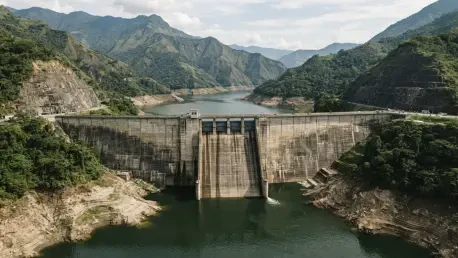

Colombia’s strategic reliance on hydroelectric plants for 76% of its renewable output has created a single point of failure during this prolonged drought. This structural dependency, while providing clean energy, has left the nation exposed as reservoir levels plummet toward critical thresholds. By late November 2026, the national aggregate level dropped to 76.62%, failing to meet the 80% safety margin required to navigate the upcoming dry season without risk. The situation is exacerbated by water inflows tracking at less than half of historical averages, leaving the National Interconnected System in a precarious position. As the administration monitors these figures, the realization that the margin for error has vanished is driving urgency across both public and private sectors. The upcoming months represent a high-stakes period where climate volatility and infrastructure limits will determine the stability of the grid and the reliability of the national power supply.
The Impact of Climate Cycles
Examining the El Niño Forecast
The root cause of this hydrological deficit remains the El Niño phenomenon, a recurring climate pattern characterized by the unusual warming of surface waters in the eastern Pacific. Meteorologists at the Institute of Hydrology, Meteorology and Environmental Studies (IDEAM) issued warnings that the most intense phase of this cycle is expected in the early months of 2027. Data from the late 2026 season shows a sharp departure from seasonal norms, with high temperatures and negligible rainfall becoming the standard across major basins. International agencies like the National Oceanic and Atmospheric Administration estimate a 61% probability that these arid conditions will persist well into mid-2027, leaving little room for replenishment. The geographic spread of this phenomenon has been unforgiving, hitting the Andean regions where the bulk of the nation’s power is generated. Without a shift in pressure, the energy sector remains locked in a difficult battle to maintain stability.
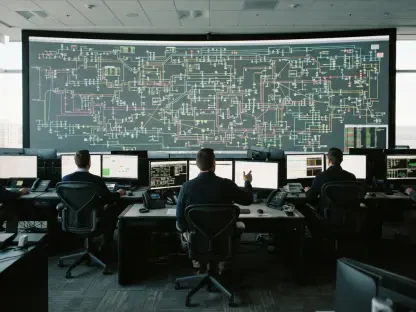
Transitioning from the current late-year dry spell into the projected “Super El Niño” of 2027 presents a logistical nightmare for grid operators balancing immediate demand with future scarcity. Forecasts suggest that January and February 2027 will break heat records, further increasing the evaporation rates of depleted water bodies. This trend creates a feedback loop where higher temperatures drive demand for cooling, placing more strain on a diminishing supply. The lack of cloud cover and persistent solar radiation are transforming the hydrological landscape into a parched environment where soil moisture is at an all-time low. Such conditions mean that even isolated storm events will do little to replenish deep-water reserves needed for heavy turbine operation. The cumulative impact of these deficits is a systematic thinning of the national energy buffer, forcing a shift toward more expensive and carbon-intensive backup power alternatives to maintain the grid.
Long-Term Hydrological Recovery
Even if seasonal rains return by the second quarter of 2027, the path to full hydrological recovery is expected to be long and arduous. There is a documented time lag between the onset of precipitation and the rise in usable reservoir volumes, as parched soils first absorb moisture before runoff can reach river systems. This means the energy sector must maintain its defensive posture for the entirety of 2027, regardless of whether the drought technically ends. Historically, it can take several months of above-average rainfall to restore the 80% safety margin required for stable operations. During this recovery phase, grid operators will likely remain hesitant to release water for generation, prioritizing storage to protect against future volatility. This cautious approach ensures that the energy market will remain tight and prices will stay elevated well after the peak of the El Niño cycle has passed.
The broader ecosystem stability of the Central and Valle regions is a concern for planners who recognize these areas are the heartbeat of the national distribution network. Current data shows that reservoirs like Calima I and Salvajina are operating at roughly 64% and 59% respectively, levels that are dangerously below the national average. These regional disparities create bottlenecks, as power must be transmitted from distant regions, leading to transmission losses and technical vulnerability. The persistent heat has not only affected water quantity but also quality, as lower volumes lead to sediment concentrations that can damage sensitive turbine equipment. Long-term recovery plans must include infrastructure maintenance to ensure that the hardware is capable of processing the return of high-volume inflows. The resilience of the Colombian power sector is currently being tested by a drought that is as much an ecological crisis as it is an industrial challenge.
Vulnerabilities and Strategic Responses
Colombia’s Hydro-Dependent Energy Mix
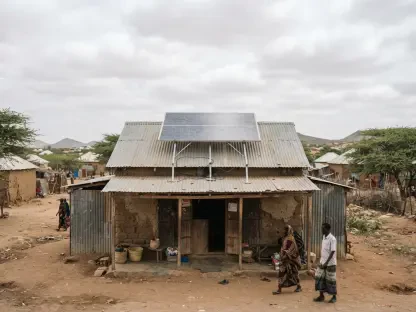
The strategic danger inherent in Colombia’s current energy architecture is the lopsided reliance on water-based generation, which accounts for over half of total output. While the integration of solar power reached approximately 12% of the renewable portfolio by the end of 2026, other alternative sources like wind and biomass remain underdeveloped. This lack of a diversified energy basket means that when rains stop, the primary engine of the national economy begins to stall. Hydroelectric plants are the backbone of the system, yet their efficacy is dependent on climate factors beyond human control. This single point of failure has prompted debate among policymakers regarding the speed of the energy transition and the need for diverse baseload power. While solar provides a supplement during daylight hours, it cannot yet match the massive, sustained output of the large-scale hydroelectric dams that have powered the country for decades.
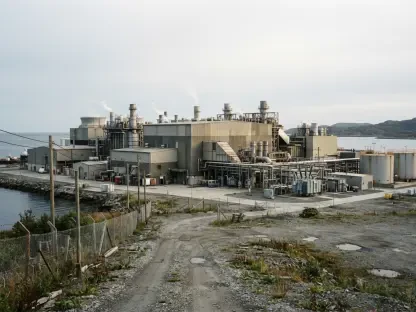
To compensate for dwindling water supplies, the national grid has turned toward thermal power plants fueled by coal and natural gas to maintain system balance. These backup facilities are essential for preventing blackouts, yet they introduce economic and logistical challenges that complicate the crisis. Operating thermal plants at maximum capacity increases the cost of electricity, as fuel procurement and transport costs are much higher than those associated with falling water. Furthermore, reliance on thermal energy puts pressure on the domestic natural gas supply, which saw fluctuating production levels throughout late 2026. If the dry spell persists deep into 2027, the cumulative operational strain on these plants could lead to mechanical failures or supply chain disruptions. The thermal sector acts as a safety net, but it is an expensive and demanding one that the country had hoped to rely on less to meet its climate goals.
Future-Proofing Through Resource Conservation
In response to the high-risk environment, the government has pivoted toward conservation strategies that seek to align consumer behavior with limited supply. Leading the initiative in the capital, Mayor Carlos Fernando Galán implemented energy-saving directives requiring public agencies to cut consumption. These mandates are accompanied by public awareness campaigns emphasizing that every kilowatt saved today is water preserved for the 2027 peak. Focus has been placed on evening peak hours between 6 p.m. and 9 p.m., when the grid is under intense pressure. By encouraging citizens to postpone energy-intensive tasks like laundry or ironing, the city hopes to flatten the demand curve and avoid mandatory rationing. This proactive management of the demand side of the energy equation is seen as the most immediate and effective way to extend the life of current reservoir levels.
Looking toward the resolution of this crisis, Colombian authorities implemented several structural changes that prioritized long-term resilience over immediate convenience. The focus shifted to upgrading domestic efficiency, where the transition to LED lighting and more efficient refrigeration became a national priority. Efforts to decouple energy demand from growth through behavioral changes helped the grid withstand the 2027 peak without resorting to widespread blackouts. Government officials also accelerated the deployment of decentralized solar projects to provide a robust buffer against future hydrological deficits. By the time the El Niño cycle began to wane in mid-2027, the nation had established a sophisticated understanding of the water-energy nexus. This period served as a definitive lesson in the importance of diversifying the energy mix to include consistent baseload alternatives, ensuring the national infrastructure emerged with a clearer roadmap.