
The Caesar Rodney Institute is urging state policymakers to reconsider wood-derived biomass as a cornerstone of a truly diversified energy portfolio. As Delaware grapples with the complexities of modernizing its power grid in 2026, the focus has shifted toward domestic generation to mitigate the

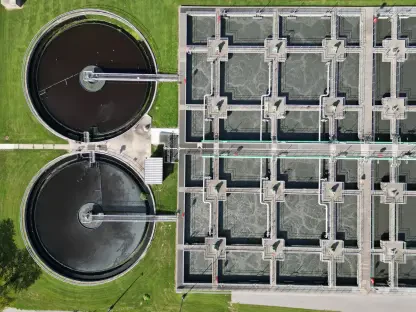
Neste’s strategy for Nerea focuses on providing an accessible and simple solution that fits the capacity requirements of most industrial waste management facilities. This development arrives at a pivotal moment in 2026, as the international community intensifies its efforts to solve the persistent

Opening a residential energy statement today often feels less like reviewing a service invoice and more like deciphering a complex government ledger filled with confusing surcharges and mandated fees. For years, the average household viewed the utility company as a simple vendor, much like a local

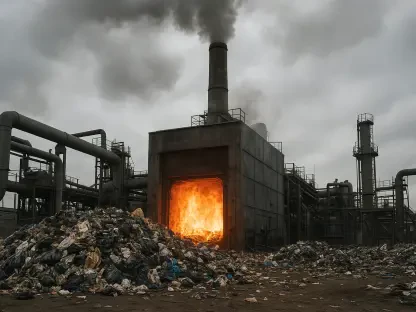
The current state of Scotland’s waste management infrastructure suggests a looming systemic failure that threatens to leave urban centers struggling with uncollected refuse and severe public health risks. This potential emergency results from a convergence of mechanical breakdowns, vanishing
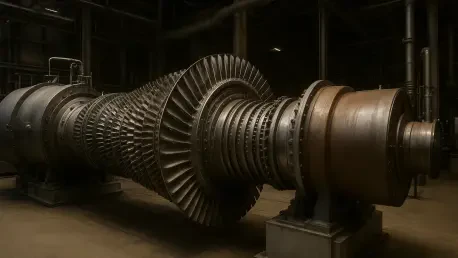
Regulators expressed significant skepticism over whether the general public should shoulder the financial burden of new infrastructure designed primarily to power a rapid expansion of regional data centers. This sentiment served as the catalyst for the North Carolina Utilities Commission to
The architectural foundations of American environmental regulation are currently undergoing a structural dismantling that prioritizes industrial capacity over previous decarbonization targets. This pivot away from 2024 standards signals an end to federal climate mandates, favoring state-level