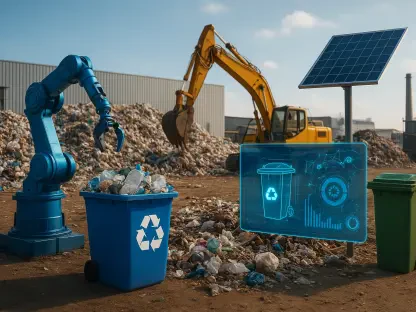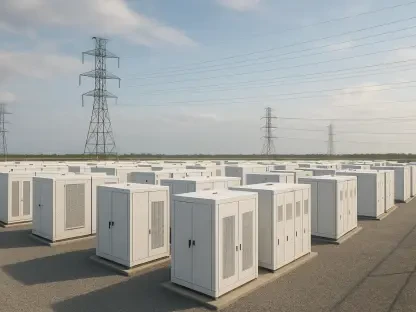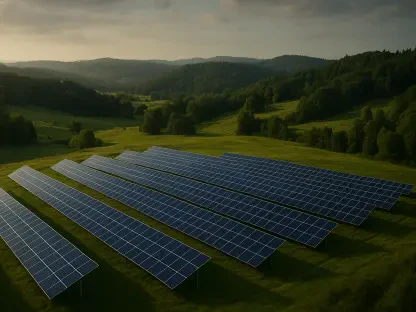

The sudden interruption of fossil fuel supplies across the Pacific earlier this year served as a brutal wake-up call for Southeast Asian nations that had long grown accustomed to the easy flow of cheap foreign energy. With energy import costs projected to hit staggering figures exceeding two hundred billion dollars before the end of the decade, the Association of Southeast Asian Nations has pivoted toward an aggressive domestic strategy. This regional shift is not merely about energy independence; it is a desperate response to an escalating environmental disaster where tens of millions of metric tonnes of plastic waste clog urban waterways and destroy coastal ecosystems. By integrating advanced Waste-to-Energy systems into their national grids, these countries are attempting to turn a massive environmental liability into a reliable, decentralized power source. This circular economy model is quickly becoming the foundation of a new industrial strategy designed to mitigate the volatility of global markets while cleaning up the region’s megacities.
Scaling Infrastructure Projects Across the ASEAN Region
The rapid expansion of Waste-to-Energy infrastructure across Southeast Asia is driven by a critical need to decouple national development from the volatility of imported fossil fuels. For years, the region relied on a fragile global supply chain that left domestic industries vulnerable to external shocks and price surges. However, the paradigm shifted recently as governments began to view their massive urban waste streams as a high-potential energy reservoir. This transition involves a comprehensive overhaul of municipal planning, where the integration of advanced thermal treatment plants is prioritized alongside the expansion of national electricity grids. These projects represent a massive mobilization of both public and private capital, aimed at creating a self-sustaining energy ecosystem. By localizing power production through these facilities, nations are not only improving their energy security but also reducing the carbon footprint associated with long-distance fuel transportation and traditional landfilling practices.
Strategic Investments: Enhancing the Indonesian and Malaysian Power Grids
In Indonesia, the provincial government of Bali has accelerated the development of a flagship facility capable of processing over five hundred thousand tonnes of municipal waste annually to protect the island’s tourism-dependent economy from the blight of overflowing landfills. This project represents a broader trend across the archipelago where urban waste is no longer seen as a disposal problem but as a critical feedstock for the national electricity provider. Similarly, Malaysia has commissioned a high-capacity plant in Melaka that serves as a proof of concept for the nation’s ambitious renewable energy targets. These facilities utilize sophisticated thermal treatment technologies to generate electricity, providing a stable baseload power that fossil fuel imports can no longer guarantee at an affordable price. The massive capital commitment seen in these projects reflects a definitive move toward regional self-sufficiency, ensuring that local municipalities can maintain essential services while reducing their reliance on expensive international energy sources.
Utility-Scale Upgrades: Modernizing Energy Recovery in Thailand and Singapore
Thailand and Singapore have also moved to expand their utility-scale waste processing capacities with high-profile infrastructure upgrades that prioritize long-term reliability over short-term savings. Bangkok’s latest facility is engineered to handle massive daily volumes of household refuse, converting it into power for the metropolitan area’s expanding industrial zones. Meanwhile, Singapore is modernizing its incineration fleet to incorporate more efficient energy recovery systems, ensuring that the city-state remains at the forefront of waste management technology. In Vietnam, the focus has shifted toward the northern industrial hubs where large-scale plants are being constructed to prevent sanitation systems from being overwhelmed by the rapid urbanization occurring in the region. These collective efforts demonstrate a coordinated attempt to build a resilient energy architecture that can withstand the dual pressures of population growth and resource scarcity by aligning national energy policies with waste goals.
Addressing Technical Challenges and Social Responsibilities
Implementing these advanced technological solutions involves a complex set of operational challenges that go far beyond simple waste incineration. The chemical diversity of municipal solid waste, which often includes a mix of organic matter, plastics, and industrial residues, creates a highly variable feedstock that can affect the stability and efficiency of the energy recovery process. Furthermore, the environmental risks associated with high-temperature thermal treatment must be managed with extreme precision to avoid secondary pollution. Engineers are faced with the difficult task of optimizing combustion temperatures to maximize energy output while simultaneously minimizing the formation of hazardous compounds. This technical balancing act requires a sophisticated digital monitoring infrastructure and a highly skilled workforce capable of responding to real-time fluctuations in the plant’s operational parameters. Without such a robust technical foundation, the long-term sustainability of these projects could be compromised by unforeseen mechanical failures or environmental breaches.
Operational Safeguards: Managing Industrial Emissions and Hazardous Residues
While the promise of turning trash into electricity is compelling, industry experts maintain that these facilities require rigorous oversight to prevent them from becoming new sources of pollution. The combustion process naturally releases hazardous gases like nitrogen oxides and sulfur dioxide, alongside concentrated toxic residues such as fly ash that contain heavy metals. To address these concerns, the latest plants in the region have been equipped with sophisticated multi-stage filtration systems and specialized containment structures designed to neutralize pollutants before they reach the stack or leak into the soil. However, the cost of maintaining these high-tech systems remains substantial, and there is a lingering fear that smaller operators might cut corners on environmental safety. Consequently, regional agencies are now implementing continuous monitoring systems to protect groundwater and air quality, ensuring that the drive for energy security does not come at the expense of public health or local environmental standards.
Future Resilience: Harmonizing Public Transparency with Regulatory Integrity
The strategic pivot toward integrated waste management systems provided a necessary path for Southeast Asian nations to escape the volatility of global fossil fuel markets. By prioritizing decentralized power generation, regional leaders successfully converted a growing environmental crisis into a foundational element of their national energy security strategies. This transition demanded a sophisticated balance between industrial ambition and the protection of public health, which was only achieved through the implementation of rigorous oversight and advanced filtration technologies. Moving forward, the most effective next steps involved the institutionalization of regional standards for byproduct recycling and the mandatory disclosure of real-time emission data to local communities. These actions ensured that the infrastructure remained accountable to the people it served while fostering a culture of transparency that supported investment and confirmed that energy and waste goals were not mutually exclusive.