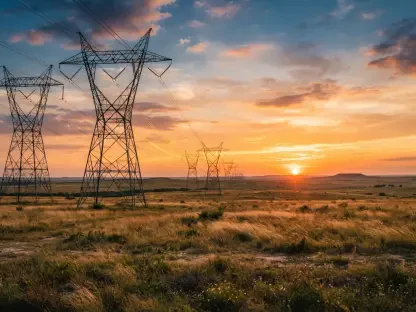

The integration of biomass energy into the national grid depends on the government’s ability to provide special support mechanisms that mirror those of other renewable sectors. As Vietnam’s 16th National Assembly navigates the complexities of energy transition, the proposed amendments to the Electricity Law represent a seismic shift in how the nation views its power security. The primary challenge lies in bridging the gap between ambitious environmental targets and the practical economic realities faced by private investors. Lawmakers have recognized that a fossil-fuel-reliant grid is no longer sustainable for a nation aspiring to maintain high industrial growth while meeting stringent international climate commitments. By revising the legislative framework, the government aims to create an environment where renewable projects are not merely experimental but are foundational to the country’s economic strategy. This legislative overhaul is designed to provide the clarity needed to attract large-scale capital into sectors that have historically struggled with regulatory ambiguity and financial volatility.
Legislative Reform: Modernizing the Power Grid
Biomass Energy: Unlocking Sustainable Resource Potential
A primary focus of the ongoing legislative debate involves the massive, untapped potential of biomass energy, particularly residues derived from the agricultural sector. Lawmakers have pointed out that millions of tons of rice straw and livestock waste are generated annually, yet much of this resource remains wasted or environmentally damaging. Despite strict environmental mandates that prohibit the open burning of agricultural waste, investors remain cautious due to a lack of transparent and stable tariff structures. The current draft of the law seeks to rectify this by proposing specific pricing models that account for the unique logistical challenges of fuel collection and processing in rural areas. By creating a price floor that remains adaptable to market fluctuations, the government intends to ensure long-term project viability for both private investors and local farmers. This strategy transforms agricultural by-products into a valuable energy commodity, effectively aligning rural economic development with the broader national goal of decarbonizing the power grid.
Rooftop Solar: Strategies for Decentralized Production
The regulatory vacuum surrounding rooftop solar power has emerged as another pivotal area of concern for the National Assembly. Legislators have emphasized that expanding rooftop solar capacity is essential for mitigating the chronic power shortages that often plague the country during the peak dry seasons. Furthermore, as international trade partners implement stricter “green” standards, Vietnamese exporters require access to renewable energy to maintain their standing in the global supply chain. The proposed legal revisions aim to establish a definitive roadmap that explicitly grants property owners the right to self-consumption while providing clear protocols for selling surplus energy back to the national grid. By removing the legal ambiguities that have historically hindered small-scale solar adoption, the government hopes to empower businesses and households to become active participants in the energy market. This shift toward decentralization is viewed as a critical component of a resilient energy strategy, allowing the grid to absorb local peaks in demand while reducing the overall reliance on centralized power plants.
Smart Infrastructure: Achieving Long-Term Energy Security
The modernization of the Electricity Law established a clear precedent for how a developing nation could integrate technical innovation with economic pragmatism. By synthesizing waste management with energy production and empowering small-scale producers, the legislative body successfully created a roadmap for a decentralized and resilient power sector. The focus shifted toward establishing high-level legal principles that provided the certainty required to attract international capital, while leaving specific technical implementation to adaptable government regulations. Stakeholders were encouraged to prioritize investment in battery storage systems and smart grid technologies to fully realize the benefits of the new legal framework. This balanced approach was viewed as the most effective method for securing a stable, diversified energy supply that met both industrial needs and environmental commitments. Ultimately, the transition proved that clear legal guidelines and economic incentives were the most critical components in driving a successful national shift toward a sustainable and competitive green economy.