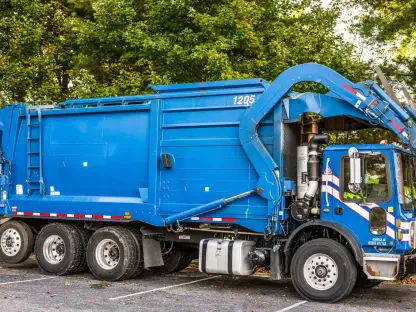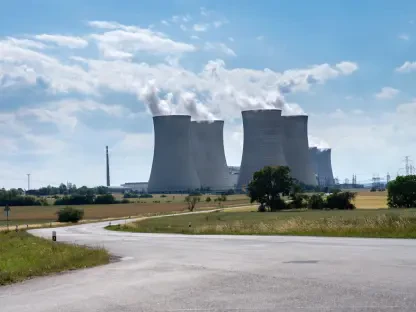

With the potential to generate up to ninety megawatts of power at the expanded Bishkek site, these plants are becoming integral to the national strategy for energy security. The recent proposal by a subsidiary of the state-owned China Energy Conservation and Environmental Protection Group to construct a ninety-five-million-dollar waste-to-energy plant represented a significant step forward in Kyrgyzstan’s environmental policy. This project, which was presented to the National Investment Agency, targeted the southern regions of the country, specifically the Suzak district and the city of Manas. By shifting away from traditional landfilling, the government sought to modernize the utility sector and provide a sustainable solution for municipal refuse. The initiative was part of a larger trend of international cooperation aimed at transforming waste into a valuable energy resource. This move not only addressed the growing waste crisis but also laid the groundwork for a more resilient and self-sufficient national power grid through the use of advanced Chinese incineration technology.
Infrastructure Implementation: From Disposal to Power Generation
Strategic Site Logistics and Processing Capacity
The proposed facility in the south was designed to process eight hundred metric tons of waste per day during its initial phase, with plans to expand its capacity to two thousand tons as the region’s urban centers continued to grow. This scalability was essential for meeting the long-term needs of Manas and its surrounding municipalities, where existing waste management infrastructure had struggled to manage increasing volumes of household and industrial refuse. By employing high-temperature incineration, the plant aimed to reduce the physical mass of waste by approximately ninety percent, significantly extending the lifespan of regional disposal sites. Furthermore, the heat generated from this process was intended to produce steam to drive turbines, providing a consistent supply of electricity to the local community. This decentralized energy production helped stabilize the regional power network, particularly during periods of high seasonal demand when the central grid often faced constraints. The project also included specialized training for local engineers to maintain the facility.
Sustainable Integration and Resource Management
To ensure the long-term success of this waste-to-energy transition, the government focused on integrating high-tech incineration with sophisticated waste-sorting practices. Analysts determined that the effectiveness of the plant depended heavily on the purity of the waste stream, necessitating the development of separate collection systems for plastics, metals, and organic materials. Consequently, officials implemented new regulatory frameworks that incentivized households and businesses to sort their refuse at the source. This dual approach allowed the country to recover valuable recyclables while utilizing non-recyclable components for power generation, creating a more circular economic model. Looking ahead, the administration established that future infrastructure investments would prioritize the installation of advanced emission scrubbing systems to mitigate any potential air quality concerns. By fostering partnerships with international firms, the state ensured that the transition to modern waste management was both ecologically responsible and economically viable for future generations.