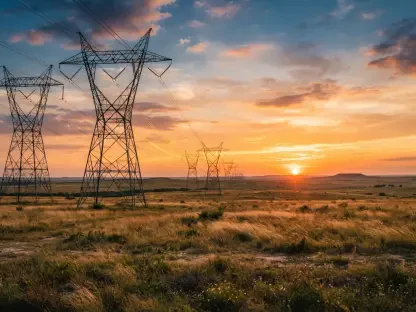

The current intensification of sea surface temperature anomalies in the tropical Pacific has propelled the Philippines into a state of high alert as a very strong El Niño cycle takes hold of the region. This phenomenon, which has seen temperatures climb 2.5°C above baseline levels, signifies a departure from standard seasonal variations, suggesting a prolonged period of environmental stress for the archipelago. Unlike previous moderate events, this specific occurrence has surpassed the critical two-degree threshold, indicating that the climatic impact will be both deeper and more widespread than initially anticipated by regional weather monitors. Meteorologists at PAGASA have confirmed that this surge in thermal energy is expected to peak during the final months of 2026, creating a ripple effect that will likely persist well into the first quarter of the following year. The immediate concern lies in how this atmospheric shift will compromise the delicate balance of the nation’s natural resources, particularly as the rainy season yields to an unusually dry and scorching landscape.
Environmental Impact and Meteorological Projections
Analyzing the Thresholds of Thermal Disruption
The classification of an El Niño as “very strong” is not merely a descriptive term but a metric-driven designation based on the consistency of elevated sea surface temperatures. Currently, the data indicates that the anomaly is holding steady at 2.5°C, a figure that triggers specialized disaster response protocols within the Philippine government. This extreme heat alters atmospheric circulation patterns, effectively pushing rain-bearing clouds away from the archipelago and replacing them with high-pressure systems that trap heat. For a nation that relies heavily on predictable monsoon cycles for its water supply and agricultural productivity, these deviations represent a systemic threat to stability. The duration of this thermal event is particularly concerning, as the heat is expected to linger through March 2027, preventing the usual cooling that follows the year-end transition. Such persistence ensures that the soil loses its moisture content more rapidly, leading to a harder surface that complicates future planting efforts.
Mapping the Geographic Expansion of Drought
The progression from mere dryness to a full-scale meteorological drought is expected to accelerate significantly over the coming months as the El Niño peaks. While only 26 provinces were categorized under dry conditions in late 2026, this number is projected to skyrocket to 87 by the end of the first quarter of 2027, effectively covering the entire nation. This rapid expansion highlights the systemic nature of the current crisis, as it leaves few regions unaffected and limits the ability to redistribute resources from one area to another. The transition is not just a matter of less rain; it is a fundamental shift in the climate profile of the region, where the heat index frequently reaches dangerous levels for outdoor labor. In provinces that serve as the nation’s breadbasket, such as those in Central Luzon and parts of Mindanao, the lack of moisture is already visible in cracked fields and wilting vegetation, signaling a grim start to the primary planting season that usually occurs at the year’s end.
Economic Repercussions and Strategic Responses
Managing Agricultural Losses and Market Stability
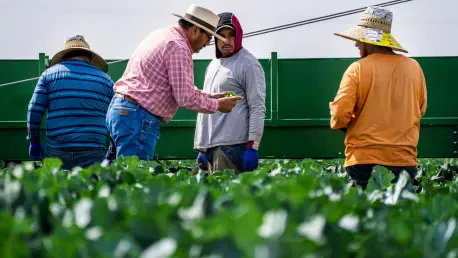
The financial toll of the current El Niño has already manifested in the form of significant crop destruction, with the Department of Agriculture reporting losses exceeding P8.5 billion. Corn and rice, which form the backbone of the Philippine diet and economy, have borne the brunt of the heat, as these crops are highly sensitive to moisture stress during their reproductive stages. In many areas, the lack of irrigation has led to total crop failure, forcing farmers to abandon fields and seek alternative livelihoods or government aid. The P11.34 billion allocated for farmer assistance is a necessary injection of capital, yet it serves as a temporary fix for a deeper structural problem exacerbated by the climate. Financial aid typically covers immediate needs like seeds and fertilizer for the next cycle, but it does little to recover the lost labor and investment of the current season. As the harvest volumes continue to dwindle, the pressure on domestic market prices is expected to intensify, making basic staples less affordable.
Implementing Long-Term Solutions and Resource Resilience
The Philippine government successfully implemented a multifaceted approach to mitigate the fallout from the intense El Niño cycle that characterized the late 2026 period. By prioritizing the modernization of regional irrigation networks and incentivizing the widespread use of climate-resilient seeds, authorities sought to stabilize the volatile agricultural market. Future considerations must include the expansion of decentralized water storage and a definitive shift away from import-heavy food security policies to protect against global supply chain disruptions. These actions provided a necessary blueprint for managing recurring climatic extremes in a more sustainable and predictable manner. Stakeholders discovered that relying on local production capacity was the only reliable way to insulate the domestic economy from international price hikes. Moving forward, the integration of advanced satellite monitoring and real-time data allowed for more proactive measures before the next cycle began, ensuring that the nation remained prepared.