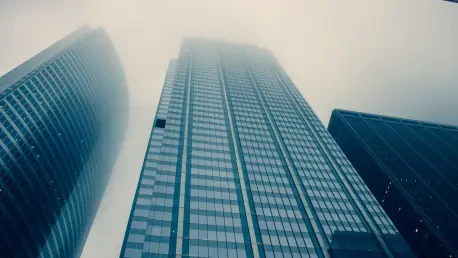

The shift from passive building skins to active photovoltaic systems is essential for achieving the ambitious goal of establishing zero-net-energy cities worldwide. Modern urban centers are defined by towering glass facades that, while aesthetically striking, have historically functioned as thermal liabilities. These structures absorb intense solar radiation, forcing internal climate control systems to work overtime, which accounts for a significant percentage of total metropolitan electricity consumption. However, the current transition toward integrated photovoltaic glass is fundamentally altering this dynamic by turning every window into a power station. Unlike traditional opaque panels that require vast tracts of land, these transparent solutions utilize the massive vertical square footage already present in our skylines. By embedding microscopic light-harvesting materials into the glazing, architects are finally able to balance the human need for natural light with the urgent necessity for decentralized renewable energy production.
Strategic Integration of Active Glass Technologies
Technical breakthroughs in luminescent solar concentrators have paved the way for windows that remain clear to the human eye while capturing specific wavelengths of energy. These systems employ specialized organic salts and nanostructured particles that selectively absorb ultraviolet and near-infrared light, which are then redirected to the edges of the glass pane where thin strips of solar cells convert them into electricity. This selective harvesting ensures that the visible spectrum remains untouched, preventing the dark or reflective tints associated with older energy-efficient coatings. As manufacturing processes for these coatings become more streamlined from 2026 to 2028, the cost-to-efficiency ratio is projected to reach a tipping point for mass commercial adoption. This progress allows developers to envision buildings that not only shelter occupants but actively contribute to the local grid, effectively mitigating the heat island effect common in dense city blocks.
The successful implementation of solar windows required a coordinated effort between urban planners and federal regulators to establish new energy standards for high-rise skins. Policymakers prioritized the creation of tax incentives for retrofitting aging commercial districts, which facilitated the transition from static glass to active energy-generating surfaces. Moving forward, property owners should conduct comprehensive energy audits to identify facade sections with the highest solar gain for immediate replacement with photovoltaic glazing. Building managers also found that pairing these windows with localized battery storage was essential for managing the intermittent power generated throughout the day. By standardizing these smart materials in new construction, city officials transformed urban centers into resilient power hubs. These steps collectively proved that the solution to sustainable energy was hiding in plain sight within the glass walls of the modern metropolis, provided that future designs prioritize material circularity.