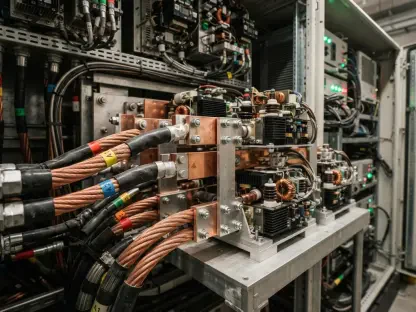

Modern biogas facilities are increasingly utilizing modular cleanup and compression equipment to speed up the industrialization of renewable energy production. This technological advancement coincides with a period where the American renewable natural gas sector is transitioning from a specialized niche into a foundational pillar of the national energy grid. The current expansion is fueled by a dual-track strategy that balances aggressive legislative advocacy with a massive surge in localized infrastructure investment. Industry leaders are no longer content with localized waste management; they are actively seeking to integrate biogas into heavy-duty transportation and large-scale industrial manufacturing processes. This shift is particularly evident as companies move beyond traditional landfill gas projects to embrace sophisticated anaerobic digestion technologies that process diverse organic feedstocks. By 2026, the sector has demonstrated that it can scale efficiently while providing reliable, low-carbon fuel alternatives.
Regulatory Shifts: Targeting the Maritime Frontier
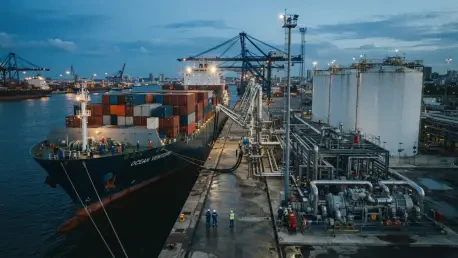
A significant portion of the current industry momentum stems from a coordinated effort by members of the U.S. Congress to influence the Environmental Protection Agency regarding the Renewable Fuel Standard. Lawmakers recently submitted a formal request for greater regulatory clarity, arguing that the existing market for alternative fuels in on-road transportation, specifically heavy-duty trucking, is rapidly approaching a saturation point. To sustain the growth of the biogas sector, they suggest that the federal government must provide clear pathways for credit generation in previously untapped sectors. The primary target for this expansion is the maritime industry, focusing specifically on Category 3 engines that power massive container vessels and cruise ships. While some marine fuels already qualify for credits, the lack of specific guidelines for these larger power plants has hindered widespread adoption. Providing this clarity would allow developers to invest with much greater confidence.
The proposed regulatory solution involves a more precise definition of ocean-going vessels to ensure that ships operating primarily in domestic commerce, such as those navigating inland waterways or traveling between U.S. ports, can qualify for lucrative credits. This policy shift is designed to incentivize the transition to renewable natural gas and liquefied natural gas in the shipping sector, effectively creating a massive new demand center for domestic producers. The American Biogas Council has voiced strong support for these measures, emphasizing that they could facilitate the diversion of millions of tons of organic waste into the maritime fuel supply chain. By aligning federal incentives with the unique needs of the shipping industry, the government can help reduce the carbon footprint of global trade while strengthening the domestic biogas market. This transition also supports the development of new bunkering infrastructure capable of handling high volumes of renewable fuels.
Financial Viability: Leveraging Environmental Credit Markets
The financial stability of the biogas industry is deeply rooted in the valuation of environmental credits, which provide the necessary returns to justify high capital expenditures. Currently, the market exhibits robust pricing for key credits, with D3 Renewable Identification Numbers maintaining a strong position above two dollars, reflecting the high demand for cellulosic biofuels. Similarly, D5 RINs remain a vital component of the economic puzzle for many producers. On the state level, California continues to set the benchmark through its Low Carbon Fuel Standard, where credits often trade near ninety dollars per metric ton of carbon dioxide equivalent. These financial mechanisms effectively transform the process of capturing and refining methane into a high-yield commodity trade. Without these incentives, many complex anaerobic digestion projects would struggle to attract the private equity needed for construction and operation. This market-based approach ensures that decarbonization efforts remain profitable.
High credit values have successfully attracted a new wave of institutional investors who see biogas as a resilient asset class within the broader energy transition. These investors are increasingly focusing on the long-term stability offered by off-take agreements with utilities and large corporate entities looking to meet internal sustainability targets. The ability to forecast revenue based on predictable waste streams and established credit markets has changed the risk profile of anaerobic digestion facilities. Consequently, we are seeing larger project sizes and more sophisticated financing structures that allow for rapid portfolio expansion. This influx of capital is not just funding individual plants but is also supporting the development of the secondary infrastructure needed for gas distribution and compression. As the industry matures, the focus is shifting toward operational excellence and cost reduction through economies of scale. The integration of advanced monitoring software further enhances the profitability of these assets.
Industrial Circularity: Integrating Closed-Loop Energy Systems
A transformative trend in the sector involves the direct integration of biogas production into the manufacturing processes of major food and beverage companies. A prime example of this industrial circularity is the partnership between Purpose Energy and Danone, which resulted in the construction of a forty-million-dollar anaerobic digester in Ohio. This facility is designed to receive wastewater and organic food residuals directly from a nearby yogurt plant via a dedicated pipeline, eliminating the need for carbon-intensive truck transport. By processing a quarter-million gallons of material daily, the system generates a significant volume of renewable natural gas used to power on-site operations. This closed-loop model represents a shift away from selling gas to the grid in favor of displacing fossil fuels at the source of production. Such projects demonstrate how large-scale manufacturers can decarbonize their supply chains while simultaneously managing their waste streams more effectively and economically.
Implementing these on-site energy systems offers significant logistical advantages, including reduced waste disposal fees and lower energy costs over the long term. For food processors, the ability to control their fuel supply provides a hedge against the volatility of traditional natural gas markets. Furthermore, these projects enhance the corporate social responsibility profile of the parent companies, meeting the demands of environmentally conscious consumers and shareholders. The success of these initial installations is creating a blueprint that other heavy industrial players are now eager to replicate. This expansion into the industrial sector moves biogas beyond its traditional roots in waste management and into the realm of strategic energy planning. As these technologies become more standardized, the barriers to entry for smaller manufacturers are also beginning to fall. The result is a more resilient and decentralized energy network that relies on the very waste it produces to function, creating a truly sustainable industrial ecosystem.
Agricultural Scaling: Standardizing Hub-and-Spoke Models
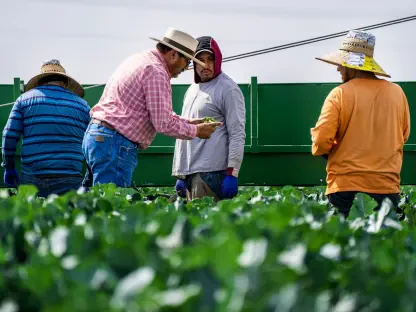
The agricultural sector is undergoing a period of massive consolidation and scaling, fueled by substantial investments from private equity firms. A notable development is the acquisition of a majority stake in Pacific Ag by Ara Infrastructure, a move that underscores the growing confidence in large-scale dairy-to-gas projects. These developers are currently working on some of the largest facilities in the country, such as a major plant in Washington state that will process manure from twenty-five local farms. By aggregating feedstocks from multiple sources, these centralized hubs can achieve the economies of scale necessary for the most advanced gas purification systems. This centralized approach also simplifies the logistics of connecting to the national pipeline network, as a single injection point can serve dozens of individual farms. The integration of cellulosic feedstocks alongside animal waste further increases the methane yield, making these projects even more attractive to investors looking for high-capacity renewable energy assets.
In California, the hub-and-spoke model has been perfected by companies like Aemetis, which has successfully expanded its network to fourteen different dairy digester sites. These locations are connected via a pipeline network to a centralized processing facility, allowing for more efficient cleanup and compression of the raw biogas. A key factor in this rapid expansion has been the move toward standardized, modular equipment designs that can be quickly deployed across new sites. This industrialization of the development process significantly reduces the time and cost associated with engineering and construction. By treating biogas production as a repeatable industrial process rather than a series of custom engineering challenges, the industry is accelerating its overall growth rate. These hubs are also positioning themselves as future fueling centers for heavy-duty commercial fleets, providing a direct link between agricultural waste and the transportation sector. This vertical integration ensures that producers capture more of the value chain.
Modernized Landfill Recovery: Integrating With Global Grids
Landfill operators are increasingly abandoning traditional flaring practices in favor of high-efficiency gas-to-energy conversion systems. In Indiana, the replacement of an old flaring system with a modern recovery plant at the Decatur Hills Landfill illustrates this shift toward maximizing resource recovery. These new facilities use sophisticated filtration and cryogenic separation technologies to extract high-purity methane from the complex gas mixtures produced by decomposing waste. The resulting pipeline-quality gas is then injected directly into local utility grids, where it serves as a direct replacement for geological natural gas. This transition effectively turns a significant environmental liability into a reliable commodity that generates long-term revenue for landfill owners and waste management firms. By partnering with energy marketers, these operators can secure long-term contracts that provide the financial certainty needed for such large investments. The result is a more efficient waste management system that contributes directly to national energy security.
To fully capitalize on these advancements, the industry focused on diversifying feedstock sources and improving the efficiency of carbon capture technologies. Stakeholders successfully moved beyond simple waste management by investing in the research and development of more resilient anaerobic bacteria strains that increased methane yields by ten percent. Legislators and corporate leaders worked in tandem to establish new quality standards that facilitated the seamless integration of renewable gas into international shipping routes. These actions ensured that the infrastructure built today will remain viable as global emission regulations continue to tighten. Moving forward, the industry must prioritize the deployment of decentralized micro-grids that can operate independently during peak demand periods. Future projects will likely integrate green hydrogen production to further lower the carbon intensity of the final fuel product. By maintaining a focus on technological innovation and regulatory advocacy, the biogas sector solidified its role as a critical component of a sustainable energy portfolio.