
Germany stands at a critical juncture where its ambitious Energiewende initiative must finally reconcile the aggressive decarbonization of its heavy industry with the practical realities of a power grid that remains stubbornly fragmented. While the nation successfully shuttered its remaining nuclear reactors and significantly reduced coal consumption, the resulting void was filled by a volatile mix of intermittent wind power and expensive imports that threaten to undermine the manufacturing base. This systemic imbalance is no longer a theoretical concern for policymakers in Berlin, as high electricity costs have forced many medium-sized enterprises, the legendary Mittelstand, to reconsider domestic investments in favor of regions with more predictable energy profiles. The central problem lies in the geographic mismatch between the windy northern regions, which produce a surplus of green energy, and the industrial south, where demand remains voracious and infrastructure lags. Current strategies must address these structural deficits to maintain economic stability while meeting climate targets.
The Infrastructure Challenge: Bridging the North-South Divide
The literal bottleneck of the German energy transition remains the delayed construction of high-voltage direct current transmission lines, specifically the SuedLink project designed to carry offshore wind power from the North Sea to the industrial hubs of Bavaria and Baden-Württemberg. Despite significant legislative reforms intended to accelerate the planning and approval processes, local opposition and technical complexities regarding underground cabling have consistently pushed completion dates further into the late 2020s. Without these physical connections, the northern provinces are frequently forced to throttle their wind turbines during periods of high production to prevent grid overloads, while southern gas plants are paid to ramp up production to meet local demand. This inefficiency leads to substantial redispatch costs, which are ultimately passed on to consumers and industrial users, creating an artificial price floor that keeps German electricity among the most expensive in Europe. Resolving this congestion is the primary requirement for a functional green market.
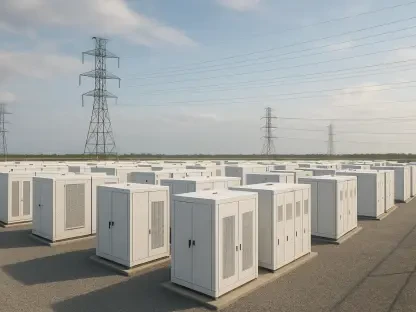
To mitigate this reliance on immediate transmission, the federal government has pivoted toward an aggressive hydrogen strategy, positioning the nation as a future hub for liquid green energy imports and domestic electrolysis. The development of the core hydrogen network, or Kernnetz, represents a massive undertaking that involves repurposing existing natural gas pipelines to transport hydrogen to chemical parks and steel mills. Companies like RWE and Uniper are currently investing billions into large-scale electrolyzers at sites like Lingen and Wilhelmshaven, aiming to create a decentralized storage buffer that can absorb excess renewable generation. However, the transition remains fraught with technical hurdles, as hydrogen embrittlement in older pipes requires specialized coatings and valve replacements that are both costly and time-consuming. This shift necessitates a complete overhaul of the energy value chain, moving away from the centralized fossil fuel model toward a dynamic, multi-modal system that prioritizes long-term storage and flexibility.
The Industrial Crossroads: Ensuring Global Competitiveness
The survival of Germany’s primary industry depends on its ability to decarbonize without losing its edge against global competitors who benefit from significantly lower operational overheads and cheaper raw energy. At the BASF site in Ludwigshafen, the world’s largest integrated chemical complex, the transition to electric steam crackers and heat pumps is already underway, yet the sheer volume of electricity required for these processes is staggering. If the price of electricity does not fall to competitive levels, the incentive for such massive capital expenditure diminishes, leading to carbon leakage where production simply moves to jurisdictions with less stringent environmental regulations. Consequently, the government has been forced to implement temporary relief measures, such as the electricity tax reduction, to keep these vital industries afloat while the grid catches up. This creates a paradox where German climate policy could inadvertently increase global emissions by shifting industrial activity to regions with carbon-intensive energy grids.
The path forward required a decisive move beyond mere capacity expansion toward a holistic integration of storage, transmission, and smart demand management that prioritized economic viability. Policymakers recognized that the energy transition could not succeed in a vacuum and instead worked to harmonize environmental regulations with industrial policy to prevent the hollowing out of the manufacturing sector. Investment in the hydrogen backbone and the acceleration of the SuedLink project served as the primary catalysts for stabilizing prices across the North-South divide. By fostering an environment where innovation in green tech was supported by a modernized regulatory framework, the nation demonstrated that a high-tech economy could indeed thrive on a foundation of carbon-neutral power. This shift ultimately secured the country’s position as a leader in sustainable industrial practices, providing a viable blueprint for other nations to follow as they navigated their own complex energy transitions.