
Successful post-plastic strategies in the French retail sector require clear communication regarding material composition and specific recycling instructions. In the current year of 2026, the French agricultural landscape is undergoing a massive shift as businesses attempt to reconcile strict environmental mandates with the everyday habits of the shopping public. This transition is not merely a matter of swapping materials but involves a profound reassessment of the relationship between the consumer, the product, and the waste left behind. A landmark study conducted by Topo Lab for FranceAgriMer and Interfel has shed light on this complex dynamic, illustrating that while the desire to eliminate plastic is widespread, it is frequently tempered by the harsh realities of food preservation and budget constraints. Shoppers are finding themselves at a crossroads where their environmental ideals often clash with the practical necessity of ensuring that fresh produce arrives home in edible condition. This internal conflict defines the current market, as retailers and producers scramble to find innovative solutions that satisfy the dual demands of ecological integrity and functional reliability.
The Foundation of Choice: Prioritizing Protection and Functionality
The central revelation of the recent research is that the primary expectation of the French consumer remains the physical protection of the product. Despite the high visibility of environmental activism and the general public outcry against synthetic waste, the functional utility of packaging serves as the ultimate arbiter of its success in the marketplace. Shoppers view packaging as a necessary safeguard that prevents bruising, dehydration, and spoilage, ensuring that their investment in fresh produce is not wasted on damaged goods. This “protection-first” mentality suggests that environmental friendliness, while highly valued, is often considered a secondary characteristic that cannot compensate for a failure in basic utility. If a sustainable alternative allows a peach to be crushed or a leafy green to wilt prematurely, the consumer is highly likely to reject the solution in favor of more robust, even if less eco-friendly, traditional options. This reality forces manufacturers to prioritize structural integrity and durability in their design processes, moving beyond simple material substitution to engineer complex solutions that mimic the protective qualities of traditional polymers.
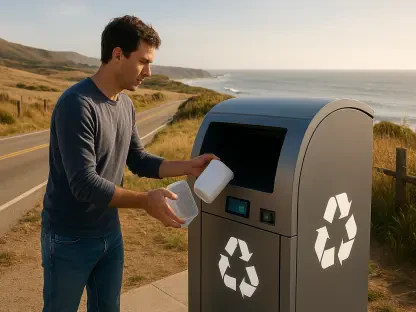
Beyond the immediate need for physical protection, there is an evolving demand for simplified post-consumer management, with ease of recycling now ranking as a top priority for French households. Modern shoppers are increasingly frustrated by multi-material designs that require them to separate different components before disposal, leading to a strong preference for “monomaterial” solutions. This desire for simplicity highlights a shift in consumer behavior where the convenience of the disposal process is viewed as a critical part of the overall product experience. People are looking for packaging that can be tossed into a single recycling bin without further thought or labor, effectively placing the burden of environmental responsibility back on the design of the package itself rather than on the actions of the individual. Consequently, the ease with which a material can be sorted and processed has become just as significant as the total elimination of plastic. Manufacturers who can deliver a single-material solution that fits seamlessly into existing waste management streams are finding themselves at a distinct competitive advantage in a market that is increasingly weary of complex environmental requirements.
Segmentation of the Market: Understanding Three Distinct Consumer Profiles
The French market is currently divided into three distinct psychological segments, each approaching the transition away from plastic with different motivations and levels of commitment. The first group, known as the “Eco-Committed,” represents roughly 24% of the population and serves as the vanguard for zero-waste initiatives. These individuals are highly motivated by environmental integrity and are often willing to sacrifice convenience or even pay a premium for products that align with their ecological values. In contrast, the “Demanding Pragmatists” comprise the largest share of the market at 46%, seeking a delicate balance between high performance and environmental responsibility. This segment refuses to compromise on the quality of the produce or the ease of use, demanding that sustainable materials function exactly like the plastic they are intended to replace. Finally, the “Unengaged” group, making up 30% of consumers, remains largely indifferent to environmental narratives, focusing almost exclusively on the immediate utility, durability, and cost of the packaging. Understanding these nuances is essential for retailers who must cater to a diverse audience with conflicting priorities.
Despite the varying philosophies of these three groups, a surprising level of consensus emerges when consumers are asked to evaluate specific packaging samples in a practical, hands-on environment. When faced with the actual task of selecting produce, the theoretical differences between the “Eco-Committed” and the “Unengaged” tend to narrow, as both groups gravitate toward the same practical conclusions regarding which materials are fit for purpose. For example, there is a general agreement across all demographics that delicate fruits require rigid support, while hardier vegetables can be sufficiently protected by lighter, more flexible materials. This convergence suggests that while values may differ, the fundamental standards for food handling and presentation are deeply ingrained in the French shopping culture. This provides a clear roadmap for the industry, indicating that a successful packaging strategy does not necessarily need to be segmented by demographic, but rather by the specific physical requirements of the produce itself. By meeting these universal standards of quality and safety, brands can effectively bridge the gap between their most environmentally conscious customers and those who are primarily driven by pragmatism.
The Plastic Paradox: Balancing Technical Superiority with Social Rejection
Plastic occupies a paradoxical position in the French retail landscape, characterized by near-universal social rejection alongside continued technical reliance. Qualitatively, plastic is increasingly associated with lower-quality produce and a lack of environmental care, leading to its systematic removal from many store shelves. This rejection is reflected in significantly lower purchase intention scores for traditional plastic trays compared to their sustainable counterparts. However, from a technical perspective, plastic remains the gold standard against which all new materials are measured, offering levels of transparency, hygiene, and robustness that are difficult for cardboard or cellulose to match. This creates a difficult situation for producers who must replace a material that is socially undesirable but functionally superior. The challenge is not just to find a “green” material, but to find one that can duplicate the specific features that consumers have come to rely on over decades of use. Without these features, the transition to sustainable packaging risks being viewed as a step backward in terms of quality and safety, potentially alienating even the most environmentally conscious shoppers.
The removal of plastic has created a “functional vacuum” that alternative materials must fill if they are to gain widespread consumer acceptance. One of the most significant losses is the high degree of visibility that plastic provides, which allows shoppers to visually verify the freshness and quality of the items they are buying. In the absence of this transparency, consumers often feel a sense of distrust, fearing that opaque packaging might be used to conceal inferior or damaged goods. Furthermore, the hygienic seal provided by plastic is often viewed as a marker of safety, protecting the produce from environmental contaminants and tampering. To overcome these hurdles, developers of alternative packaging are increasingly looking toward hybrid solutions that incorporate transparent cellulose windows or innovative perforated designs. These features aim to restore the sense of reassurance that plastic once provided, allowing the customer to feel confident in their purchase without the ecological consequences of synthetic polymers. Success in this area requires a deep understanding of the psychological cues that signal quality to the shopper, ensuring that the new packaging communicates trust as effectively as it protects the product.
Evaluating Material Success: From Cellulose Windows to Cardboard Trays
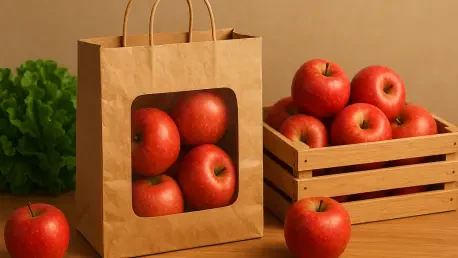
Recent testing of various alternative materials has highlighted both the potential and the limitations of current packaging technology. The clear winner in terms of consumer preference is the paper bag featuring a cellulose hydrate window, which shoppers perceive as the ideal compromise between natural aesthetics and functional visibility. This design satisfies the need for a recyclable, earth-friendly look while still allowing for the visual inspection of the contents. On the other hand, solutions like the cellulose net bag are praised for their eco-friendly appearance but are often criticized for failing to protect delicate items from rough handling during transport. Cardboard solutions, while recognized for their superior strength and sturdiness, often struggle with the issue of visibility; many consumers feel disconnected from the product when it is hidden inside an opaque tray. These findings suggest that there is no universal replacement for plastic, and the success of a specific material is highly dependent on how well it matches the physical characteristics of the food it contains. The industry must therefore move away from a one-size-fits-all approach and embrace a more specialized strategy.
The research concluded that the future of the French produce sector depended on a strategic “product-packaging pair” approach, matching specific materials to the physiological needs of different crops. It was determined that root vegetables and hardy items performed best in paper and netting, while fragile fruits required the structural rigidity provided by molded cellulose or cardboard. Furthermore, industry experts established that clear communication was the most vital component of the transition, as many consumers were initially confused by bio-based materials that resembled traditional plastic. To solve this, brands successfully implemented detailed labeling that explained material composition and provided clear, actionable recycling instructions at the point of sale. By demystifying the technology and focusing on the functional reliability of the packaging, the sector effectively bridged the gap between environmental goals and consumer expectations. This shift finalized the move toward a more sustainable retail model, proving that the French public was indeed ready for change when it was supported by transparency and technical excellence. The resulting strategy fostered a new level of trust between retailers and shoppers, ensuring the long-term viability of plastic-free produce aisles.