
The rapid acceleration of the American energy landscape has reached a critical pivot point as industry leaders scramble to meet tightened regulatory windows. Strategic planning has allowed onshore developers to remain on track for a stable five-year outlook despite the looming 2030 expiration of federal incentives. This resilience is largely a response to the “One Big Beautiful Bill Act,” which established a firm “commence construction” deadline of July 4, 2026. This legislative shift significantly compressed the timelines required for projects to remain eligible for the 45Y clean energy production tax credit and the 48E clean energy investment tax credit. As a result, the market witnessed a substantial surge in turbine orders, reaching nearly 2.8 gigawatts during the most active recent quarter. This rush to secure financial viability through rapid groundbreaking has redefined the operational rhythm of the industry, pushing firms to prioritize immediate execution over long-term exploratory ventures during this high-stakes period of transition.
Regional Dominance: Mega Projects and Onshore Growth
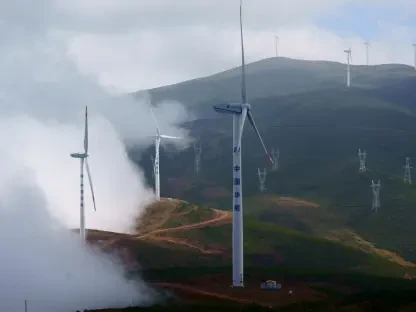
While the federal regulatory environment has introduced new pressures, the onshore sector continues to demonstrate incredible strength through the deployment of massive infrastructure projects. Approximately 5 gigawatts of new capacity were installed during a single recent quarter, a feat largely anchored by the monumental 3.65-gigawatt SunZia project located in New Mexico. This specific development serves as a blueprint for how large-scale utility projects can overcome logistical hurdles and supply chain constraints when paired with robust financial backing. These installations have provided a necessary cushion for the domestic energy portfolio, ensuring that renewable targets remain within reach despite shifting political winds. The sheer scale of these operations underscores a move toward centralizing production in high-yield corridors where the geography naturally supports consistent turbine output. This strategy has stabilized the five-year outlook for onshore wind, providing a sense of certainty to investors and stakeholders alike.
Despite the clear momentum in new project starts, the industry is navigating a complex landscape regarding the upgrading of older assets. There has been a noticeable pullback in repowering initiatives, where existing wind farms are retrofitted with more efficient technology. This slowdown is primarily attributed to lower-than-expected equipment orders as developers redirect their limited resources toward greenfield projects that must meet the 2030 expiration date for federal support. Wood Mackenzie analysts have noted that while the industry is projected to add 39 gigawatts of new onshore capacity between 2026 and 2030, the focus has shifted away from incremental efficiency gains at older sites. This strategic reallocation of capital ensures that the maximum amount of new capacity is brought online while tax credits are still accessible. Consequently, the narrative of the onshore sector is currently defined by a preference for expansion over maintenance in a high-stakes race to secure long-term energy independence for the nation.
Strategic Evolution: Navigating the Post-Incentive Landscape
In contrast to the terrestrial surge, the offshore wind sector struggled under restrictive federal policies and mounting technical hurdles. Executive orders effectively paused new lease sales in federal waters, while simultaneous government efforts aimed at buying back existing leases, creating a climate of profound uncertainty for maritime developers. These political obstacles, combined with legal challenges targeting ongoing construction, capped offshore growth at an estimated 5 gigawatts for the next two years. Simultaneously, the American Society of Civil Engineers introduced stricter design requirements for turbines in tornado-prone areas, a change that significantly drove up capital costs. These engineering mandates necessitated more robust structural integrity and specialized materials, adding another layer of economic pressure to a sector already reeling from regulatory friction. The intersection of these policy-driven and technical challenges forced a strategic pivot, as firms realized that maritime energy would require a more resilient financial framework.
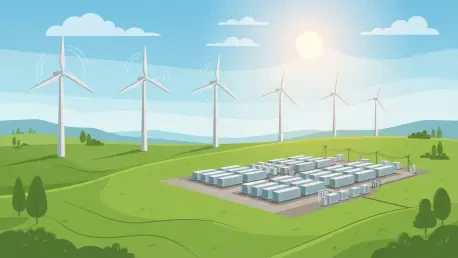
Stakeholders determined that the most viable strategy for long-term stability involved the immediate integration of high-capacity battery storage systems. This shift in focus allowed developers to mitigate the loss of traditional production tax credits by creating more reliable, dispatchable energy profiles. Industry leaders prioritized the expansion of domestic supply chains for turbine components to bypass international shipping bottlenecks that previously hindered growth. Engineers also implemented standardized modular designs that successfully met the rigorous new safety requirements for tornado-prone regions without compromising project timelines. By diversifying revenue streams through corporate power purchase agreements, the sector established a blueprint for operating independently of federal subsidies. These tactical adjustments ensured that the renewable energy transition maintained its momentum while the market adapted to a new regulatory reality. Ultimately, the industry moved toward a self-sustaining model that relied on technological innovation rather than legislative support.