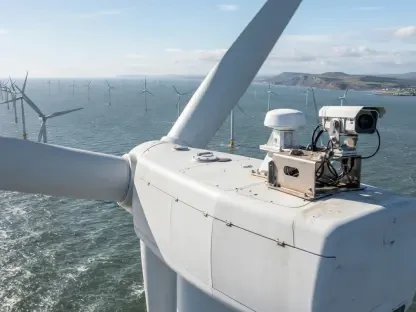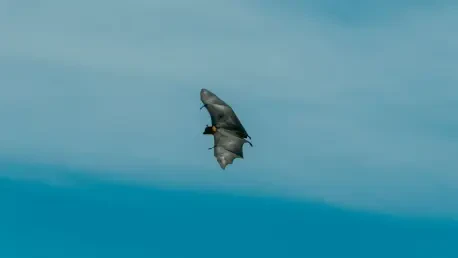

Missouri research projects have successfully validated the correlation between acoustic detection rates and estimated fatality numbers for the endangered Gray Bat. This breakthrough addresses one of the most persistent conflicts in the renewable energy sector: the unintended impact of wind turbines on local wildlife populations. Traditionally, assessing these impacts relied on labor-intensive carcass searches on the ground, a method that is inherently reactive and often misses small or rare species due to scavenger activity or difficult terrain. By shifting the focus to real-time acoustic monitoring, the study at the North Fork Ridge and Kings Point wind farms has provided a more precise way to measure risk. Researchers utilized high-sensitivity microphones mounted directly on 138 turbines to capture the ultrasonic vocalizations of bats as they navigated the airspace near the rotating blades. This approach allowed for a direct assessment of acoustic exposure, transforming how operators understand the immediate presence of protected species in a dynamic environment.
Shifting From Reactive Surveys to Real-Time Monitoring
The transition toward acoustic detection represents a fundamental change in how the wind industry manages its environmental footprint during the 2026-2028 operational cycle. Rather than waiting for evidence of a collision after the fact, turbine-mounted sensors provide a continuous stream of data regarding bat activity patterns in the immediate vicinity of the hazard. This technology captures the echolocation calls that bats emit while foraging or migrating, allowing researchers to identify specific species like the Gray Bat with high accuracy. By analyzing the frequency and timing of these calls, operators can pinpoint exactly when and under what atmospheric conditions the animals are most vulnerable. This granular level of detail was previously unattainable through traditional field surveys, which were limited by human visibility and search frequency. The use of automated acoustic systems ensures that data collection occurs around the clock, providing a comprehensive picture of the aerial environment that remains invisible during standard operations.
A primary advantage of this methodology is its ability to quantify acoustic exposure as a reliable proxy for actual collision risk. The study published in the journal Ecosphere highlights that areas with higher recorded bat activity consistently correlate with higher estimated mortality rates, confirming that sound is a valid metric for safety. This validation is critical for regulatory compliance and for the development of more effective Habitat Conservation Plans. Because the Gray Bat is a federally protected species, wind farm developers face significant legal and ethical obligations to minimize their impact. The acoustic data provides a transparent and verifiable record that can be shared with the U.S. Fish and Wildlife Service, fostering a collaborative relationship between energy producers and conservationists. This transparency helps build public trust in wind energy as a truly green technology that prioritizes the health of the entire ecosystem while delivering carbon-free power to the grid in a sustainable manner.
Optimization of Informed Curtailment and Safety Standards
The research emphasized the effectiveness of curtailment, which involves raising the cut-in wind speed at which turbines begin to spin and generate electricity. Since bats are typically most active during low-wind conditions when insects are easier to hunt, keeping the blades stationary during these periods can drastically reduce the number of fatalities. The data collected in Missouri demonstrated that even modest adjustments to these operational thresholds resulted in substantial reductions in bat exposure. This finding is particularly important because it allows for a more surgical approach to conservation. Instead of shutting down operations for extended periods based on broad generalizations, operators can now implement more targeted interventions. By understanding the specific wind speeds and temperatures that trigger Gray Bat activity, the industry can protect these animals without unnecessarily sacrificing the output of renewable energy, ensuring that the transition to clean power remains economically viable and ecologically sound for all.
Moving toward a model of activity-based informed curtailment allows for a dynamic response to the actual presence of wildlife rather than relying on static, seasonal averages. The Missouri study revealed that bat activity is highly episodic, concentrated during specific windows of time rather than spread evenly throughout the year. This insight enables wind farm managers to refine their software algorithms to trigger curtailment only when the sensors detect a high density of acoustic signals. This level of responsiveness minimizes the lost energy that occurs when turbines are shut down during times when bats are not actually present. As the industry moves forward, the integration of these smart sensors into the standard design of wind farms will likely become a best practice. This approach balances the dual goals of maximizing energy production and ensuring the long-term survival of endangered species, proving that technological advancement and ecological stewardship are not mutually exclusive goals in modern energy.
Practical Implementation and Actionable Next Steps
The research conducted at the North Fork Ridge and Kings Point facilities established a definitive roadmap for the coexistence of wind energy and protected wildlife. It demonstrated that the deployment of high-fidelity acoustic sensors provided the necessary data to transition from broad, inefficient mitigation strategies to precise, activity-based protocols. This shift prioritized the safety of the endangered Gray Bat while maintaining the operational integrity of the power plants. For future projects, stakeholders recognized the importance of integrating these monitoring systems during the initial construction phase rather than as a secondary addition. Moving ahead, industry leaders recommended that regulatory frameworks should adapt to include real-time acoustic metrics as a standard for environmental impact assessments. This proactive stance ensured that renewable energy growth remained sustainable and accountable. By fostering collaboration between engineers and biologists, the project successfully proved that data-driven solutions were the most effective tools for preserving biodiversity.