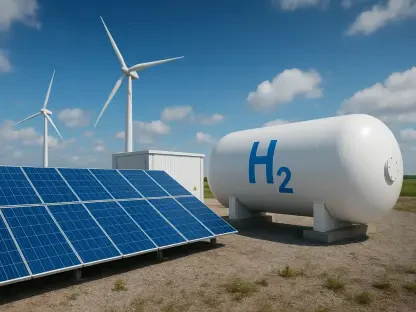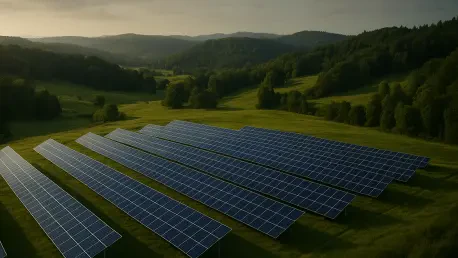

Community members are lobbying for significantly larger buffer zones to protect their private properties from potential fire hazards and noise pollution. This demand emerged as the central theme during a recent standing-room-only meeting held by the Vernon Parish Police Jury, where the future of the ambitious Sunstripe Solar project hung in the balance. Proposed by Treaty Oak Clean Energy, the initiative seeks to utilize approximately 7,000 acres of land, promising a substantial infusion of $30 million in tax revenue specifically earmarked for local school systems and infrastructure improvements. However, the sheer scale of the development has sparked a wave of skepticism among residents who fear that the rural character of their community is being traded for financial gain. Local officials found themselves navigating a complex landscape of public safety concerns and economic opportunities, deciding that the existing regulatory framework was insufficient to handle a project of this magnitude.
Regulatory Revisions: Addressing Setback Standards
The primary legislative tool under scrutiny is Ordinance No. 9, which establishes the foundational rules for setbacks between solar arrays and adjacent private lands. Current regulations mandate a 150-foot buffer from existing residences and a mere 25 to 50 feet from property lines, figures that many community members characterized as dangerously inadequate during public testimony. In response to these persistent complaints, the Police Jury opted to table a planned amendment and instead maintain a temporary moratorium on all new solar farm construction. This strategic pause allows the legal and planning committees to refine the language of the ordinance, with the goal of implementing much stricter guidelines that align with modern safety standards. The debate highlights a fundamental disagreement over what constitutes a safe distance, as residents point to the lack of historical data regarding the long-term impacts of living in close proximity to high-voltage equipment and lithium storage.
Environmental Preservation: Risks of Erosion and Land Use
Beyond the immediate safety of residential structures, the hilly topography of Vernon Parish presents unique environmental challenges that the current project plan may not fully address. Nancy Whitlock, a local farmer and vocal opponent of the development, raised critical questions during the session about the high risk of soil erosion associated with clearing thousands of acres of timberland. Because the region is prone to heavy rainfall and rapid runoff, residents worry that the removal of natural vegetation will lead to devastating siltation in local waterways and damage to neighboring agricultural operations. These concerns are compounded by skepticism regarding the soil testing methodologies employed by Treaty Oak Clean Energy, with many demanding independent environmental impact studies before any ground is broken. The possibility of permanent structural damage to the landscape underscores the necessity for the Police Jury to mandate comprehensive land management plans that go far beyond standard mitigation.
Financial Considerations: Weighing Revenue Against Local Impact
In defense of the project, representatives from Treaty Oak Clean Energy have emphasized the transformative economic potential of the Sunstripe Solar initiative. Nick Jasman, a spokesperson for the developer, clarified during the proceedings that the 7,000-acre footprint is a total project area rather than a continuous field of panels, allowing for significant environmental avoidance zones and natural buffers. He maintained that the company aims to be a dedicated long-term partner, contributing to the parish’s fiscal health for decades to come through increased tax assessments. Some local leaders, including Juror David Fox, acknowledged the difficulty of balancing these lucrative financial benefits with the deeply personal quality-of-life concerns expressed by their constituents. The promised revenue could provide essential funding for aging bridges and underfunded classrooms, yet the trade-off remains a point of intense contention for those who value the preservation of the rural landscape over fiscal growth.
Social Dynamics: Lessons From Surrounding Parishes
The apprehension within the parish is not merely theoretical but is fueled by cautionary tales from neighboring jurisdictions that have already integrated large solar installations. Resident Nich Gehrig shared disturbing anecdotes from Beauregard Parish, where construction activities reportedly led to significant livestock losses due to excessive dust and the disruption of local grazing patterns. Furthermore, the influx of transient contracted workers has been linked to increased property theft and hazardous road conditions, creating a sense of social instability that residents are eager to avoid. These reports have created a consensus among skeptics that the polished presentations provided by energy firms often omit the gritty, day-to-day realities of living near a construction site of this scale. This experiential data has forced the Police Jury to reconsider the social costs of renewable energy expansion, shifting the focus from purely economic metrics to a more holistic evaluation of community safety and parish life.
Strategic Governance: Implementing Accountable Frameworks
The decision to delay the project reflected a necessary shift toward a more cautious and transparent governance model for renewable energy. Moving forward, the parish officials established a pathway for integrating community feedback into the final legislative draft, ensuring that future developers are held to the highest possible standards of accountability and land stewardship. To mitigate the issues observed in nearby parishes, the committee recommended the implementation of mandatory performance bonds and rigorous third-party monitoring of all construction phases starting in late 2026. This approach ensured that the financial burden of potential environmental remediation would fall on the developer rather than the taxpayers. Additionally, the jury prioritized the creation of a specialized task force to oversee the synthesis of diverse public perspectives ahead of the final hearing on October 19. By demanding comprehensive site-specific data and expanding protective buffers, the parish created a robust blueprint.