
The rapid electrification of the American Northeast has created a pressing need for sophisticated grid management solutions that can balance variable supply with surging urban demand. Located in Chelsea, Massachusetts, the Energizar project aims to provide a critical clean energy resource for high-demand urban load centers near the Boston area. Flatiron Energy has recently achieved a landmark financial milestone by securing $850 million in total funding for this massive battery energy storage system. This substantial capital infusion, finalized in October 2026, includes a sophisticated mix of construction loans, bridge facilities, and preferred equity, signaling profound institutional confidence in the resilience of the American power grid. By funding this 1,200 megawatt-hour facility, global investors are backing one of the most ambitious urban energy transitions in the nation. This development marks a pivotal shift in how major metropolitan areas secure their power needs while moving toward a more sustainable and reliable electrical architecture.
Strategic Infrastructure and Regional Impact
Building the East Coast’s Largest Storage Asset
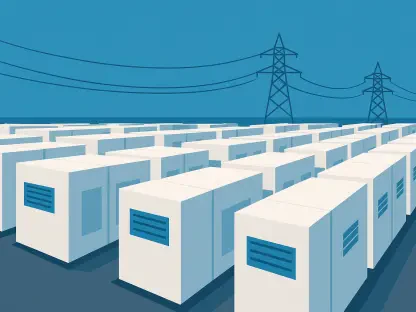
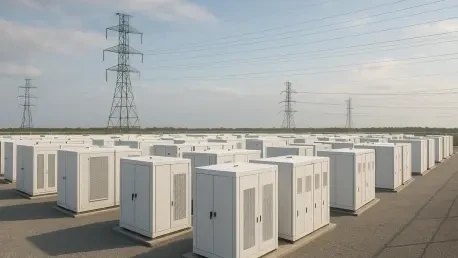
The Energizar project is positioned to become the largest battery storage installation on the East Coast, serving as a vital component of the Boston-area power network. With a staggering capacity of 1,200 megawatt-hours, the facility is designed to provide critical peaking resources, ensuring that local communities have access to reliable power during periods of peak demand. By placing such massive storage capacity within a dense urban corridor, Flatiron Energy is addressing the unique challenges of high-load centers while reducing reliance on older, less efficient infrastructure that has historically struggled to keep pace with modern consumption patterns.
This strategic placement in Chelsea allows for the direct injection of power into the most stressed parts of the regional grid, minimizing the transmission losses that often plague remote renewable energy sites. The technical scale of the facility represents a new era for metropolitan utility projects, where large-scale storage serves as the primary buffer against energy volatility. As the project progresses toward its expected completion in late 2027, it serves as a massive physical anchor for the region’s energy strategy, providing the necessary volume of storage to handle the demands of a modern digital economy.
Supporting Grid Stability and Reliability
As traditional fossil-fuel-based “peaker plants” are phased out across the Northeast to meet increasingly stringent environmental regulations, Energizar will step in to fill the resulting capacity gap. The system operates by storing excess energy during off-peak hours—when production from renewable sources or base-load plants exceeds demand—and discharging it when the grid is most stressed. This functionality enhances overall stability and helps lower costs for ratepayers by reducing the need for expensive, carbon-intensive emergency power generation that is often triggered during summer heatwaves or winter storms.
This transition to a cleaner, battery-backed grid ensures that the ISO New England market remains resilient while pursuing its long-term decarbonization objectives. By providing essential capacity services, the Energizar facility acts as a stabilizing force that can respond to fluctuations in milliseconds, a feat that older mechanical plants cannot achieve. The integration of this technology allows for a higher penetration of variable renewable energy sources like offshore wind, as the batteries can smooth out the intermittency that has historically complicated the expansion of green energy in the Massachusetts region.
Complex Financial Structures and Global Partnerships
Navigating Multi-Layered Financing Mechanisms
The $850 million funding package reflects a sophisticated blend of traditional debt and modern financial innovation, necessitated by the sheer scale of the project. A consortium of leading international banks, including Nord L/B, Santander, and Societe Generale, acted as the coordinating lead arrangers for the debt component. Their involvement underscores a high level of global interest in American green infrastructure and suggests that utility-scale battery storage has moved from a niche investment into a mainstream asset class that attracts the world’s most conservative and significant financial institutions.
In addition to the primary debt, the project utilizes preferred equity from a major global asset manager and sophisticated interest rate hedging managed by Riverside Risk Advisors. This multi-layered approach protects the project from the inherent volatility of capital markets during its construction phase. By diversifying the capital stack, Flatiron Energy has created a robust financial foundation that can withstand economic shifts between 2026 and 2028. This participation from Investec and East West Bank, along with Siemens Financial Services, highlights a collaborative effort to fund the next generation of American energy infrastructure.
Leveraging Tax Credit Transfers and Policy Incentives
A standout feature of the project’s financial architecture is its innovative use of tax credit transferability, a mechanism that allows for the immediate monetization of federal Investment Tax Credits. Two Fortune 500 corporations have already committed to purchasing these credits, providing the project with essential liquidity during the most capital-intensive stages of construction. This approach demonstrates how current energy policies are being effectively utilized to transform future tax benefits into the up-front capital required for large-scale utility projects, effectively bypassing traditional financing hurdles.
This monetization strategy provides a blueprint for other developers looking to scale up battery storage in high-cost urban environments. By efficiently capturing the value of federal incentives, Flatiron Energy has lowered the overall cost of capital, a benefit that ultimately flows through to the sustainability of the project. The ability to trade these credits directly with corporate entities represents a significant evolution in renewable energy finance, creating a more liquid and efficient market for clean energy incentives that were previously difficult for smaller or specialized developers to utilize at this specific scale.
Industry Leadership and the Future of Energy
Collaborative Efforts in Urban Development
Reaching a financial close on such a large urban project highlights a successful model of community engagement and technical planning in a challenging regulatory environment. Developing utility-scale storage in densely populated areas like Chelsea requires navigating strict safety protocols, local zoning laws, and complex land constraints. This feat was accomplished through the close collaboration of legal, financial, and technical experts from firms like Orrick and Foley Hoag, who worked to ensure the project met every local requirement while providing tangible benefits to the host community.
This achievement proves that high-capacity storage is both commercially viable and operationally feasible in major metropolitan areas when handled with transparency and expertise. By addressing community concerns regarding safety and site usage early in the process, the Energizar project established a level of trust that is often missing in large infrastructure deals. This collaborative framework now serves as a vital case study for future developments in other major cities, illustrating that the path to a cleaner grid must include the active participation and support of the people living closest to the essential infrastructure.
The Evolution of Utility-Scale Battery Storage
The successful implementation of the Energizar project confirmed that battery storage moved from an experimental technology to the foundational backbone of the modern electric grid. Stakeholders across the energy sector observed how the integration of intermittent renewable sources was significantly improved by the presence of large-scale storage assets. This project proved that technical expertise combined with sophisticated financial engineering could overcome the traditional barriers to urban energy storage. The decision to prioritize reliability and clean capacity resulted in a more resilient ISO New England market that was better prepared for future energy shifts.
Industry leaders emphasized the importance of taking actionable steps toward grid modernization by diversifying energy assets and investing in high-capacity storage. Moving forward, developers were encouraged to look toward the Energizar model as a successful template for urban grid support and tax credit utilization. The project demonstrated that the transition to a sustainable future required not just new technology, but also a commitment to innovative financing and community-centric planning. By following this established path, the energy industry began to see a more stable and cost-effective energy supply for residents across the entire East Coast.