
The mounting crisis of global electronic waste has traditionally been viewed through the lens of environmental liability, but a transformative shift is now repositioning these discarded components as a vital source of domestic raw materials. This paradigm shift replaces the fragmented and often inefficient local scrapping scene with a structured national franchise model that treats electronic scrap as high-value inventory rather than simple refuse. By moving beyond the “trash” mentality, organizations are finding that the hidden gold, silver, and copper inside outdated servers and smartphones offer a lucrative opportunity for those with the right logistics. The emergence of City eWaste signifies a maturing industry where environmental stewardship meets aggressive business scalability. As urban centers become the primary mines for the modern technological age, the challenge lies in creating a system that is both economically viable and ethically grounded. This new model bridges the gap between the chaotic world of independent scrappers and the sterile, high-volume operations of corporate recycling giants, providing a blueprint for sustainable growth in the circular economy. This evolution focuses on strategic market positioning and technological adaptation to transform environmental challenges into a viable business framework that benefits the environment and the economy.
Transforming Discarded Electronics into Strategic Inventory
The Genesis: From Spare Rooms to Municipal Contracts
The inception of the current urban mining movement began with a realization that even the most damaged machinery contains intrinsic value that transcends its functional utility. Matthew Rogers initially operated out of a spare room in 2019, but the real breakthrough occurred when he secured a landmark municipal contract in Franklin, Tennessee, proving the concept on a public scale. This initial phase of development highlighted that the primary obstacle to profitable recycling was not a lack of material, but a lack of structured logistics. By treating water-damaged servers and obsolete hardware as assets rather than burdens, the venture established a proof-of-concept for public-private partnerships.
The success in Tennessee demonstrated that a local government could effectively offload its electronic waste management to a specialized entity, thereby saving taxpayer money while simultaneously creating a revenue stream for the recycler. This period of early growth solidified the business philosophy that sustainability is most effective when it is inherently profitable and scalable. The transition from a hobbyist mindset to a corporate logistics strategy was the essential catalyst for moving the industry beyond the limitations of local operations into a wider market. By formalizing the “sourcing, sorting, and selling” process, the company ensured that every piece of hardware underwent a rigorous evaluation.
Strategic Sourcing: Maximize the Lifecycle of Components
Central to the success of this model is a rigorous system that maximizes the lifecycle of every component through targeted digital sourcing and niche market identification. By utilizing digital tools like specialized social media groups and keyword-optimized pages, the business identifies markets for rare or obsolete electronics that large recyclers often ignore. This targeted sourcing ensures that functional or repairable devices are diverted away from the furnace and toward secondary markets where they command a premium price. The ability to find these specific high-value items transforms the basic economics of recycling, allowing smaller local branches to compete with national conglomerates.
This meticulously managed inventory approach ensures that functional devices are repaired and reused, while end-of-life items are processed for the secondary metals market, leaving almost nothing behind as true waste. It is this marriage of digital marketing and physical logistics that enables the system to flourish in diverse urban environments by tapping into previously hidden value. The process of identifying value in what others consider junk requires a deep understanding of the secondary electronics market and a commitment to detailed inventory management. By focusing on the high-margin middle market, the franchise model maintains a competitive edge over bulk shredding operations that lose value in the processing phase.
Component Triage: Efficiency and Market Value
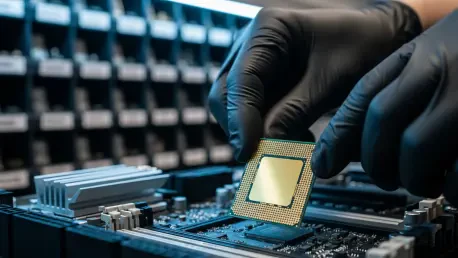
The “sorting and selling” phase is equally critical, as it dictates the final recovery value of the inventory collected by each franchisee and ensures minimal environmental impact. Every item brought into a facility is triaged based on its condition and technical specifications to determine whether it should be refurbished, stripped for parts, or sent for metal recovery. This ensures that the organization extracts the maximum possible utility from every piece of electronic scrap, supporting the core principles of a circular economy. End-of-life items that cannot be repaired are processed for the secondary metals market, where demand for copper, aluminum, and gold remains high.
By maintaining such a high standard of material recovery, the franchise provides a reliable supply of raw materials for domestic manufacturing, further reinforcing the concept of urban mining as a strategic resource. The focus on maximizing value at every touchpoint not only boosts profitability but also fulfills the ethical mandate of reducing the environmental footprint of the electronics industry. This systematic approach allows for predictable revenue streams and sustainable business growth regardless of the economic climate. Moreover, by providing a transparent and efficient path for materials to return to the manufacturing cycle, the organization helps to stabilize the prices of rare earth metals used in new tech.
Scaling the Network Through Professionalization
Navigating the Middle Market Gap
The global pandemic acted as a catalyst for expansion, as municipal services struggled to manage a surge in residential electronic waste. Rogers met this demand by hiring local labor and utilizing unconventional storage spaces, which eventually led to the formalization of the business as a national entity. This period of rapid growth highlighted a significant “middle market” gap between independent truck-based scrappers and high-volume corporate recyclers that the company was uniquely positioned to fill. To capture this underserved market, the organization developed the first e-scrap franchise model, recruiting talented owner-operators to lead local branches across the country.
These franchisees undergo a technical training program known as “eWaste University,” which provides the skills necessary to navigate the complexities of electronic recycling. By centralizing administrative support and logistics, the franchise offers a turnkey solution that allows for national expansion without the burden of heavy corporate debt. This strategy has allowed the brand to establish sixteen locations quickly, providing a standardized level of service that was previously unavailable to small businesses and local municipalities. The focus on local ownership ensures that each branch is deeply integrated into its community, fostering trust and long-term partnerships that drive consistent material inflow.
National Security: Reclaiming Resources for Domestic Resilience
The reclamation of rare earth metals and domestic materials through urban mining was a critical factor in strengthening the national supply chain over the past several years. By reducing the reliance on foreign mining operations, the franchise model transformed the way industry leaders thought about resource management and national security. During the expansion phase, the organization prioritized the security of information as much as the recovery of valuable metal resources. Strict destruction protocols were implemented at every location, ensuring that sensitive drives were handled with the same level of care found in top-tier data centers. This dual focus allowed the brand to capture a significant share of the market.
Organizations discovered that by focusing on data sovereignty and material transparency, they could unlock previously inaccessible corporate contracts and government partnerships. The integration of high-level technical training through specialized internal programs empowered local operators to handle increasingly complex electronic waste streams. Moving forward, the focus shifted toward the implementation of advanced chemical extraction for precious metals and the expansion of residential collection hubs. These developments proved that the franchise model provided the necessary scale and security to handle the world’s fastest-growing waste stream while simultaneously creating a robust secondary market for rare minerals.