
Intermediate crops contribute to environmental stewardship by improving soil structure and increasing carbon sequestration during the off-season of traditional farming calendars. This fundamental agricultural truth has become the cornerstone of a transformative partnership between the agricultural science leader Vylor and the energy major bp. Their joint venture, Etlas, was established to address the critical shortage of low-carbon feedstocks required for the burgeoning Sustainable Aviation Fuel and renewable diesel markets. By late 2026, this collaboration has evolved from a theoretical framework into a tangible, industrial-scale initiative that bridges the historical gap between the energy and agricultural sectors. The project identifies Romania as a primary theater for this transition, utilizing the nation’s vast and productive landscape to demonstrate how the intensification of existing land can satisfy the dual demands of food security and climate action. This strategic alignment represents a departure from traditional biofuel models that often relied on primary food crops or land expansion, offering instead a model of additionality that benefits the entire value chain.
A Synergy: Agricultural Expertise and Energy Infrastructure
The success of the Etlas venture is predicated on the unique integration of two vastly different industrial spheres. Vylor provides the project with deep-rooted expertise in plant genetics, seed technology, and long-standing relationships with the farming community across Europe. This allows the venture to deploy specific crop varieties that are not only high in oil content but also resilient enough to thrive in the short growing windows between primary harvests. Without this level of genetic precision, intermediate crops would likely fail to provide the consistent yields necessary for industrial processing. On the other hand, bp brings the necessary midstream and downstream infrastructure to the table. The energy giant possesses the refining capabilities and market access required to convert raw agricultural products into high-grade biofuels that meet the strict technical standards of the aviation and logistics industries. This combination ensures that the journey from a seed in a Romanian field to fuel in a jet engine is managed with professional oversight at every stage.
This partnership serves as a direct response to the increasing regulatory pressures within the European Union, specifically the mandates outlined in the RED III and ReFuelEU frameworks. As of 2026, the demand for sustainable feedstocks has far outpaced the availability of traditional waste oils, such as used cooking oil or animal fats. To meet the ambitious decarbonization targets set for the transport sector, the industry required a new, scalable source of raw material that does not disrupt global food markets. Etlas was designed to fill this specific void by creating a predictable and reliable supply chain that allows energy producers to make long-term investment decisions. By architecting a system where agricultural production is synchronized with energy demand, the venture provides a blueprint for how large-scale industrial players can collaborate to solve some of the most complex challenges of the green transition. The goal is to move beyond small-scale pilots toward a permanent, commercially viable feedstock category that energy companies can rely on for decades.
Strategic Advantages: The Intensification of the Hectare
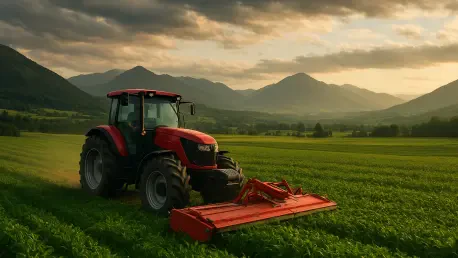
The primary innovation of the intermediate crop model lies in the “intensification of the hectare,” a concept that maximizes the productivity of existing farmland without the need for deforestation or land-use changes. By planting oilseeds during the fallow periods that naturally occur between primary food crop cycles, Etlas allows farmers to produce energy feedstocks on the same land used for wheat, corn, or barley. This effectively sidesteps the ethical concerns regarding food versus fuel, as these secondary crops do not displace the production of human or animal nutrition. Furthermore, the environmental benefits of this practice extend beyond the fuel produced; these crops act as a biological protective layer for the soil. They prevent nutrient leaching and erosion while actively pulling carbon dioxide from the atmosphere during months when the land would otherwise be bare. This regenerative approach ensures that the energy transition supports, rather than depletes, the natural capital of the agricultural landscape.
From the perspective of the individual grower, intermediate cropping provides a vital secondary revenue stream that enhances the overall financial stability of the farm. In a period characterized by volatile commodity prices and increasing weather-related risks, having an additional harvest from the same plot of land provides a necessary economic buffer. These crops are specifically selected for their low carbon intensity, which makes the resulting oil highly valuable in the renewable energy market. Because the carbon footprint of these crops is calculated differently than that of primary crops—often receiving credits for soil carbon sequestration—they offer a superior raw material for refiners looking to meet stringent environmental standards. This creates a powerful economic incentive for farmers to adopt sustainable practices, as the reduction of carbon intensity becomes a direct driver of profitability. By aligning environmental goals with the financial interests of the agricultural community, Etlas has created a self-sustaining model that encourages widespread adoption across diverse farming regions.
RomaniA Regional Hub for Biofuel Innovation
Romania has emerged as the central pillar of the Etlas strategy due to its unique combination of agricultural scale and a forward-thinking farming community. The country is home to some of the largest and most sophisticated farming operations in Europe, managed by growers who have a proven track record of adopting new technologies and complex crop rotations. These “pioneer” farmers are essential to the success of intermediate crops, as the management of these secondary cycles requires a high degree of technical skill and logistical coordination. Initial large-scale trials conducted in the Romanian countryside have already demonstrated that second-crop sunflowers and other oilseeds can achieve the yields necessary to support industrial processing. The favorable climate and soil conditions in regions like the Danube Plain provide an ideal environment for the specific growth cycles that Etlas requires, making the nation a natural leader in this nascent European value chain.
Beyond the fields themselves, Romania possesses a robust midstream infrastructure that is being adapted to support the new biofuel economy. The country already has an established network of crop aggregators, storage facilities, and crushing plants that serve the traditional agricultural market. While these facilities must undergo technical upgrades to handle the specific requirements of intermediate oilseeds, the foundation for a large-scale supply chain is already in place. By integrating these new crops into the standard Romanian agricultural calendar, the project is helping to transform the nation’s agricultural heritage into a strategic asset for European energy security. This shift not only boosts the total agricultural output of the country but also positions Romania as a vital supplier of the low-carbon feedstocks needed to fuel the transport systems of the future. The ability to source these materials locally reduces the European Union’s reliance on imported biofuels and enhances the resilience of the regional energy market.
Navigating Challenges: Logistics and Regulatory Certainty
The creation of an entirely new value chain is not without its operational hurdles, particularly when it requires the synchronization of stakeholders across different industries. Etlas operates as an orchestrator, a role that involves coordinating seed distribution, crop management, local aggregation, and industrial crushing before the oil even reaches a refinery. Each step in this process must be carefully timed to ensure that the intermediate crop does not interfere with the planting or harvesting of the primary food crop. If the logistics are not managed with precision, the entire system can become economically unviable for the farmer or the processor. Therefore, the venture is investing heavily in digital tracking systems and logistical software to monitor the movement of feedstocks and ensure that the value created is shared equitably among all participants. Establishing this level of transparency is crucial for building the trust needed to maintain long-term partnerships with hundreds of individual growers.
Regulatory stability remains a significant factor in the speed at which this new industry can scale. For investors to commit the private capital required for specialized machinery and large-scale crushing facilities, they need a clear and predictable policy environment that extends through 2028 and beyond. While existing mandates like RED III have provided the initial momentum, there is a continued need for specific technical definitions and support mechanisms for intermediate crops at both the EU and national levels. Industry leaders are advocating for policies that recognize the unique environmental benefits of these crops, such as their role in soil health and carbon sequestration. Without a stable regulatory framework, the transition to renewable fuels may be slowed by uncertainty, preventing the industry from reaching the scale necessary to have a meaningful impact on global emissions. Clearer guidelines would allow for more aggressive expansion and help unlock the full potential of the European bio-economy.
Execution Strategy: Genetics and Equitable Value Sharing
A key component of the Etlas execution strategy involves the use of advanced plant genetics to maximize the efficiency of every hectare. By utilizing Vylor’s proprietary Pioneer genetics, the project provides farmers with seeds that are specifically bred for short growing seasons, cold tolerance, and high oil concentration. This genetic precision is what makes the intermediate model possible, as it allows the crop to reach maturity and be harvested in the narrow window between the summer harvest and the autumn planting of winter wheat or barley. These seeds are the product of years of intensive research and field testing, designed to perform reliably under the specific environmental conditions found in Central and Eastern Europe. By providing high-quality genetics, Etlas reduces the production risk for the farmer and ensures that the crushing plants receive a high-integrity raw material that is optimized for biofuel production.
The economic sustainability of the project depends on a fair value-sharing model that incentivizes long-term participation from all actors in the supply chain. Etlas has focused on creating commercial agreements that provide farmers with a guaranteed market and a transparent pricing structure for their intermediate crops. This removes much of the market risk associated with introducing a new crop into a traditional rotation. By ensuring that farmers are compensated for the low carbon intensity of their harvest, the venture turns environmental stewardship into a tangible financial asset. This approach fosters a sense of partnership between the agricultural and energy sectors, where both parties have a vested interest in the success of the harvest. As the project moves toward its first major industrial-scale productions, the focus remains on refining these commercial models to ensure they remain attractive even as market conditions evolve. This economic alignment is what will ultimately drive the transition from localized pilots to a standard agricultural practice across the continent.
Future Considerations: The Unified Bio-Economy
The establishment of the Etlas joint venture and its expansion in Romania demonstrated that the historical divide between agriculture and energy was no longer sustainable. By late 2026, the successful integration of intermediate crops into the standard agricultural landscape proved that land could simultaneously serve the needs of the food industry and the energy sector. This movement effectively turned the Romanian countryside into a high-tech laboratory for sustainable innovation, where every hectare of land was made more productive and more valuable. The project successfully navigated the early logistical challenges of feedstock orchestration and established a clear path to market for low-carbon oils. As the industry moved toward the end of the decade, the focus shifted from proving the concept to achieving the massive scale required to displace significant volumes of fossil fuels in the aviation and transport industries.
To maintain this momentum through 2028, stakeholders must prioritize the further development of specialized crushing infrastructure and the standardization of carbon intensity tracking. The industry realized that the primary barrier to expansion was no longer the technology of the seeds themselves, but the physical capacity to process and transport the resulting oils. Moving forward, governments and private investors should focus on providing the capital needed to upgrade regional processing hubs, particularly in Central and Eastern Europe. Furthermore, there is a clear need for a unified digital platform that can certify the sustainability credentials of intermediate crops in real-time, providing refiners with the data they need to comply with evolving regulations. By focusing on these infrastructure and data-driven solutions, the European bio-economy will be able to provide a reliable, home-grown source of energy that supports both rural prosperity and global climate goals.