
Cuban authorities have characterized the recent increase in U.S. fuel interceptions as a form of economic warfare that targets the island’s basic infrastructure. This assertion follows a series of aggressive enforcement actions led by Homeland Security Investigations and Customs and Border Protection, resulting in the seizure of ninety consignments of biodiesel. These shipments, valued at approximately three million dollars and totaling over six hundred thousand gallons, were halted at Port Everglades and the Port of Houston. The strategic focus of these operations was Enetec S.A., a prominent Havana-based wholesaler blacklisted by the Office of Foreign Assets Control. By cutting off these supplies, federal authorities aimed to enforce the International Emergency Economic Powers Act with unprecedented rigor. This crackdown represents a shift toward more granular monitoring of trade records to identify and disrupt any attempts to bypass export laws, ensuring that sanctioned entities remain isolated from global supply chains.
Strategic Enforcement: Monitoring Trade Intelligence
The technical execution of these seizures relied on a sophisticated integration of intelligence and real-time trade data analysis. Federal agencies worked in tandem to track the movement of liquid fuels through various international ports, looking for discrepancies in manifests that might suggest a destination in Cuba. This collaborative framework allowed for a surgical strike against the logistical network supporting the island’s energy infrastructure. By analyzing shipping routes and financial transactions, authorities identified vulnerabilities in the supply chain that had previously gone unnoticed by standard inspections.
Beyond the legal justifications, these actions served as a deterrent to other international shipping firms that might consider facilitating trade with restricted entities. The use of advanced tracking technology and increased personnel at domestic shipping hubs has made it increasingly difficult for sanctioned organizations to secure the raw materials necessary for power generation. This proactive stance underscores the commitment of the administration to leveraging administrative tools as a means of exerting significant economic influence over foreign markets that challenge regional security.
Maritime Blockades: Addressing Grid Instability
Expanding beyond domestic ports, the United States Coast Guard has intensified its presence in international waters to intercept vessels suspected of transporting fuel. Recent operations successfully identified and stopped tankers such as the Grace and the Jaira Provider, which were documented moving fuel between regional refineries and Cuban terminals. This trend indicates a transition from simple regulatory enforcement toward a comprehensive maritime blockade designed to isolate the Havana government from its partners. By physically preventing these vessels from reaching their destinations, the U.S. effectively severed a vital lifeline.
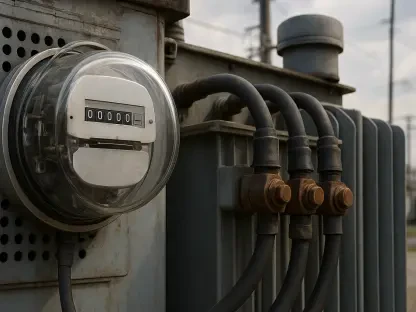
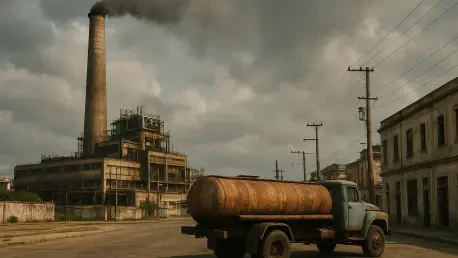
The domestic consequences of these fuel seizures are becoming visible across the Cuban landscape, where a dilapidated electrical grid is struggling to function under the weight of chronic shortages. Constant power outages now threaten essential public services that rely on a steady supply of diesel and fuel oil. Hospital operations have been frequently disrupted, forcing medical staff to rely on aging backup generators that are themselves prone to failure. These logistical failures have created a feedback loop of economic hardship, as the inability to power industrial sectors further inhibits the capacity to repair the grid.
Strategic Outlook: Navigating the Energy Deficit
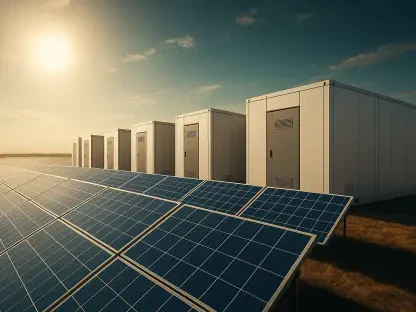
In the months that followed these enforcement actions, international organizations analyzed the potential for long-term shifts in energy procurement strategies within the Caribbean. Experts suggested that the Cuban government might have attempted to diversify its energy mix by investing in smaller, decentralized renewable energy projects to bypass the need for centralized fuel imports. This shift necessitated a focus on modular technologies that were harder to track and intercept compared to large oil tankers. These efforts were intended to provide a more stable foundation for the nation’s struggling power distribution system.
Meanwhile, the administration considered the implications of secondary sanctions on third-party countries that continued to facilitate energy transfers to the island. Navigating this complex landscape required a delicate balance between enforcing national security objectives and avoiding a complete regional disaster. Stakeholders ultimately sought a pathway that addressed the immediate energy shortfall while fostering a more resilient and transparent infrastructure for the future. These measures focused on ensuring that humanitarian needs were met without inadvertently strengthening the sanctioned political structures.