
Global energy markets are currently witnessing a profound transformation as the urgency of climate change forces a radical rethinking of how society handles its most basic biological waste streams. While solar and wind power have successfully dominated the conversation regarding renewable electricity, a different kind of revolution is quietly occurring within the pipelines of the world’s natural gas networks. Biomethane, a purified form of biogas derived from organic matter, has emerged as a critical contender for decarbonizing sectors that are traditionally difficult to electrify, such as heavy industry and high-heat manufacturing. This fuel represents more than just a cleaner alternative to fossil fuels; it serves as a central pillar of the circular economy by converting environmental liabilities into strategic energy assets. By leveraging existing infrastructure and proven technologies, biomethane provides an immediate pathway to reduce greenhouse gas emissions while simultaneously addressing the growing challenges of waste management and domestic energy security.
The versatility of biomethane lies in its ability to function as a direct substitute for conventional natural gas without requiring significant modifications to existing end-user equipment. As countries strive to meet aggressive carbon-neutral targets by the middle of this century, the deployment of this renewable gas has accelerated, driven by both technological innovation and supportive regulatory frameworks. Unlike intermittent renewable sources, biomethane offers a steady and dispatchable energy supply that can be stored and used whenever demand peaks. This reliability makes it an indispensable component of a diversified and resilient energy portfolio, bridging the gap between current fossil fuel reliance and a fully sustainable future. The following analysis explores the technical, economic, and strategic dimensions of biomethane, illustrating why this renewable gas is uniquely positioned to power a net-zero circular economy through 2026 and beyond.
Technical Foundation and Production
Distinguishing Biogas from Biomethane: The Refining Process
To appreciate the role of biomethane in the modern energy landscape, one must first understand the fundamental differences between raw biogas and its high-purity successor. Biogas is naturally generated through the process of anaerobic digestion, where microorganisms break down organic materials—such as agricultural waste, sewage, and food scraps—in the absence of oxygen. The resulting gas is a mixture primarily composed of methane and carbon dioxide, along with smaller amounts of water vapor, hydrogen sulfide, and other trace contaminants. While raw biogas can be used on-site for heating or small-scale power generation, its relatively low energy density and high impurity levels prevent it from being injected into national gas grids or used as a high-performance vehicle fuel. Its utility is largely localized, restricted by the need for specialized equipment that can handle its corrosive and variable chemical composition.
Biomethane is the product of an intensive “upgrading” process that elevates raw biogas to the same quality standards as fossil-derived natural gas. This transformation involves the removal of carbon dioxide and other impurities through advanced technologies like membrane separation, pressure swing adsorption, or water scrubbing. By concentrating the methane content to levels exceeding 95 or 97 percent, the gas becomes nearly identical to the natural gas traditionally pulled from underground reservoirs. This high-purity version, often referred to as Renewable Natural Gas in certain markets, is compatible with every piece of equipment currently designed for conventional gas. This includes residential boilers, industrial furnaces, and heavy-duty truck engines. The upgrading process effectively turns a volatile byproduct of decay into a standardized, versatile energy commodity that can travel thousands of miles through existing pipeline networks to reach diverse urban and industrial centers.
The Journey: From Organic Waste to Sustainable Energy
The production of biomethane begins with the systematic collection of organic feedstocks, which serves as the first step in a larger circular value chain. Modern facilities prioritize the use of waste streams rather than crops grown specifically for fuel, ensuring that energy production does not compete with global food supplies or contribute to land-use changes. Common sources include livestock manure from dairy and swine operations, agricultural residues like corn stover or wheat straw, and organic waste redirected from municipal landfills and water treatment plants. By focusing on these existing waste streams, the industry mitigates the environmental impact of decomposition, which would otherwise release potent methane emissions directly into the atmosphere. This collection phase is not only an energy strategy but also a vital waste management solution for municipalities and large-scale agricultural operations.
Once the feedstock is secured, it enters a large, sealed vessel known as an anaerobic digester, where the biological breakdown occurs under controlled conditions. The efficiency of this process is continuously monitored by sensors and automated systems that optimize temperature, pH levels, and nutrient balance to maximize gas yield. After the raw gas is captured and upgraded to biomethane, the remaining solid and liquid material, known as digestate, is recovered as a secondary product. This digestate is rich in nitrogen, phosphorus, and potassium, making it an excellent organic fertilizer that can be returned to the soil to support the next cycle of plant growth. This closed-loop system ensures that the nutrients extracted from the land are eventually restored, reducing the need for energy-intensive synthetic fertilizers and further lowering the overall carbon footprint of the entire agricultural and energy production cycle.
Strategic Integration in the Global Energy System
Utilizing Existing Infrastructure: Decarbonizing Industry at Scale
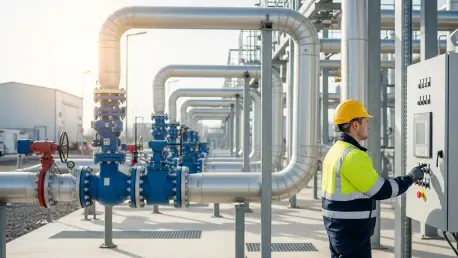
One of the most compelling arguments for the rapid expansion of biomethane is its ability to utilize trillions of dollars of existing gas infrastructure. Unlike the transition to a hydrogen economy, which would require entirely new pipelines, storage tanks, and specialized burners, biomethane is a “plug-and-play” solution. It can be injected into the current gas grid and blended with conventional natural gas in any proportion, allowing for a gradual and cost-effective decarbonization process. This infrastructure readiness is particularly valuable for heating buildings and powering industrial processes that are already connected to gas networks. By simply swapping the source of the molecules rather than the delivery system, governments and utilities can achieve significant emissions reductions with minimal disruption to consumers and without the massive capital expenditure associated with total electrification.
In addition to residential heating, biomethane is proving to be a decisive tool for cleaning up heavy industry and long-haul transportation. Certain industrial sectors, such as steel manufacturing, glass production, and chemical processing, require high-intensity thermal energy that is currently difficult and expensive to provide with electricity alone. Biomethane provides the necessary heat density while maintaining the operational characteristics required for these precision-heavy processes. Similarly, in the transport sector, biomethane is gaining traction as a primary fuel for heavy-duty trucks and shipping vessels where battery weight and charging times present significant logistical hurdles. Compressed or liquefied biomethane offers a high energy-to-weight ratio, enabling long-distance transport with lower tailpipe emissions. This strategic role ensures that even the most difficult-to-abate sectors have a viable path toward net-zero alignment without sacrificing productivity or economic viability.
Enhancing Domestic Energy Security: Sovereignty through Waste
The shift toward biomethane production offers a unique opportunity for nations to strengthen their domestic energy security by reducing dependence on imported fossil fuels. In an era where global energy markets are frequently disrupted by geopolitical tensions and supply chain vulnerabilities, the ability to generate fuel from local waste sources provides a much-needed layer of stability. By sourcing energy from municipal centers and rural agricultural heartlands, countries can create a decentralized energy supply that is less susceptible to international price shocks or pipeline interruptions. This localized approach to energy production transforms what were once environmental liabilities into strategic domestic assets, ensuring that a significant portion of the national energy mix remains under local control and is shielded from external volatility.
Furthermore, the development of a robust biomethane industry stimulates economic growth within local communities, particularly in rural and agricultural regions. The construction and operation of anaerobic digesters and upgrading plants create high-skilled jobs in engineering, biotechnology, and logistics. Because the feedstock—manure, food waste, and agricultural scraps—is bulky and expensive to transport over long distances, production facilities are typically located near the source of the waste. This geographic distribution ensures that the economic benefits of the energy transition are shared broadly across the country, rather than being concentrated in a few industrial hubs. By investing in biomethane, governments can revitalize rural economies while simultaneously building a more resilient and self-sufficient energy system that utilizes every available resource within its borders to power the national economy.
Ecological and Economic Circularity
Environmental Benefits: Beyond Simple Carbon Reductions
While the reduction of carbon dioxide emissions is the most cited benefit of biomethane, its environmental impact extends much further through the active mitigation of methane leakage. Methane is a greenhouse gas with a global warming potential many times higher than that of carbon dioxide over a twenty-year period. When organic waste is left to rot in landfills or stored in open manure lagoons, it releases methane directly into the atmosphere, contributing significantly to short-term climate warming. By capturing this gas in a controlled environment and refining it into fuel, the biomethane industry effectively turns a major environmental threat into a clean energy source. In many cases, the lifecycle emissions of biomethane are actually negative, meaning that the process removes more greenhouse gas equivalents from the environment than are released during its combustion.
The ecological circularity of biomethane is further reinforced by the sustainable management of its primary byproduct, the nutrient-rich digestate. This material provides an essential link back to the agricultural sector, replacing synthetic, fossil-fuel-based fertilizers that are both carbon-intensive to produce and prone to leaching into waterways. By returning organic matter and vital nutrients to the soil, digestate helps improve soil structure, water retention, and microbial health, which are all critical for long-term food security and climate resilience. Furthermore, the carbon dioxide captured during the biogas upgrading process can be purified and sold for industrial use in the food and beverage industry or used in greenhouses to accelerate plant growth. This multi-layered approach to resource recovery ensures that every component of the waste stream is utilized, embodying the principles of a true circular economy where nothing is wasted and every output becomes a valuable input for another process.
Strategic Synergy: Biomethane and Carbon Capture Integration
As the technology matures through 2026, the integration of biomethane production with carbon capture and storage or utilization (CCS/U) is becoming a focal point for achieving deep decarbonization. During the upgrading phase, carbon dioxide is separated from the methane at high concentrations, providing a relatively low-cost source of CO2 for sequestration or industrial reuse. When this biogenic carbon dioxide is permanently stored underground, the entire process results in “negative emissions,” effectively pulling carbon out of the natural cycle and locking it away. This capability is essential for balancing the emissions of sectors where total decarbonization remains technically impossible. This synergy transforms biomethane plants into carbon sinks, significantly enhancing their value in a global economy that is increasingly pricing carbon and rewarding net-negative technologies.
Moreover, this integration supports the development of a broader “bio-economy” where energy production is intertwined with industrial innovation. The high-purity carbon dioxide recovered from biomethane upgrading is increasingly used in the production of synthetic fuels and building materials. For instance, some facilities are now experimenting with using the recovered CO2 in the curing process of concrete, which permanently traps the gas within the structure of buildings. Others are exploring its use in the creation of sustainable aviation fuels (SAF) through power-to-gas applications. These diverse pathways for carbon utilization demonstrate that biomethane is not just a standalone fuel but a versatile platform for a wide range of green technologies. By maximizing the utility of both the methane and the carbon dioxide, the industry is setting a new standard for resource efficiency and environmental stewardship in the modern era.
Global Adoption and Policy Frameworks
Regional Market Trends: Driving Growth through Regulation
The global expansion of the biomethane sector is currently being accelerated by aggressive policy interventions and regional energy strategies designed to move away from fossil gas. In Europe, the REPowerEU plan has established ambitious targets to scale up biomethane production to 35 billion cubic meters by the end of the decade. This push is motivated by a dual desire to achieve climate neutrality and to secure energy independence from external suppliers. European governments are streamlining permitting processes for new digesters and providing financial guarantees to attract the private capital necessary for large-scale infrastructure projects. These policies are creating a predictable market environment that encourages long-term investment, allowing the industry to transition from a collection of small-scale pilots to a major pillar of the continental energy grid.
In North America, the growth of the biomethane market is largely driven by market-based mechanisms such as the Low Carbon Fuel Standard (LCFS) in California and similar programs emerging in other states and provinces. these frameworks assign a carbon intensity score to different fuels, with biomethane often receiving the lowest (and sometimes negative) scores due to its methane-capture benefits. This creates a high market value for the gas when used in the transportation sector, particularly for municipal bus fleets and heavy-duty logistics companies. While the regulatory landscape remains a patchwork of different rules, the underlying trend is toward greater standardization and higher incentives for low-carbon fuels. Experts agree that maintaining these financial structures and simplifying the grid-injection protocols will be essential for ensuring that the supply of renewable gas can keep pace with the rapidly growing demand from corporate and government buyers.
Strategic Planning: Aligning Policy with Resource Availability
As the industry matures, strategic planning is becoming more sophisticated to ensure that biomethane is used where it provides the greatest environmental and economic value. Policymakers are increasingly recognizing that while biomethane is a powerful tool, the supply of sustainable organic waste is finite. Consequently, there is a growing emphasis on prioritizing its use in “hard-to-electrify” sectors rather than for general power generation, where wind and solar are more cost-effective. This targeted approach ensures that the limited supply of renewable gas is directed toward heavy industry and long-haul transport, where alternative solutions are scarce. By aligning policy incentives with the specific technical needs of the economy, governments can maximize the impact of every cubic meter of biomethane produced, ensuring a more efficient transition to a net-zero state.
Furthermore, international cooperation is playing a larger role in standardizing the certification and tracking of biomethane across borders. Systems like “Guarantees of Origin” are being refined to ensure that the environmental benefits of the gas are accurately recorded and that there is no double-counting of carbon credits. These digital tracking systems allow companies to purchase biomethane produced in one region and claim the emission reductions in another, facilitating a global market for renewable energy. This level of transparency is vital for building trust among investors and consumers, ensuring that the biomethane being injected into the grid truly meets the high sustainability standards required for the circular economy. As these regulatory and digital frameworks become more robust through 2026, they provide the necessary foundation for a truly global and transparent renewable gas market.
Overcoming Hurdles and Embracing Innovation
Addressing Economic Challenges: Scaling for Viability
Despite its significant advantages, the biomethane industry faces several economic hurdles that must be addressed to ensure long-term viability. The cost of producing biomethane remains higher than the price of conventional natural gas, primarily due to the logistical challenges of collecting waste and the capital intensity of upgrading facilities. To bridge this price gap, the industry relies on a combination of carbon pricing, feed-in tariffs, and tax incentives. As production scales up and technologies become more standardized, the cost of equipment is expected to fall, much like the cost of solar panels and wind turbines has plummeted over the last decade. Achieving these economies of scale requires a sustained commitment from both the public and private sectors to provide the long-term off-take agreements that give developers the confidence to build larger and more efficient facilities.
Operational challenges, such as the high cost of connecting remote agricultural digesters to the national gas grid, also present a significant barrier to expansion. In many rural areas, the distance to the nearest injection point can make a project economically unfeasible despite a surplus of feedstock. To solve this, some regions are developing “virtual pipelines,” where biomethane is compressed and transported by truck to a central injection hub. Others are focusing on developing small-scale, modular upgrading units that can be deployed more affordably at the farm level. Additionally, the industry must remain vigilant about preventing methane leaks during the production and upgrading stages. Continuous monitoring using advanced satellite imaging and ground-based sensors is becoming standard practice to ensure that the environmental integrity of the fuel is maintained and that every molecule of methane is successfully captured and utilized.
Future Technologies: Innovation and Collaborative Solutions
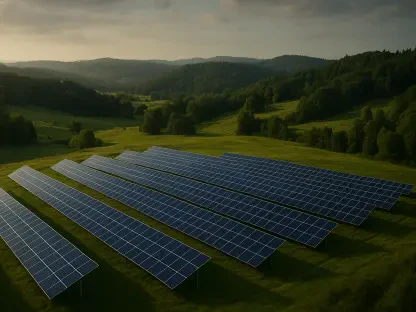
The future of the biomethane sector is being shaped by rapid technological innovation and the integration of artificial intelligence into plant operations. AI-driven software is now being used to analyze feedstock composition in real-time, allowing operators to adjust the digestion process to maximize gas yields and minimize waste. These digital tools can predict maintenance needs before failures occur, reducing downtime and improving the overall profitability of the plant. Furthermore, new “energy hubs” are being designed that co-locate biomethane production with other green technologies. For example, a single facility might combine an anaerobic digester with a solar array and a green hydrogen electrolyzer. In such a setup, the excess oxygen from the electrolyzer can be used to optimize the digestion process, while the waste heat from the digester can be used for district heating or industrial drying.
Looking forward, the relationship between biomethane and hydrogen is evolving from one of competition to one of synergy. While green hydrogen is often seen as the ultimate clean fuel, biomethane is available now and uses existing infrastructure, making it a crucial bridge for the next two decades. Some facilities are already experimenting with “methanation,” a process where green hydrogen is combined with the CO2 captured during biomethane upgrading to create even more methane. This approach essentially recycles the carbon dioxide twice, doubling the energy output from the same original waste source. By embracing these collaborative energy solutions and focusing on continuous innovation, the biomethane industry is positioning itself as a permanent and highly efficient component of the global energy mix. This path forward ensures that biomethane remains a practical, scalable, and essential tool for fueling industry and protecting the climate simultaneously.
Actionable Directions for a Sustainable Gas Future
The successful integration of biomethane into the global energy landscape required a shift from viewing organic waste as a disposal problem to treating it as a high-value feedstock. Moving forward, industrial stakeholders should prioritize the development of regional “resource hubs” that consolidate waste processing and energy production to improve logistical efficiency and reduce transportation costs. These hubs allowed for a more centralized approach to grid injection, making it easier to manage the quality and flow of renewable gas into the existing network. Furthermore, the adoption of standardized digital certification systems proved essential for verifying the carbon intensity of biomethane, providing the transparency needed for corporate buyers to confidently invest in renewable gas as part of their sustainability strategies.
Future progress depended heavily on the continued refinement of anaerobic digestion technologies and the exploration of diverse feedstocks, including seaweed and deep-sea organic matter. By diversifying the sources of biogenic methane, the industry avoided the pitfalls of resource scarcity and ensured a steady supply of fuel for hard-to-abate sectors. Strategic investment in research and development facilitated the creation of more efficient upgrading membranes and low-cost carbon capture systems, further enhancing the economic competitiveness of the sector. Ultimately, the transition to a net-zero circular economy was accelerated by the recognition that biomethane offered a unique, infrastructure-ready solution that could be deployed immediately to achieve deep and lasting environmental benefits across the entire global energy system.