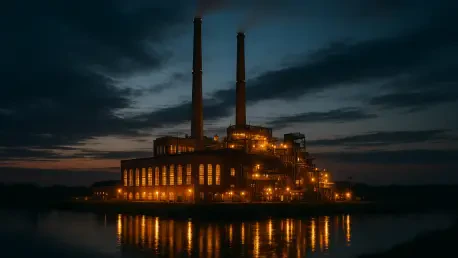

The heavy silence that has blanketed the rural landscape of Linn County for years is about to be shattered by the steady, powerful hum of 615 megawatts of clean energy returning to the local power grid. This transformation marks a definitive pivot for the Duane Arnold Energy Center, a facility that many observers once thought was lost to history. Shuttered in 2020 by a derecho and market shifts, the plant now anchors Iowa’s 2029 energy strategy. The transition from a decommissioned relic to a high-tech powerhouse is fueled by the massive global demand for artificial intelligence processing.
A Relatable Shift in the Heartland’s Power Grid
As the world moves toward more intensive computing, the value of a pre-existing nuclear site has increased exponentially. Rather than allowing the facility to sit idle, regional leaders are now integrating the facility into a network that supports both residents and industrial players. This shift reflects a changing Midwestern identity where traditional roots and advanced technology coexist through shared infrastructure. Iowa’s strategy for 2029 recognizes that energy independence requires creating headroom for future growth.
By reviving Duane Arnold, the state positions itself as a leader in providing carbon-free baseload power. The hum of the turbines will serve as a constant reminder that the heartland remains a vital player in the national energy landscape, adapting its assets to meet the needs of a rapidly evolving digital economy. This effort represents a bold move to reclaim existing infrastructure for a new era of productivity and reliability.
The Intersection of Silicon Valley Needs and Midwestern Infrastructure
The resurgence of this asset is directly linked to the “Hyperscaler” effect, specifically Google’s data center expansion. These massive server farms require energy reliability that intermittent renewable sources cannot always guarantee. A deal with a tech giant ensures a consistent revenue stream while providing the carbon-free electricity needed for sustainability goals. This partnership illustrates how Silicon Valley capital is breathing life into dormant Midwestern industrial sites.
However, the grid faces a task in balancing these requirements with reliable service for the general public. Federal energy policy ensures this balance through the “Ratepayer Protection Pledge,” mandating that financial risks do not fall on local families. This project serves as a litmus test for whether large tech companies can fund the grid expansion they require without negatively impacting the affordability of electricity for residential users.
Breaking Down the $1.9 Billion Restart and Its Economic Ripples
The $1.9 billion DOE loan is designed with safeguards to protect the public. Unlike a grant, this loan must be repaid with interest, ensuring the federal government acts as a strategic investor. This approach allows the project to move forward with the necessary capital while maintaining fiscal accountability. The infusion of capital is expected to catalyze a local revival, providing high-paying jobs and tax revenue to support Linn County for 25 years.
The project is projected to generate a $9 billion windfall in economic benefits. This mirrors the precedent set by Constellation Energy’s deal with Microsoft to revive the Crane nuclear plant at Three Mile Island. Such agreements highlight a growing consensus that nuclear energy is the viable path toward achieving carbon reduction goals while supporting the power-hungry industrial growth required for modern technological development.
Industry Perspectives and the High Stakes of Utility Consolidation
NextEra Energy frames the restart as part of a vision to meet unprecedented electricity demand. The company is actively pursuing infrastructure redevelopment, recognizing that the window for expanding the American grid is closing as demand soars. This posture includes an acquisition strategy, notably the move toward Dominion Energy, which would create a utility behemoth with a 130-gigawatt development pipeline.
Analysts are watching this consolidation, as it represents a shift in how regulated utilities operate. While a larger entity has the resources for massive projects, it raises questions about market competition. Critics worry that consolidation could lead to higher prices for residential customers. Regulators must ensure that utility growth does not come at the expense of the average consumer.
Navigating the Path to 2029: Implementation and Oversight
The technical roadmap for bringing a dormant nuclear plant back online is complex, particularly after four years of inactivity. Engineers must conduct exhaustive inspections of the reactor vessel and cooling systems to ensure every component meets safety standards. This rehabilitation involves repairing past damage and upgrading systems to withstand future climate-related challenges and cybersecurity threats.
The Nuclear Regulatory Commission will maintain oversight through a multi-year inspection process to ensure public trust. Safety will be the priority, with numerous regulatory hurdles designed to prevent any compromise in operational integrity. Other states are watching Iowa’s progress, viewing the Duane Arnold project as a potential model for leveraging federal loans and private demand to achieve energy security.
The transition toward a more robust energy framework demanded a careful balancing of economic incentives and regulatory rigor. Authorities recognized that the success of the restart depended on the seamless integration of legacy hardware with contemporary requirements. This project suggested that a collaborative approach between federal agencies and private enterprise offered the most sustainable solution for the grid. Industry professionals concluded that the lessons learned from this endeavor would guide subsequent energy policies throughout the country.