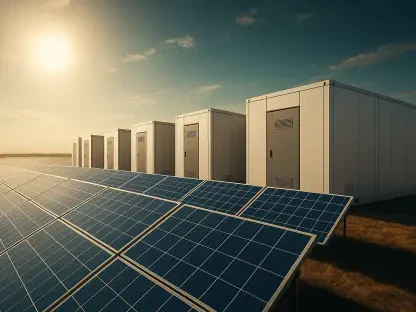

Integrating battery storage with strategically oriented panels represents the next level of efficiency for managing peak demand and potential outages. As residential energy systems evolve, the long-standing dogma of south-facing solar arrays is undergoing rigorous scrutiny. While the Northern Hemisphere has traditionally prioritized southern exposure to capture the maximum amount of sunlight over the course of a calendar year, this localized focus often ignores the reality of peak utility costs. In regions where cooling loads dominate household expenses, the goal of solar installation is shifting from raw energy volume to financial optimization through peak-shaving strategies. This transition requires a deeper understanding of how seasonal solar paths interact with specific architectural features and regional temperature profiles. By analyzing the intersection of utility rate structures and solar production curves, homeowners are discovering that unconventional placement can sometimes offer superior economic benefits.
Rethinking Traditional Solar Geometry
The Influence: Geographic Latitude and Seasonal Paths
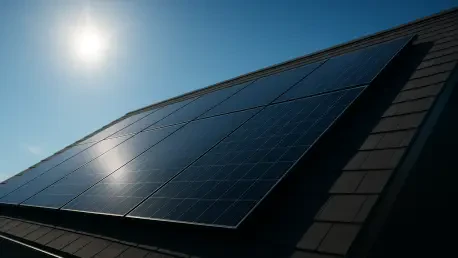
Sunlight reaches different angles based on a home’s distance from the equator, and at lower latitudes like 33.4 degrees north in Phoenix, the sun’s trajectory during the summer solstice brings it nearly overhead. This high solar altitude allows sunlight to illuminate the northern slopes of a roof more directly than one might expect. In such environments, a north-facing roof section can become a productive asset rather than a wasted surface. Technical assessments show that when a northern roof plane offers more square footage—allowing for an array of nine panels instead of eight on a smaller southern face—the larger northern system can actually outperform the southern one during the hottest months. This specific phenomenon highlights the importance of evaluating a site’s unique footprint rather than adhering to generalized guidelines. For residents in the Sun Belt, leveraging these high-angle summer rays provides a crucial advantage when electricity demand for air conditioning is at its highest point.
Comparative Analysis: Winter Versus Summer Performance
Conversely, the viability of north-facing panels diminishes significantly as one moves toward higher latitudes where the sun remains lower in the sky throughout the year. In states like Massachusetts or Washington, the steep angle required for the sun to reach a northern roof slope is rarely achieved, making south-facing installations the undisputed champion for energy production. The divergence in these results emphasizes that solar geometry is not a static field but a dynamic interaction between location and timing. While total annual yield is typically higher for south-facing arrays because they capture more light during the winter and shoulder seasons, the specific needs of a household might prioritize summer performance. When the primary financial burden stems from triple-digit temperatures and constant cooling, the slightly lower annual efficiency of a northern array is often outweighed by its ability to generate power exactly when it is most needed. This realization is driving a move toward more personalized energy modeling.
Strategic Implementation: Beyond Southern Exposure
Load Matching: Aligning Production with Consumption
Energy consumption patterns are rarely uniform, and the best direction for solar panels depends heavily on when a household consumes the most power. For many families, the late afternoon period represents a significant spike in usage as people return home and domestic cooling systems work harder to counteract the day’s accumulated heat. This is where the limitations of a purely south-facing system become apparent, as its production begins to taper off just as demand reaches its crescendo. By incorporating east or west-facing panels alongside or even in place of southern ones, homeowners can extend their production window to better align with these expensive peak hours. This tailored approach moves beyond the simple metric of kilowatt-hours produced per year and instead focuses on the value of each kilowatt-hour relative to utility pricing. Modern analytical tools now allow installers to simulate these specific usage scenarios with high precision, ensuring that the final system design addresses the most significant portions of a utility bill.
System Resilience: Practical Outcomes and Future Considerations
Ultimately, the shift toward customized solar orientation demonstrated that the path to energy independence was paved with local insights rather than universal rules. Professionals in the field began recommending comprehensive site audits that accounted for roof geometry, local climate stressors, and historical energy usage to determine the ideal configuration for each specific residence. These actionable steps allowed consumers to bypass the limitations of standard designs and implement solutions that addressed their unique environmental and economic challenges. As the industry progressed from 2026 toward 2028, the emphasis remained on creating resilient systems that could withstand fluctuating energy prices and climate-driven demand spikes. The transition toward strategic orientation combined with advanced storage technology solidified a new standard for residential solar. This holistic view ensured that every square foot of roof space was utilized to its fullest potential, effectively transforming how households interacted with the sun’s energy.