
The transaction highlights a broader industry trend where energy companies prioritize the acquisition of proven brownfield assets over the risks of new greenfield development projects. As the demand for reliable electricity reaches new heights in the current 2026 landscape, the announcement that Constellation Energy has entered a definitive agreement to acquire the Rhode Island State Energy Center (RISEC) serves as a definitive marker for the sector. By purchasing 100% of this facility from Shell Energy North America for a total of $715 million, Constellation is expanding its footprint in the ISO New England market. This region has become a focal point for energy security discussions due to its unique geographical constraints and evolving consumption patterns. The strategic logic behind this move rests on the ability to integrate a high-performing, dispatchable asset into a merchant generation fleet that is already serving a diverse and growing customer base while maintaining financial discipline.
Technical Infrastructure: Enhancing Regional Power Dynamics
Combined-Cycle Technology: Driving Operational Efficiency
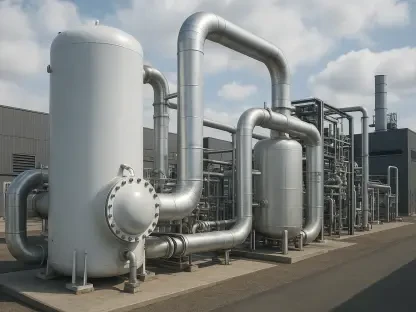
The Rhode Island State Energy Center is a 609-megawatt power plant that has served as a cornerstone of the New England energy grid since its inception. Unlike older, less efficient simple-cycle plants that are often retired in the modern era, RISEC utilizes a sophisticated combined-cycle natural gas configuration. This system employs two advanced combustion turbines and one steam turbine, where waste heat from the initial generation phase is captured and reused to produce additional electricity. This technical setup ensures that the facility operates with a significantly lower carbon footprint per megawatt-hour than traditional fossil fuel alternatives. By utilizing every unit of energy more effectively, the plant minimizes fuel consumption while maximizing output, which is essential for meeting the stringent environmental standards of 2026. This high level of thermal efficiency translates directly into lower operational costs and a more sustainable profile for the regional grid.
Beyond its mechanical efficiency, the dispatchability of the RISEC facility provides an essential layer of flexibility that intermittent renewable sources simply cannot offer. In a market where solar and wind are expanding rapidly, the ability to ramp power generation up or down in response to real-time demand fluctuations is the primary defense against grid instability. The facility is designed to support the base load while remaining agile enough to handle the sudden spikes in consumption often seen during extreme weather events. This capability is not just a technical advantage but a market necessity, as it allows Constellation to provide a reliable source of electricity when other forms of generation are unavailable. By integrating this asset into its portfolio, the company ensures that it can fulfill its commitments to wholesale and retail customers throughout the region, effectively bridging the gap between traditional fossil fuel dependency and the volatile nature of a green energy future.
Strategic Location: Ensuring Seamless Grid Connectivity
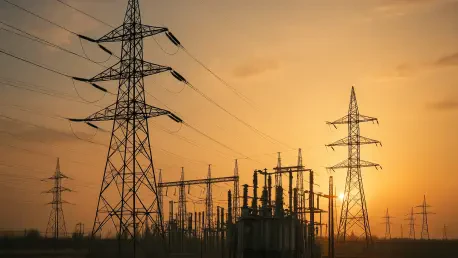
Located in Johnston, Rhode Island, the facility enjoys a prime geographic position that provides direct access to major electrical load centers and critical natural gas pipeline infrastructure. This proximity is vital for maintaining the balance of supply and demand in a densely populated region where energy transmission can often face significant bottlenecks. For over two decades, the plant has established a consistent track record of reliability, selling both energy and capacity into the competitive market, which makes it a low-risk addition to the existing portfolio. The facility’s connection to the ISO New England system is particularly valuable because it allows for the rapid distribution of power to the areas that need it most. This strategic positioning reduces the line losses associated with long-distance transmission and ensures that the power generated at RISEC can be delivered efficiently to industrial hubs and residential centers, supporting the overall resilience of the regional infrastructure.
The asset’s long-standing operational history in the Johnston area has also fostered a deep level of integration with local energy networks, which is difficult for new developments to replicate. Direct access to the regional natural gas pipeline system ensures a steady fuel supply, even during periods of high regional demand for heating and industrial processes. This logistical advantage is coupled with an established workforce and a facility that has already undergone the rigorous environmental and safety reviews required for large-scale energy production. By focusing on such a well-positioned brownfield asset, Constellation avoids the lengthy and often uncertain permitting processes that typically plague new greenfield projects in the 2026 energy landscape. This established connectivity not only secures the plant’s role in the current market but also positions it as a critical hub for future energy initiatives that may require high-capacity grid access and reliable fuel infrastructure to meet the region’s growing needs.
Financial Strategy: Balancing Growth and Shareholder Value
Capital Allocation: Optimizing Tax Incentives and Earnings
While the headline acquisition price is set at $715 million, the effective net cost for Constellation is projected to be closer to $580 million after accounting for approximately $135 million in first-year tax benefits. This reduces the investment to roughly $952,000 per megawatt of capacity, a highly competitive rate within the current industry landscape where the cost of building new infrastructure has risen sharply. The company has indicated that the purchase will be immediately accretive to operating earnings, meaning the plant will generate a return that exceeds the cost of acquisition and financing from the very outset. This focus on immediate financial performance highlights a disciplined approach to capital allocation, ensuring that each dollar invested contributes to the bottom line without a lengthy gestation period. Such financial engineering is characteristic of the 2026 energy sector, where companies must balance the high capital requirements of grid maintenance with the need to provide consistent value to their investors.
A standout feature of this acquisition is that it does not disrupt Constellation’s commitment to its shareholders regarding their capital return programs. The company confirmed that the $715 million expenditure will not interfere with its previously authorized $5 billion share repurchase program, which remains scheduled for completion through 2027. This demonstrates a robust balance sheet capable of pursuing aggressive growth through strategic acquisitions while simultaneously returning substantial capital to investors. By using its strong cash flow and tax-efficient structures, Constellation is proving that a major utility can expand its physical footprint without diluting the value provided to its existing stockholders. This dual-track strategy—investing in reliable assets while maintaining high levels of shareholder compensation—is a testament to the company’s operational strength and its ability to navigate the complex financial waters of the modern power market. It sets a benchmark for others to follow in balancing expansion with fiscal responsibility.
Strategic Stewardship: Securing Reliability in a Digital Economy
The rising demand for electricity driven by the expansion of data centers, artificial intelligence infrastructure, and the general electrification of the economy has placed a premium on reliable generation. These high-intensity users require consistent, 24/7 power that can support advanced computing and critical services without the risk of downtime. Combined-cycle gas plants like the Rhode Island State Energy Center are uniquely positioned to provide this stability, acting as a bridge to a lower-carbon future while meeting the urgent needs of the digital age. By securing a 609-megawatt asset that is already operational and integrated into the grid, Constellation is effectively future-proofing its portfolio against the increasing volatility of the modern energy market. This foresight ensures that the company remains the preferred partner for large-scale technology firms and industrial users who cannot afford to rely solely on intermittent sources. The acquisition is a clear signal that reliable infrastructure is the bedrock of the ongoing technological revolution.
The acquisition of the Rhode Island State Energy Center ultimately reinforced Constellation’s position as a dominant force in the American power market. By integrating this efficient, dispatchable asset, the company successfully bridged the gap between immediate financial performance and long-term grid stewardship. The transition plan focused on maintaining the existing professional workforce in Johnston, ensuring that operational knowledge and safety standards remained intact throughout the change of ownership. Moving forward, the industry should view this transaction as a blueprint for how to secure regional reliability through the strategic management of established brownfield assets. It proved that well-timed investments in high-quality infrastructure could coexist with aggressive shareholder return goals. As the 2026 energy landscape continued to evolve, this deal provided the necessary capacity to support both emerging digital technologies and traditional residential needs. Leaders were encouraged to prioritize similar flexible assets to navigate the complexities of a transitioning grid efficiently.