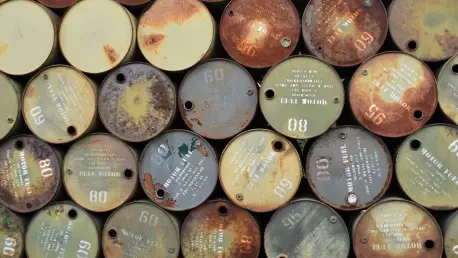

Denmark’s updated strategy ensures that the dismantling of the Risø Nuclear Station will be supported by a secure, permanent infrastructure for radioactive materials. For decades, the nation maintained a complex relationship with nuclear technology, famously banning atomic power in 1985 while simultaneously operating research facilities that generated significant legacy waste. The Risø facility, which began its journey in 1958, stands as the primary source of this material, requiring a sophisticated decommissioning process that has now reached a critical juncture. By pivoting from temporary storage solutions to a defined roadmap for permanent disposal, the government is addressing an environmental obligation that has remained in a state of relative stagnation for over forty years. This move is particularly timely as the country began exploring new nuclear construction initiatives in 2025, suggesting a broader re-evaluation of its energy landscape. The strategy provides a necessary bridge between historical liabilities and future ambitions.
Strategic Milestones for the Permanent Repository
The roadmap introduced by Danish Decommissioning outlines a structured approach to solving the waste dilemma without prematurely locking in specific technical sites. Starting in 2027, the focus will shift toward specialized staffing and preparatory logistics to manage the transition from interim oversight to permanent facility management. This phased approach allows for a rigorous selection process, ensuring that the chosen geological location meets the highest standards for long-term safety and containment. Construction of the permanent repository is slated to commence in 2031, marking the beginning of a multi-decade operational phase designed to isolate waste for thousands of years. This timeline reflects a sophisticated understanding of the engineering challenges involved in deep geological disposal. By setting these concrete markers, Denmark provides certainty to stakeholders regarding the ultimate fate of radioactive materials currently housed at temporary sites. This structured predictability is essential for maintaining trust.
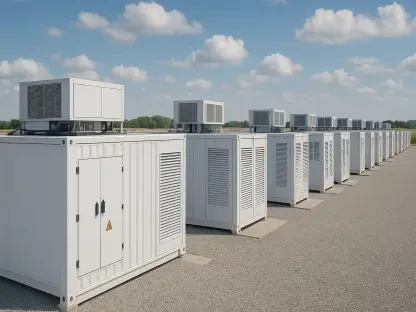
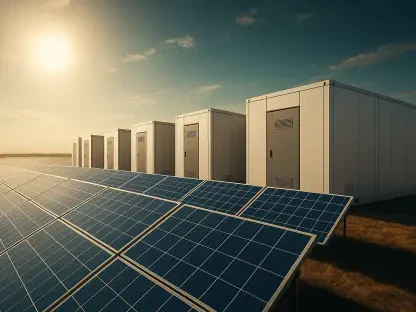
While the permanent repository remains the ultimate goal, the immediate priority involves the management of the current waste inventory through the New Upgraded Storage Facilities, known as NOL. These structures are specifically engineered to withstand environmental pressures, including potential flooding and extreme weather events, ensuring that the waste remains secure until the subterranean facility is ready. This interim phase is not merely a holding pattern; it involves the continuous monitoring and reprocessing of materials derived from the Risø site as well as from medical and industrial applications. The integration of advanced monitoring technology within these upgraded units provides a data-driven foundation for understanding how materials age and interact over time. By investing in flood-resistant and high-security interim storage now, the Danish authorities are mitigating the risks associated with the waiting period before the 2031 construction begins. This dual-track strategy ensures that safety is prioritized in the short term.
Global Alignment and Future Implementation Standards
The Danish strategy does not exist in a vacuum but rather aligns with a significant global trend toward deep geological repositories as the standard for high-level waste management. Regional neighbors like Finland and Sweden have already set high benchmarks for success. Finland’s Onkalo repository is nearing its operational debut in 2027, serving as the first facility of its kind to demonstrate the viability of long-term subterranean containment. Meanwhile, Sweden has recently initiated work on its Forsmark site, which is projected to begin accepting materials in the early 2030s. These projects provide invaluable blueprints for Denmark, offering technical insights into rock mechanics and bentonite clay sealing methods. Observing the progress in these nations allows Danish engineers to adapt proven methodologies to their specific geological context. This regional cooperation fosters a shared understanding that permanent disposal is an ethical and environmental necessity for any modern state that has utilized nuclear technology.
In establishing this comprehensive framework, Danish authorities prioritized the harmonization of domestic safety protocols with international engineering excellence. The successful implementation of the 2027 staffing phase required a focus on specialized workforce development and multidisciplinary expertise. By moving beyond the initial proposal stage, the government effectively addressed the technical gaps between interim storage and geological finality. Leaders recognized that securing the nuclear fuel cycle was a non-negotiable step for any nation looking to integrate advanced energy technologies into their grid. The process moved from theoretical debate to concrete action by emphasizing transparency and data-driven site selection criteria. This approach suggested that the future of waste management must involve a proactive engagement with geological sciences rather than a reliance on temporary fixes. Ultimately, the focus transitioned toward creating a self-sustaining infrastructure that minimized environmental footprints.