
Professional training in the handling of compressed and liquefied gases is a critical bottleneck for the growth of the United Kingdom’s biomethane supply chain. As heavy goods vehicle operators grapple with stringent decarbonization targets in 2026, the reliance on anaerobic digestion plants has intensified, revealing deep-seated logistical challenges. While the ultimate goal remains a zero-emission transport sector, the immediate necessity of reducing carbon footprints by nearly 85 percent has pushed biomethane to the forefront of the national energy strategy. This renewable gas is not merely a stopgap but a vital component of a circular economy, yet the transition is hampered by a lack of specialized personnel and the high capital expenditure required for virtual pipeline systems. AD Fuels has pioneered the movement of compressed and liquefied gas from rural production sites to urban injection points, demonstrating that the technology for a cleaner fleet is already available for deployment today. The current infrastructure, while expanding, requires a more unified approach to bridge the gap between regional production and the national demand for sustainable fuel.
Policy Alignment: Bridging the Gap Between Ambition and Reality
A significant point of friction remains the disconnect between ambitious government mandates for zero-emission vehicles and the current technological maturity of heavy-duty transport solutions. Policymakers often emphasize battery-electric or hydrogen fuel cell trucks, yet for many logistics firms, these platforms remain prohibitively expensive or lack the necessary range for long-haul operations. This regulatory focus inadvertently forces many operators to maintain their existing diesel fleets rather than transitioning to immediate, low-carbon alternatives like biomethane. Unlike the nascent charging infrastructure for electric HGVs, the network for gas-powered transport has matured significantly over the past few years, with new injection facilities opening in key hubs like Doncaster and Banbury. By incentivizing the adoption of Bio-CNG and Bio-LNG, the government could secure rapid emissions reductions while waiting for zero-tailpipe technologies to achieve commercial scale. This requires a shift in perspective where gas is viewed as a primary facilitator of the green transition rather than a secondary option.
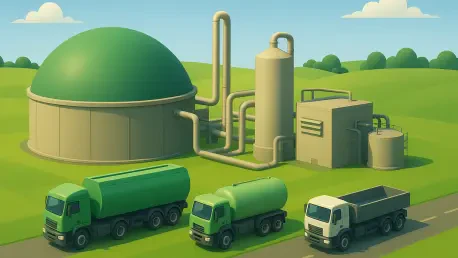
The operational backbone of this transition is the virtual pipeline, a complex logistical network that transports renewable gas from anaerobic digestion facilities to the national grid. Managing these mobile pipelines requires sophisticated equipment and precise scheduling to ensure that the gas produced in decentralized rural areas reaches high-demand injection points or end-users efficiently. The current landscape in 2026 shows that while the physical infrastructure for gas injection is expanding, the financial frameworks supporting it remain precarious. Short-term tariff structures often fail to provide the long-term certainty that private haulers need to invest in specialized cryogenic trailers and high-pressure compression units. This uncertainty creates a hurdle for smaller operators who might otherwise contribute to the decentralized energy network, leaving the burden of innovation to a handful of industry leaders willing to take significant financial risks. Stabilization of these tariffs is essential to encourage the broad investment required to meet national carbon reduction targets through the end of the decade.
Strategic Logistics: Workforce Development and Technical Integration
To mitigate the ongoing shortage of qualified technical personnel, industry leaders have moved beyond traditional haulage models to create integrated support ecosystems. The launch of specialized subsidiaries like Elephas highlights a shift toward providing comprehensive services, including HGV maintenance and ADR-certified dangerous goods training tailored specifically for the gas sector. This approach addresses the reality that moving biomethane is far more complex than standard freight, requiring drivers who understand the physics of liquefied gases and the safety protocols of high-pressure systems. By internalizing these training programs, companies are securing their own talent pipelines while offering external support to the wider industry. This diversification not only stabilizes the workforce but also ensures that the maintenance of specialized equipment is handled by technicians who possess deep expertise in the unique wear-and-tear profiles of alternative fuel systems. Cultivating this niche expertise is the only way to ensure the long-term safety and reliability of the gas supply chain.
The path toward a decarbonized logistics sector was paved by the strategic integration of biomethane, which proved that immediate climate action did not have to wait for future breakthroughs. Stakeholders recognized that a diversified approach—incorporating Bio-LNG, Bio-CNG, and green hydrogen—provided the most robust defense against the limitations of current battery technology. Success depended on a shift from viewing haulage as a simple commodity to treating it as a specialized branch of the energy industry. To maintain this momentum, it was essential for the government to provide long-term fiscal clarity and support for vocational training programs that addressed the niche requirements of gas logistics. By focusing on actionable steps like expanding virtual pipeline capabilities and investing in high-pressure gas technician certification, the industry established a clear roadmap for 2027 and beyond. This evolution transformed the United Kingdom’s heavy transport into a model for pragmatic, science-led decarbonization that balanced economic viability with urgent environmental necessity.